Detail Berita
Eat Smart, Study Strong: The Role of Balanced Nutrition in Supporting Students’ Focus, Health, and Academic Achievement

Isi Artikel
Balikpapan – Optimal academic achievement is influenced not only by learning methods and study discipline, but also by factors that are often overlooked by students, one of which is a healthy and balanced diet. Busy academic schedules, organizational activities, and limited time and budget frequently lead students to neglect the quality of their daily food intake. In fact, balanced nutrition plays a strategic role in maintaining concentration, physical stamina, and overall immunity.
Balanced Nutrition as the Foundation of Academic Activities
Balanced nutrition refers to a daily dietary pattern that contains complete nutrients, including carbohydrates, proteins, fats, vitamins, minerals, and water, in types and amounts appropriate to the body’s needs. This concept does not emphasize expensive food choices, but rather the right combination and proportion of nutrients.
In general, students with moderate activity levels require approximately 2,000–2,500 kcal per day, which can be fulfilled through regular meals and a diverse selection of food sources.
The Role of Nutrients in Concentration and Cognitive Performance
Each nutrient plays an essential and complementary role:
- Carbohydrates serve as the main source of energy for the brain. Insufficient intake may lead to fatigue and reduced concentration.
- Proteins support the formation and repair of body cells, including brain cells and neural tissues.
- Fats function as energy reserves and protect the nervous system.
- Vitamins and minerals assist metabolic processes and help maintain optimal cognitive function.
- Water is crucial for sustaining focus and preventing dehydration.
A proper balance of all these nutrients is key for students to perform academic activities effectively.
Vitamins and Minerals: Supporting Brain Function and Immunity
Several micronutrients play a significant role in students’ health. Vitamin B complex supports brain function, nerve health, and memory. Vitamin C strengthens the immune system, while vitamin A is essential for maintaining eye health, especially in the era of digital learning. In addition, vitamin D and calcium support bone health, and iron helps prevent anemia, which can negatively affect stamina and concentration.
Understanding Fresh and Processed Foods Wisely
Fresh foods generally contain more complete and natural nutrients. Meanwhile, processed foods undergo treatments that may alter nutrient structures. However, not all processed foods have low nutritional value. Certain processes, such as fermentation, can actually enhance nutrient availability. Nevertheless, some nutrients particularly heat sensitive vitamins may decrease during processing.
Fortification and Biofortification as Strategies to Improve Nutrition
Efforts to enhance food nutritional quality include fortification and biofortification. Fortification involves adding nutrients during food processing, such as milk enriched with calcium, protein, DHA, and EPA. Biofortification, on the other hand, is applied during cultivation, for example beta-carotene-rich maize, orange-fleshed sweet potatoes, and omega-3 eggs. Both approaches play an important role in helping communities, including students, meet their nutritional needs.
Local Foods as Affordable Sources of Balanced Nutrition
Indonesia is rich in local food resources with high nutritional value that are easily accessible to students. Tubers such as cassava, taro, and sweet potatoes can serve as alternative carbohydrate sources. Tempeh, tofu, and legumes are affordable plant-based protein sources, while eggs and fish provide economical animal protein options. Green leafy vegetables and local fruits complete daily vitamin and mineral requirements.
Examples of Balanced Meals for Students
With proper planning, balanced nutrition can be achieved even on a limited budget. One example of a balanced meal costing around IDR 15,000–20,000 is nasi pecel or gado-gado, which contains carbohydrates, proteins, fats, and various vitamins and minerals from vegetables.
A simple daily meal plan includes:
- Breakfast: milk and boiled eggs
- Lunch: rice with vegetables and complete side dishes
- Dinner: protein-based dishes such as chicken or fish
Simple Steps to Implement Balanced Nutrition
Students can apply balanced nutrition through simple actions, such as reducing the consumption of ultra processed foods, maintaining regular meal schedules, choosing affordable protein sources, and developing the habit of reading nutrition labels on packaged foods.
Balanced nutrition is not merely a biological necessity, but a long-term investment in human capital quality. Through healthy and well-planned eating habits, students can maintain physical health while enhancing focus and academic performance. Eating smart today is the first step toward building a healthy, productive, and competitive academic generation.
Isi Artikel
Berita Terpopuler
Research and Community Service

Research and Community Service
Tags
University Research CommunityTags
University Research CommunityBerita Terpopuler
Research and Community Service
Research and Community Service
Berita Terbaru
 Achievement
ITK Statistics Students Win Best Infographic Award at MATICS Universitas Hasanuddin
Best Infographic Award at MATICS Universitas Hasanuddin
 Alumni
Dandy Saputra’s Career Journey to Becoming a Site Readiness Supervisor in Upstream Energy
 Research and Community Service
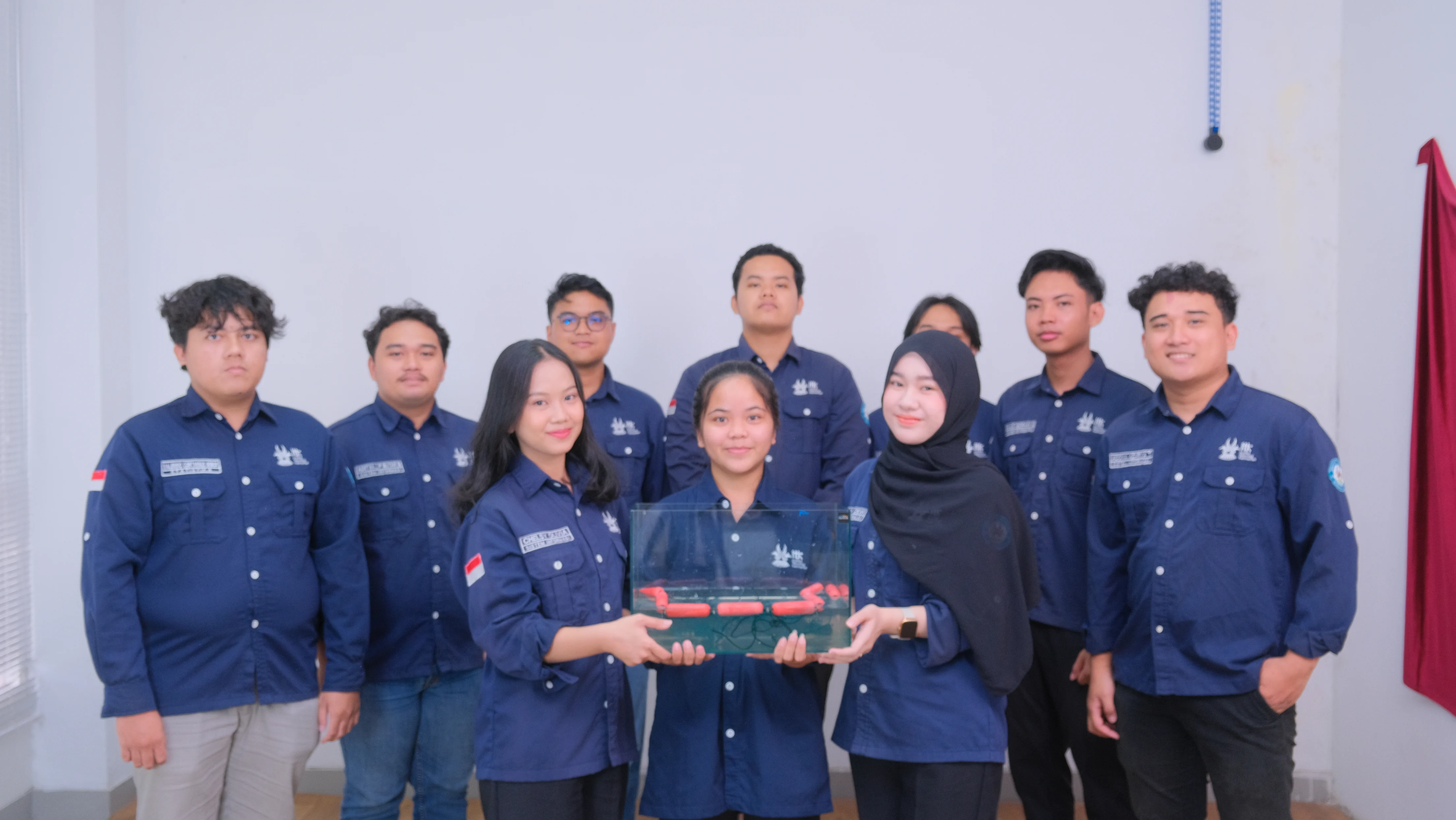
SPI Empowerment-Based Trash Boom: ITK’s Innovation for Sustainable Coastal Waste Management
The SPI empowerment-based Trash Boom program by Institut Teknologi Kalimantan delivers a simple and sustainable innovation to tackle coastal waste through appropriate technology and strengthened coastal community capacity.