Detail Berita
ITK and BRIN Researchers Develop Wells Turbine Technology for Indonesia’s Ocean Wave Energy
Isi Artikel
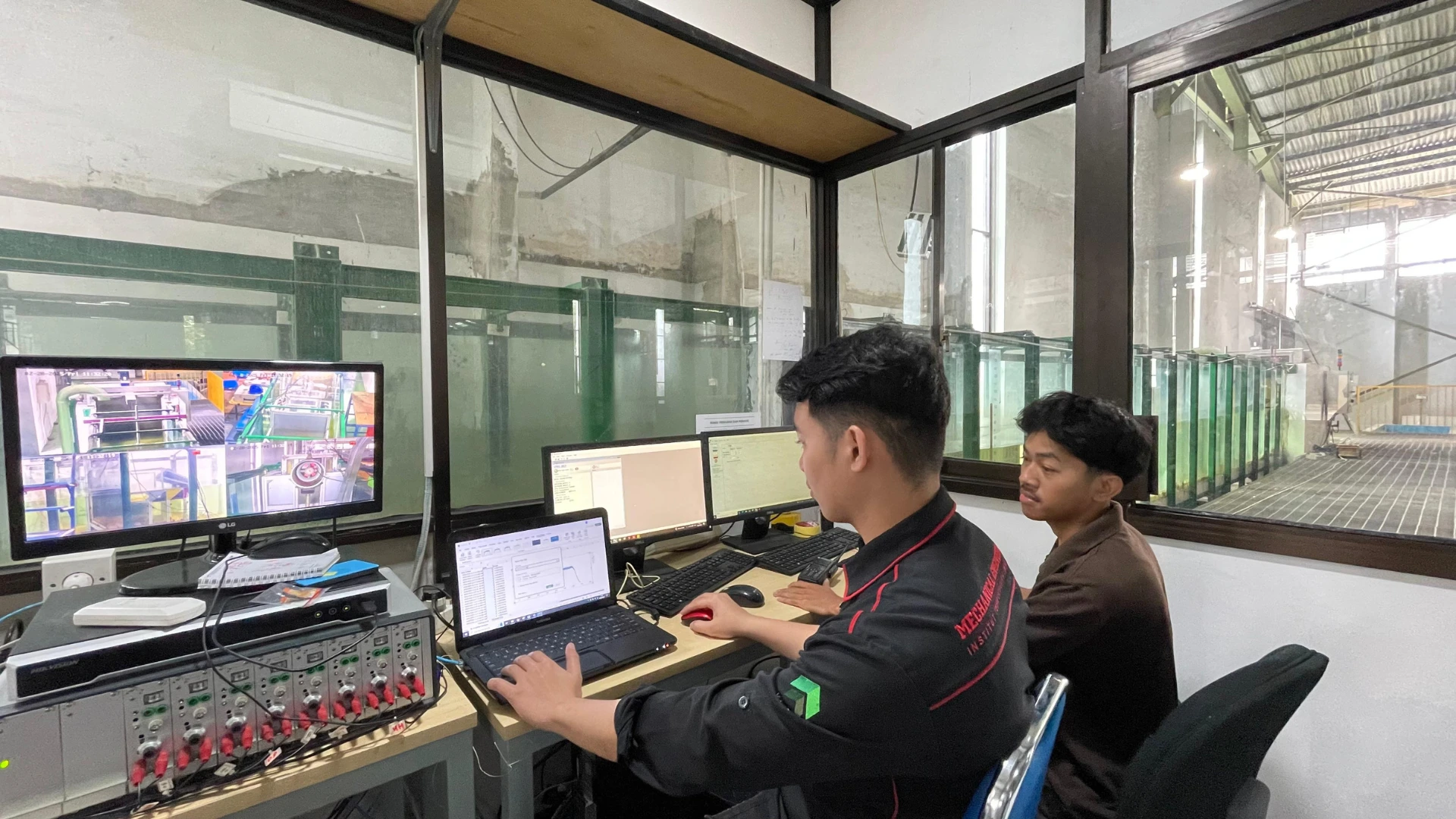
Indonesia is widely recognized as a maritime nation with enormous marine energy potential. However, the utilization of renewable energy from ocean waves remains far from optimal. Addressing this challenge, a team of researchers from Institut Teknologi Kalimantan (ITK) in collaboration with the National Research and Innovation Agency (BRIN) is developing an innovative Wells Turbine integrated with an Oscillating Water Column (OWC) system as a wave energy power generation technology that has the potential to support Indonesia’s clean energy transition.
This research is conducted by the ITK-BRIN Research Team from the Center for Fluid-Based Renewable Energy Studies and Engineering (ITK) and the Hydrodynamics Technology Research Center (BRIN).
Indonesia’s Vast Ocean Wave Energy Potential
Indonesia possesses an extensive marine territory with a coastline stretching over 99,000 kilometers. These geographical conditions make Indonesia one of the countries with the largest ocean wave energy potential in the world. At the same time, the demand for renewable energy continues to increase in line with the government’s target to achieve a national clean energy mix.
Despite its huge potential, the utilization of ocean wave energy in Indonesia still faces various challenges, ranging from technological limitations to the lack of supporting infrastructure. Therefore, the development of ocean wave energy conversion technology is considered an important step in supporting national energy security.
Wells Turbine and Oscillating Water Column System
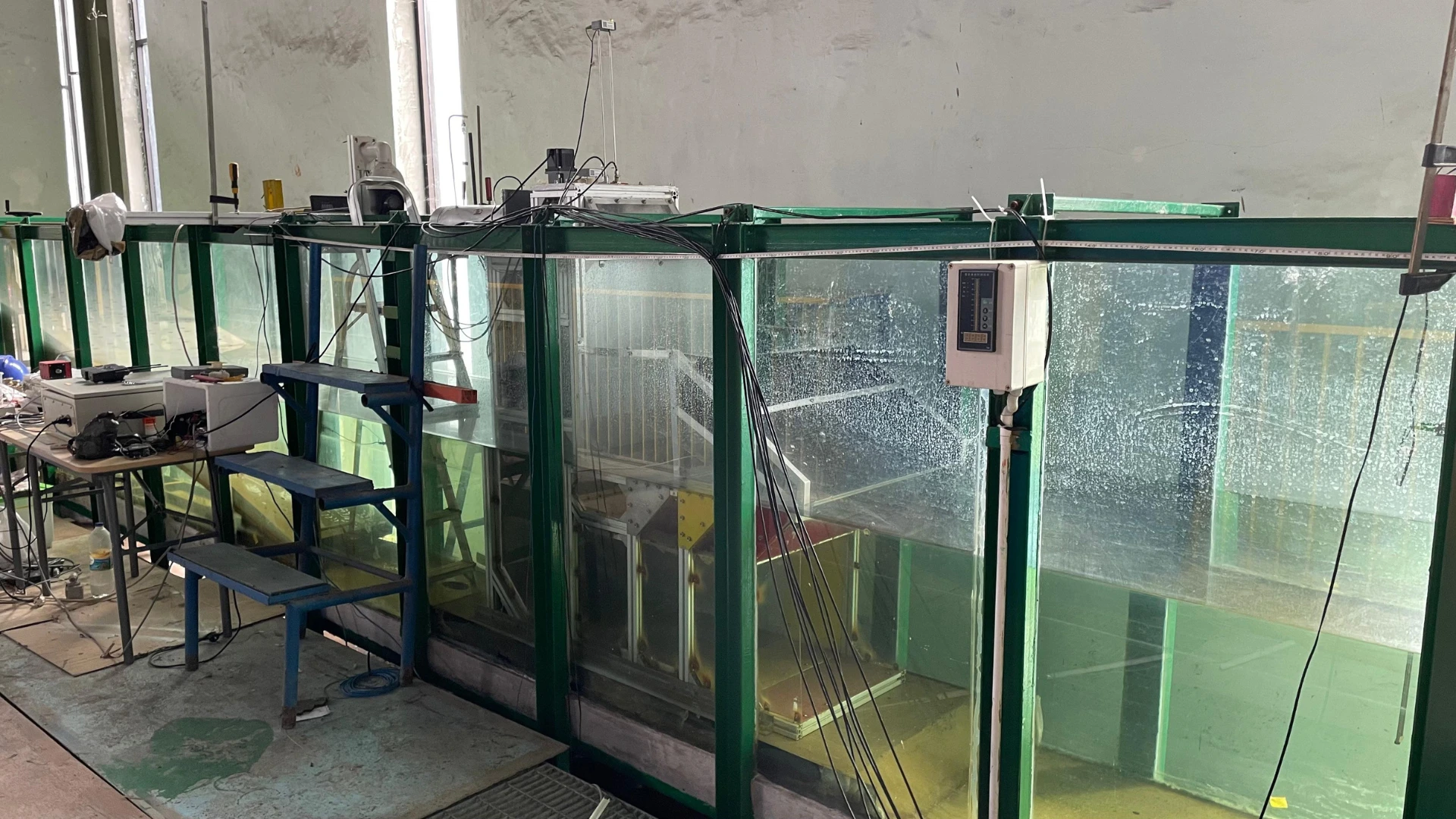
One of the technologies developed in this research is the Wells Turbine combined with the Oscillating Water Column (OWC) system. The OWC system works by utilizing the up-and-down motion of seawater caused by ocean waves to generate airflow within a closed chamber.
The airflow is then used to rotate the Wells Turbine, producing mechanical energy that can subsequently be converted into electrical energy. The main advantage of the Wells Turbine lies in its ability to continue rotating in a single direction even when the airflow direction changes due to wave motion.
Through this research, the team aims to develop a more efficient turbine design that is suitable for the characteristics of Indonesian waters. The research results are expected to become one of the innovative solutions for the development of marine-based renewable energy.
Benefits for Coastal Communities and Remote Areas
The development of ocean wave energy technology is not only focused on technological innovation but also has significant social impacts. This technology has the potential to become an alternative energy source for coastal communities and 3T regions (Frontier, Outermost, and Underdeveloped areas) that still have limited access to electricity.
By utilizing naturally available ocean wave potential, OWC-based power generation systems can help provide cleaner and more sustainable energy. In addition, the utilization of marine energy can reduce dependence on fossil fuels while supporting efforts to lower carbon emissions.
Supporting the National Clean Energy Transition
The collaboration between ITK and BRIN represents part of the contribution of Indonesian academics and researchers in supporting the development of national renewable energy. Research on Wells Turbine and OWC systems is expected to open opportunities for the advancement and wider application of marine energy technology in the future.
Through this innovation, Indonesia is not only utilizing its abundant marine resources but also strengthening its steps toward a cleaner, more independent, and sustainable energy future.
Isi Artikel
Berita Terpopuler
Research and Community Service
Tags
Research InovationTags
Research InovationBerita Terpopuler
Research and Community Service
Berita Terbaru
 Research and Community Service
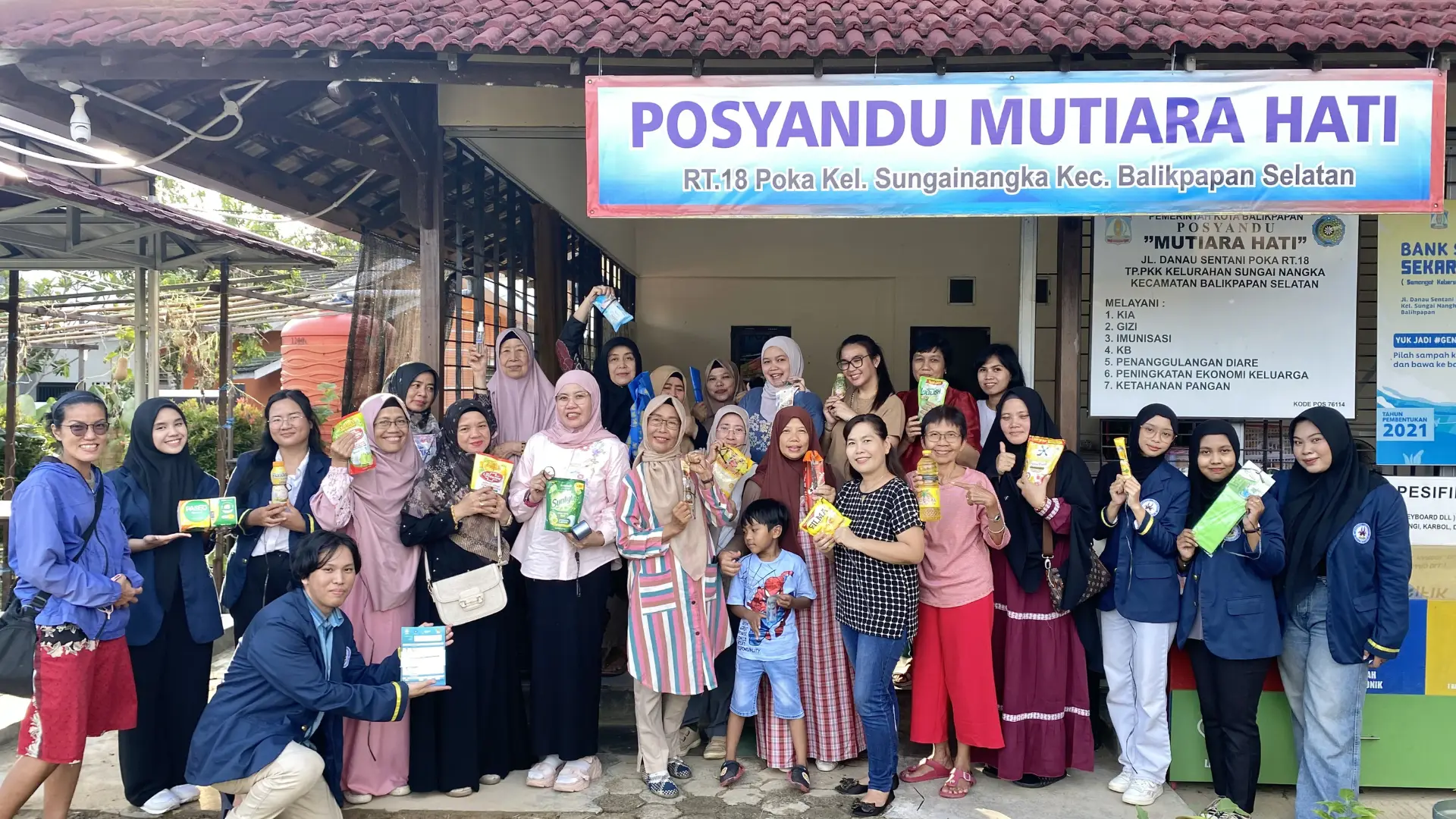
SekarCycle Becomes an Impactful Solution for the Digitalization of Bank Sampah Sekar Balikpapan
 Seminar
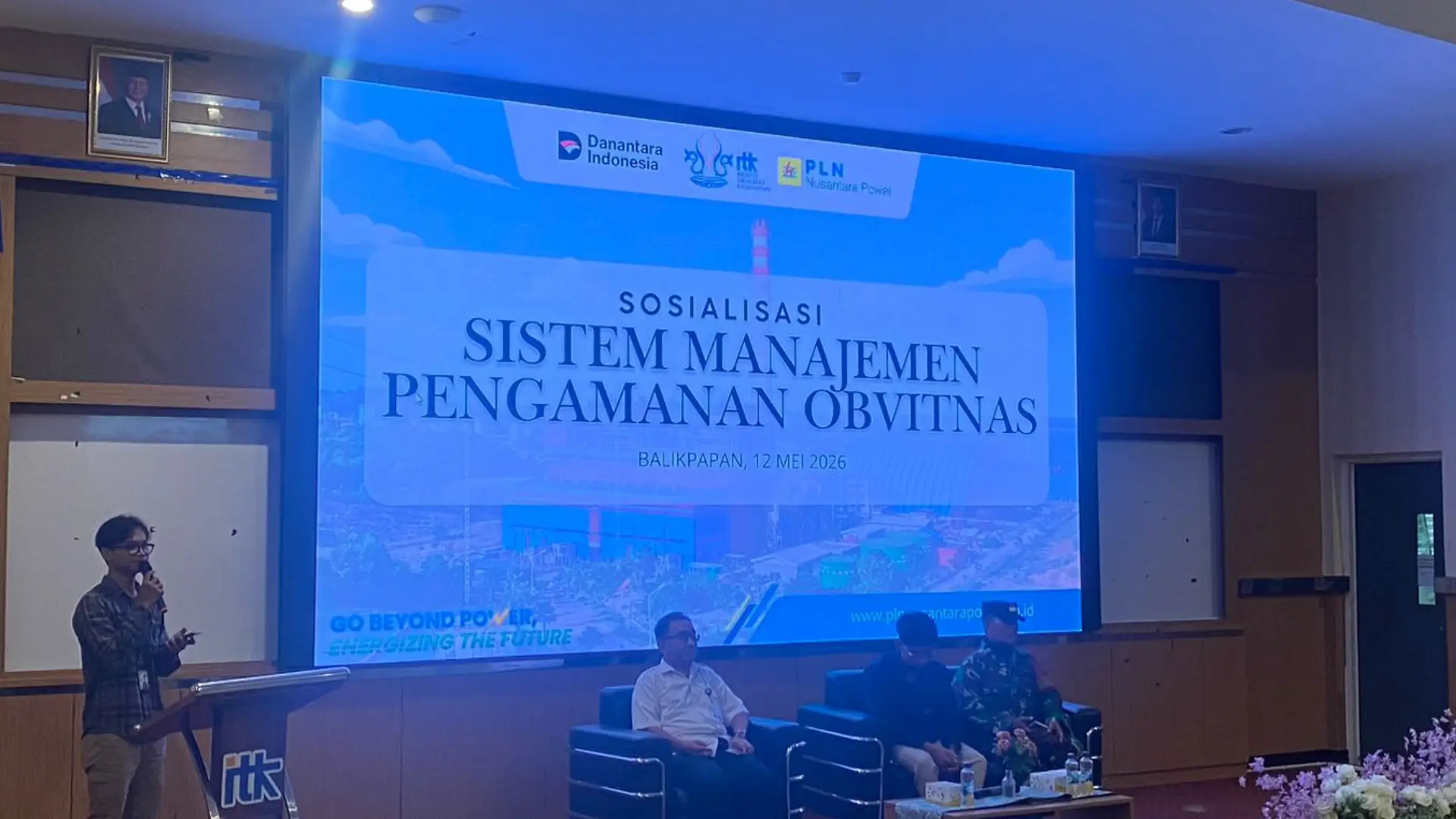
ITK and PT PLN Nusantara Power Hold Socialization on Security Management System
 Scholarship
Djarum Beasiswa Plus 2026/2027 Opens, ITK Students Invited to Join a Circle of Achievers
Djarum Beasiswa Plus 2026/2027 Opens