Detail Berita
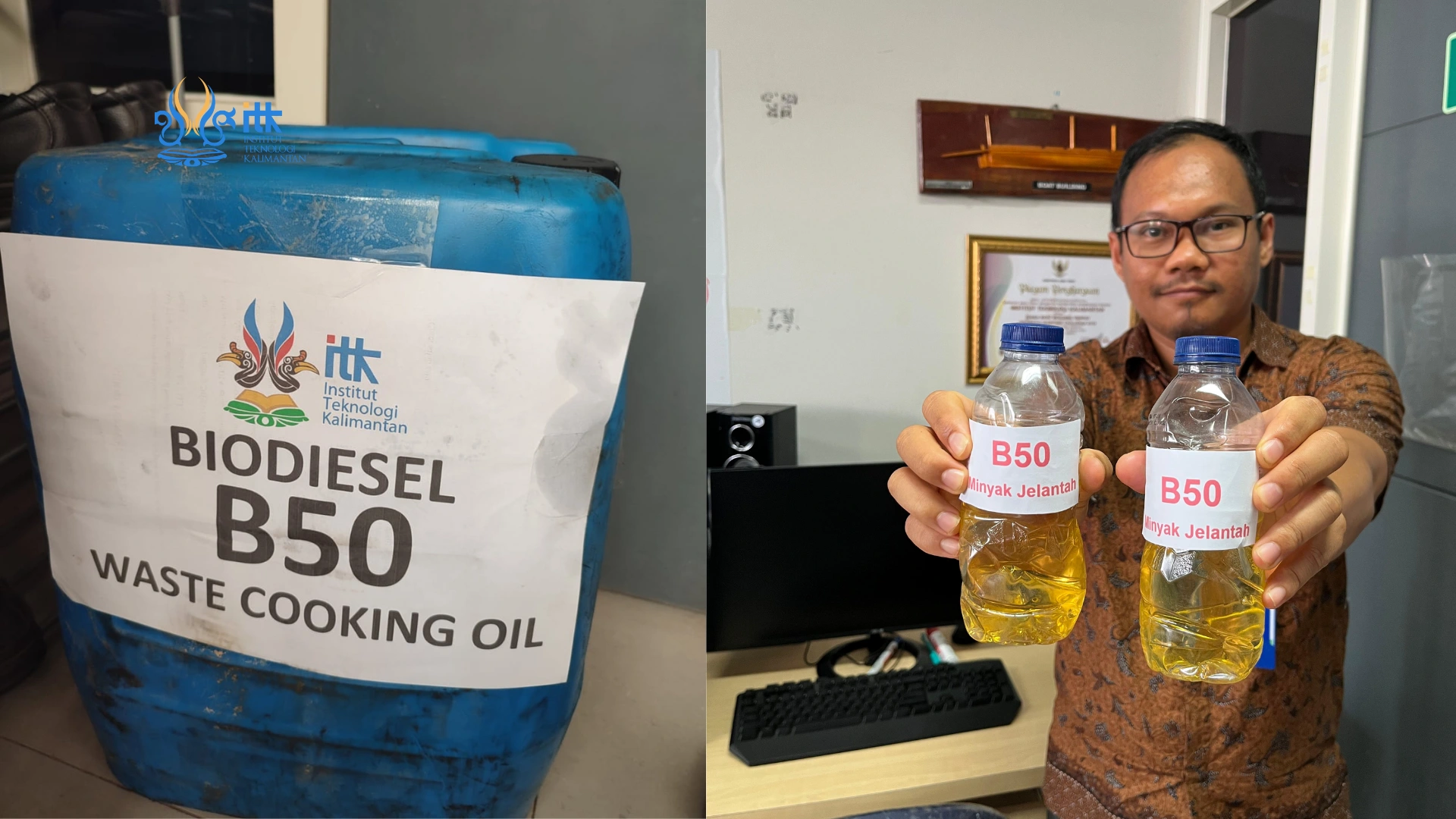
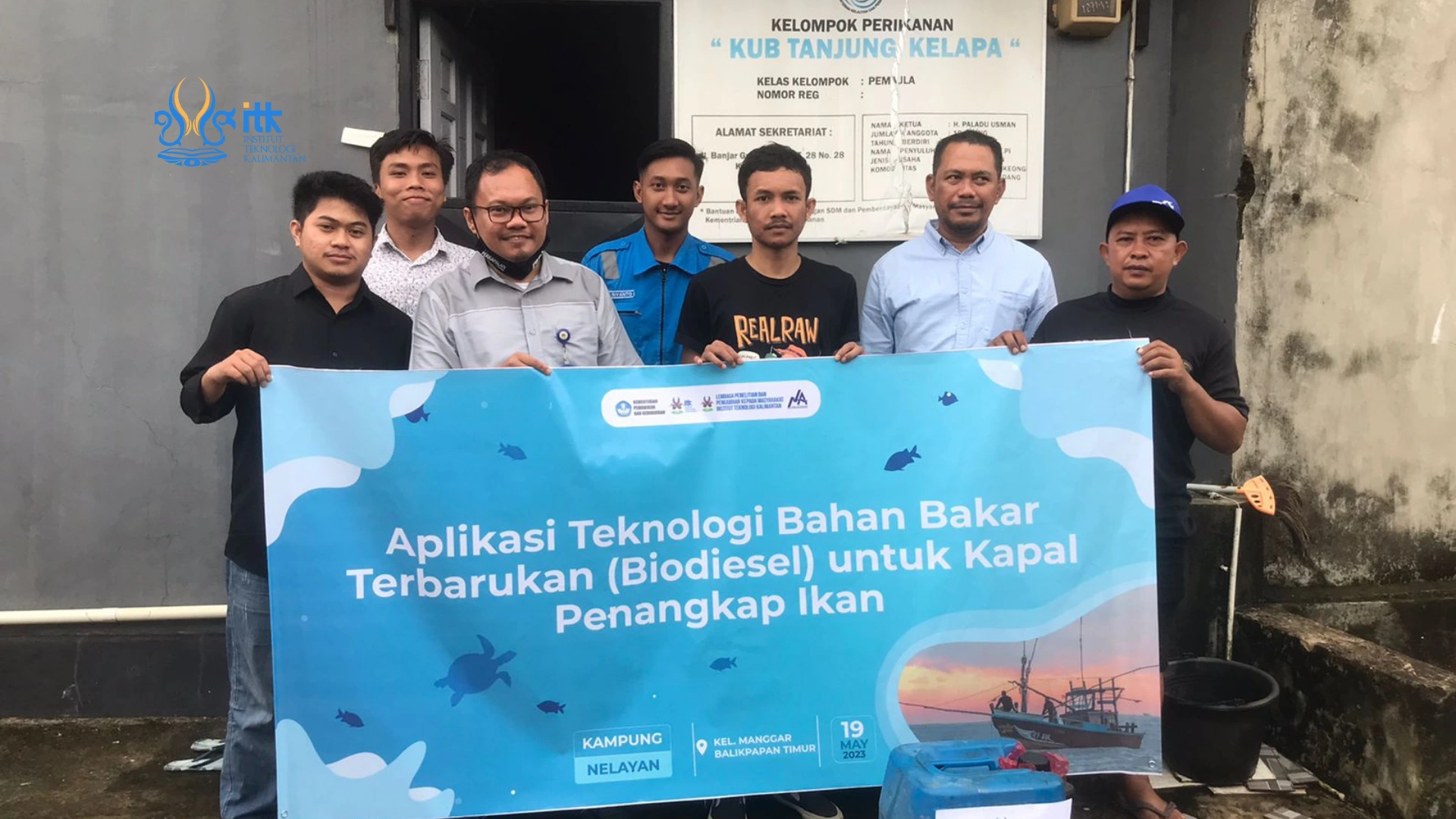
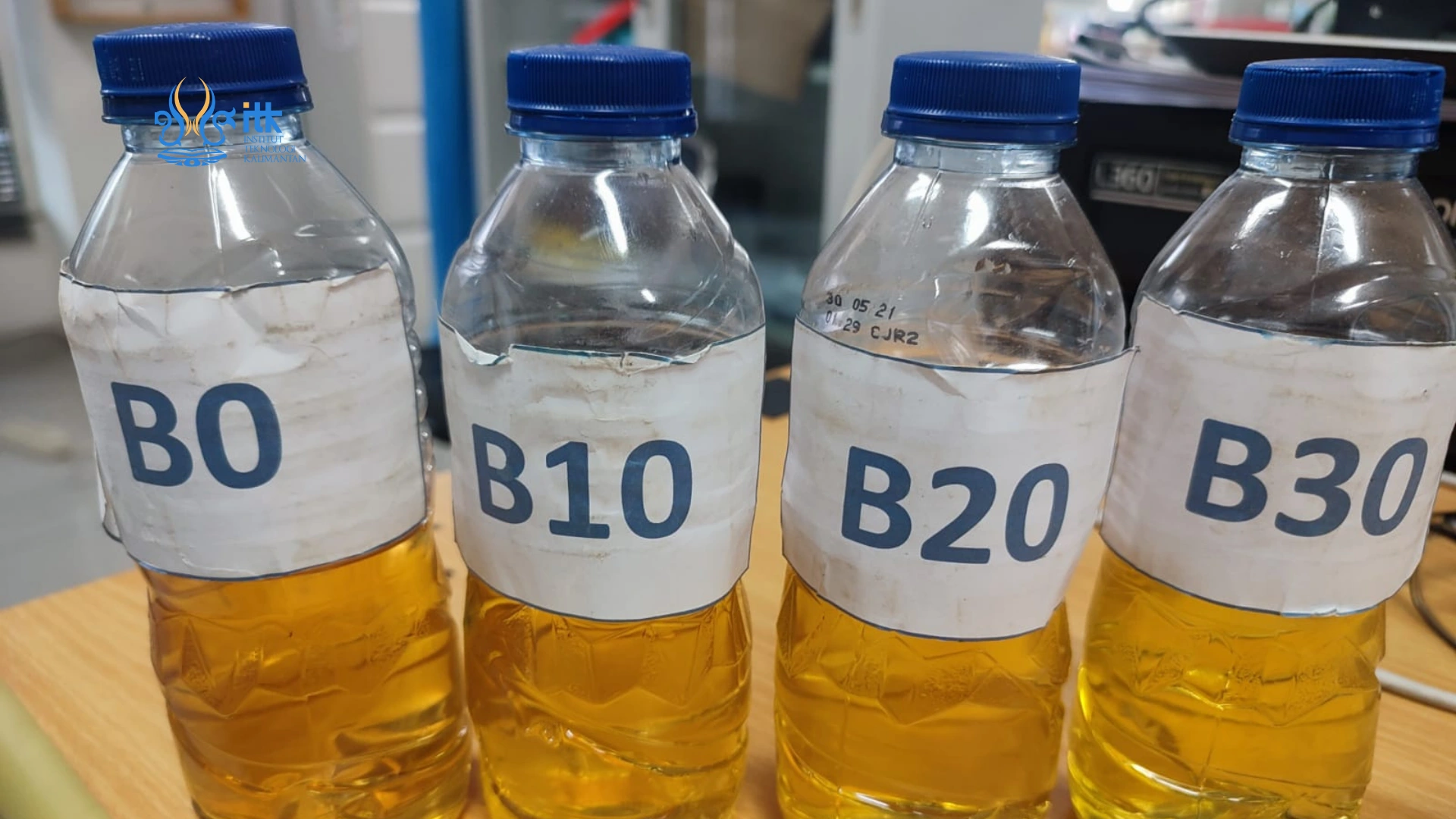
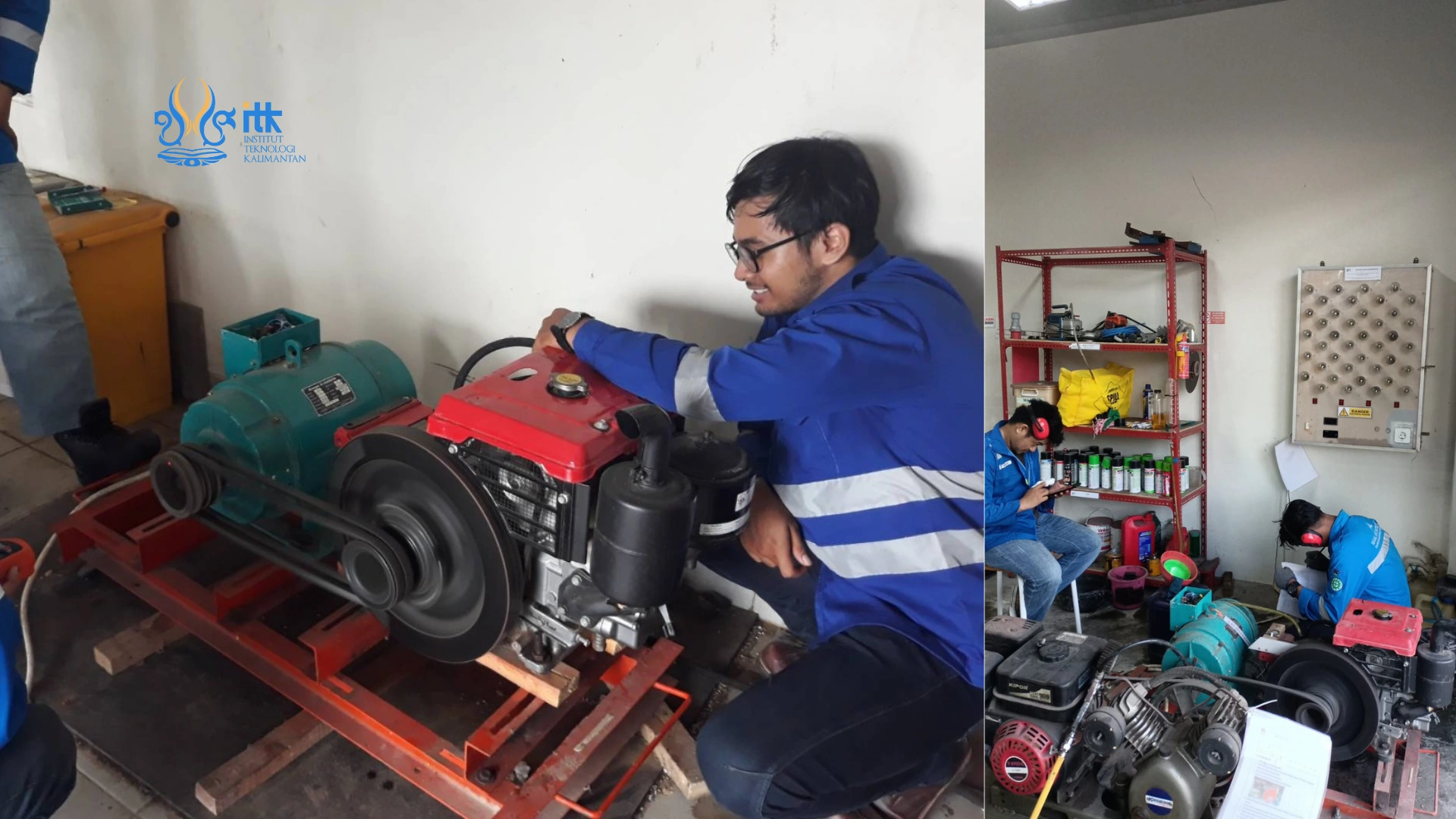
From Kitchen Waste to Fuel Tank: Transforming Used Cooking Oil into Engine Fuel
Isi Artikel
When Waste and the Energy Crisis Meet a Solution
Amid rising fuel prices and the increasing burden of energy subsidies, the nation faces serious challenges in maintaining energy security. At the same time, used cooking oil waste continues to accumulate and pollute the environment. Ir. Suardi, S.T., M.T., a researcher and academic in the field of energy and environmental studies, emphasizes that these two issues can be addressed through a single sustainable solution: converting used cooking oil into biodiesel.
Energy Crisis and Used Cooking Oil Waste: Two Problems, One Opportunity
The depletion of petroleum resources, high fuel prices, and the growing cost of fuel subsidies indicate that dependence on fossil energy is placing an increasing burden on the national economy. Meanwhile, used cooking oil waste from households and commercial sectors remains poorly managed and contributes to environmental pollution. This condition highlights the importance of utilizing biodiesel derived from used cooking oil as an environmentally friendly alternative energy source aligned with Indonesia’s Net Zero Emission 2060 target.
Efforts to utilize waste as an energy source have also gained attention from various stakeholders. One such example was reported by Kompas, which highlighted innovations in transforming waste into value-added products, including alternative fuels, demonstrating the growing relevance of the circular economy approach across regions.
Used Cooking Oil: From Kitchen Leftovers to the Energy of the Future
Discarded Waste, Overlooked Potential
Used cooking oil generated from daily household activities is often discarded once it is no longer suitable for cooking. If left unmanaged, this waste can contaminate soil and water. However, behind this problem lies significant potential: used cooking oil can be processed into biodiesel, a cleaner, renewable, and environmentally friendly alternative fuel.
Dual Benefits: Environmental Protection and Economic Opportunities
The utilization of used cooking oil offers dual benefits for society. Environmental quality improves as pollution is reduced, while alternative energy sources become available to help decrease reliance on fossil fuels. Moreover, biodiesel production from household and culinary business waste opens new economic opportunities and creates employment.
Data and Facts: Evidence of Used Cooking Oil Biodiesel Potential
According to data from the Ministry of Energy and Mineral Resources (ESDM), approximately 90 percent of used cooking oil waste is still disposed of into the environment, such as trash bins and drainage systems, where it becomes hazardous waste. In fact, biodiesel produced from used cooking oil has been proven to reduce exhaust gas emissions by up to 60 percent compared to conventional diesel, making a tangible contribution to achieving the Net Zero Emission 2060 target.
Turning Waste into Hope for Sustainable Energy
It is time to view used cooking oil not merely as waste, but as a valuable asset for a greener and more sustainable energy future. If households, restaurants, and industries actively participate in its collection and processing, environmental pollution can be reduced while accelerating the national energy transition. The question remains: will we continue to discard used cooking oil, or will we turn it into fuel for change?
Isi Artikel


Tags
Inovation ResearchTags
Inovation ResearchBerita Terbaru
 Research and Community Service
ITK Students Develop Reservation Website to Accelerate the Digital Transformation
 International
ITK Joins International ATOLL Consortium to Strengthen Offshore Renewable Energy Talent
ITK Joins International ATOLL Consortium
 Diktisaintek Berdampak
ITK Chemical Engineering Student Introduces Filtration Technology to Improve Clean Water Quality