Detail Berita
Vending Machine Innovation for More Targeted Social Assistance Distribution
Isi Artikel
A New Solution for Social Aid Distribution
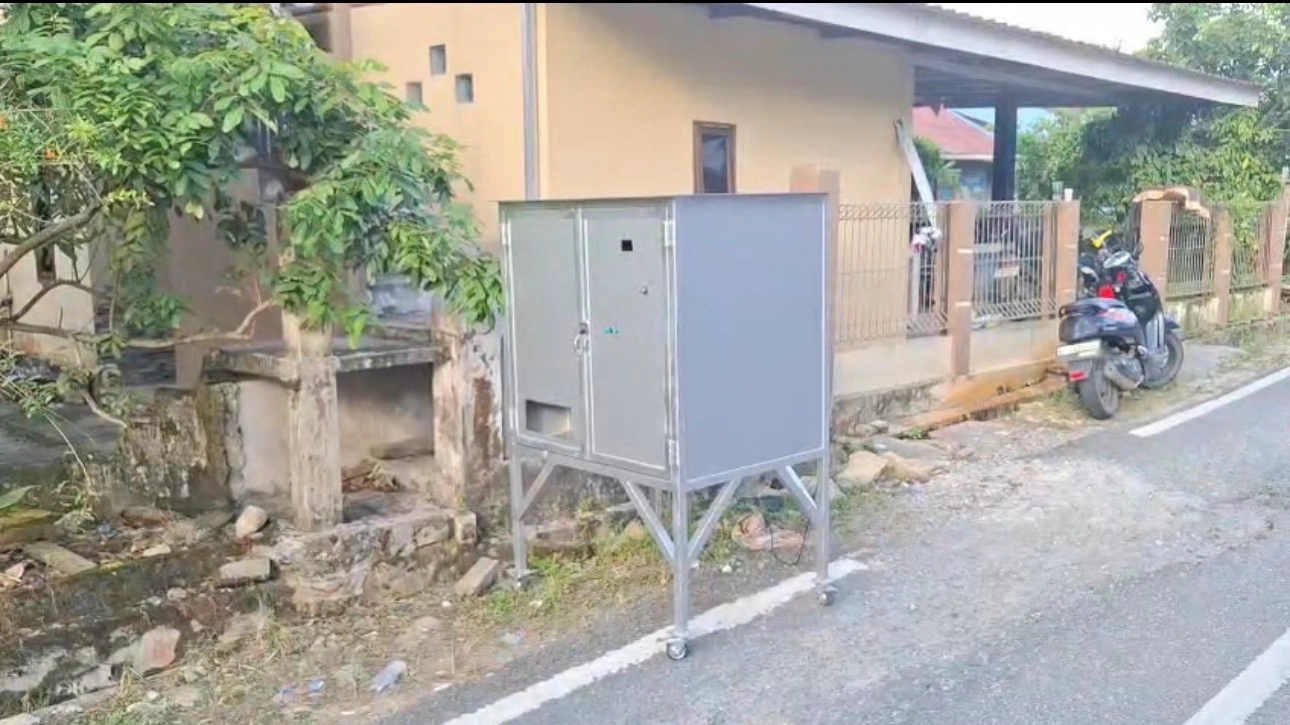
In today’s digital era, the way we deliver assistance must also evolve. One of the innovations developed is a vending machine prototype for distributing Social Assistance (Bansos), integrated with an identity verification system based on electronic data.
Through this innovation, the distribution process no longer relies entirely on manual methods. Beneficiaries can independently collect assistance at public facilities through a system that is faster, more transparent, and easier to monitor.
Why Is This Innovation Important?
So far, social assistance distribution has faced various challenges, ranging from lengthy processes and unsynchronized data to the risk of mistargeting.
At the same time, the need for fast and accurate assistance continues to increase, especially during emergencies such as pandemics or disasters.
This raises an important question: how can we simplify the distribution process while maintaining security and accuracy?
The answer lies in leveraging familiar technologies, such as vending machines, which are already part of everyday life.
How Does It Work?
This vending machine operates using an identity verification system. Beneficiaries simply validate their identity, for example through fingerprint scanning, and the system matches the data with the existing database.
If the data is verified, the assistance can be automatically dispensed from the machine.
The concept is simple, but the impact is significant:
- No long queues
- Reduced direct interaction
- Faster and more practical process
- Systematically recorded distribution data
Technology and Design Used
From a design perspective, the vending machine uses Aluminium Composite Panel (ACP) material. This material is chosen for its strength, weather resistance, and suitability for placement in public spaces, including humid areas such as Balikpapan.
The internal system is also quite comprehensive, including:
- Identity verification system
- Automatic dispensing mechanism
- Data connectivity system for monitoring
With this combination, the machine functions not only as a distribution tool but also as part of an integrated digital system.
Testing Results
Based on testing results, the vending machine demonstrates solid performance.
The materials used are proven to be corrosion-resistant, making them suitable for long-term use. Meanwhile, user trials show a success rate of 97.5% in retrieving assistance.
Most failures were caused by minor technical factors, which can still be improved in future development.
Development Potential
In the future, this innovation has strong potential for broader implementation.
It can be utilized not only by the government but also by:
- Companies through CSR programs
- Social organizations
- Communities or individuals
Its placement is also flexible and can include:
- Village or sub-district offices
- Public facilities
- Disaster relief posts
- Places of worship
With the addition of energy sources such as solar panels, the machine can even operate in areas with limited electricity.
Conclusion
This vending machine innovation for social assistance distribution demonstrates how technology can provide real solutions to on-the-ground challenges.
With a system that is more transparent, efficient, and accessible, it is expected that future aid distribution will become more targeted and deliver direct impact to the community.
Isi Artikel


Tags
Inovation ResearchTags
Inovation ResearchBerita Terbaru
 International
ITK’s Materials and Metallurgical Engineering Program and Saga University
 News
News
Outstanding ITK Lecturer Yunita Triana Turns Palm Oil Waste into Opportunities for Future Energy
Yunita Triana Turns Palm Oil Waste into Opportunities for Future Energy
 News
News
ITK Informatics Student Secures Sixth Place in C2C Cyber Security Challenge 2026
ITK Informatics Student Secures Sixth Place in C2C