Detail Berita
From ITK to Hiroshima: Materials Engineering Students Introduce Eco-Friendly Solder Innovation at an International Forum
Isi Artikel
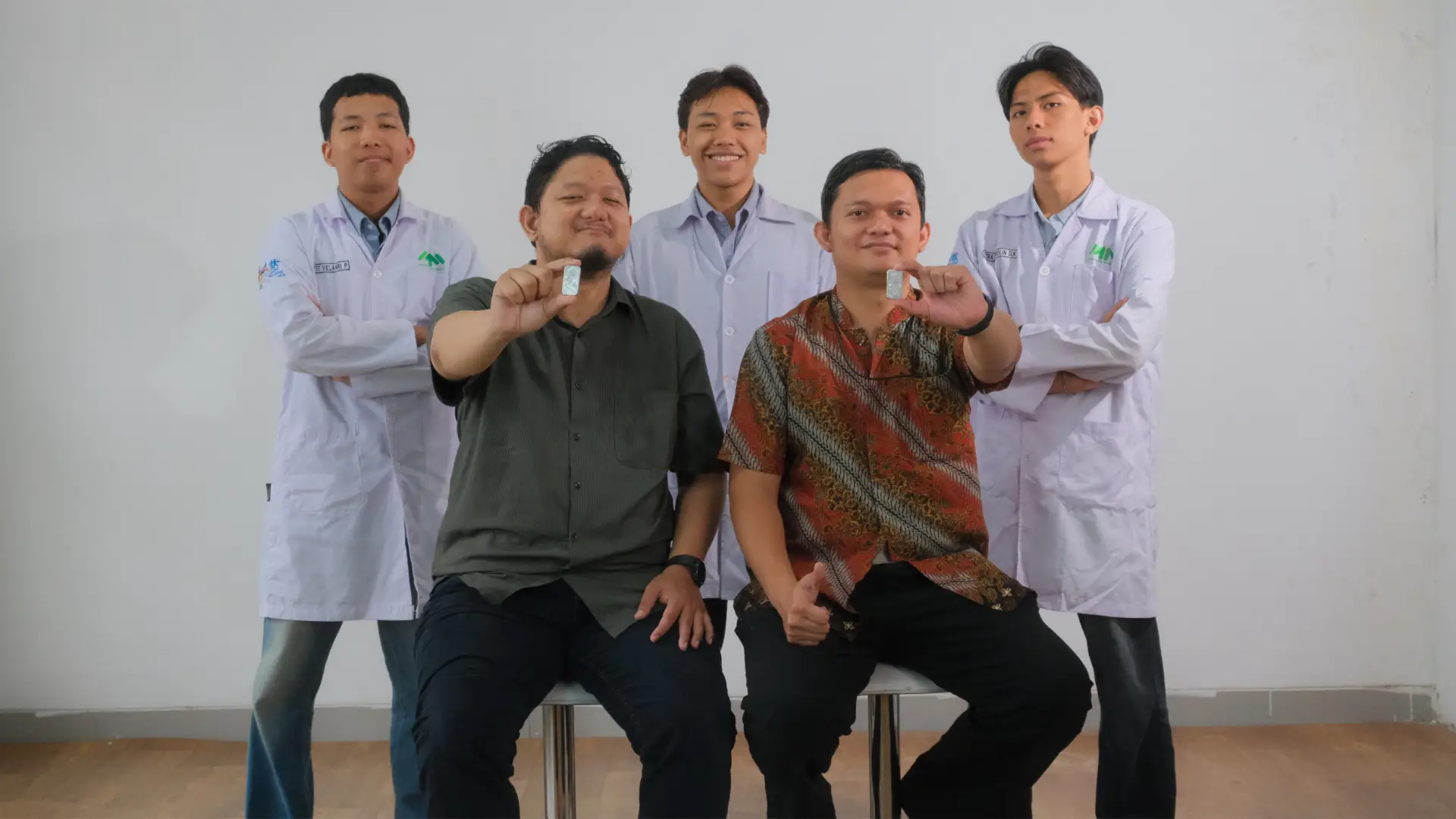
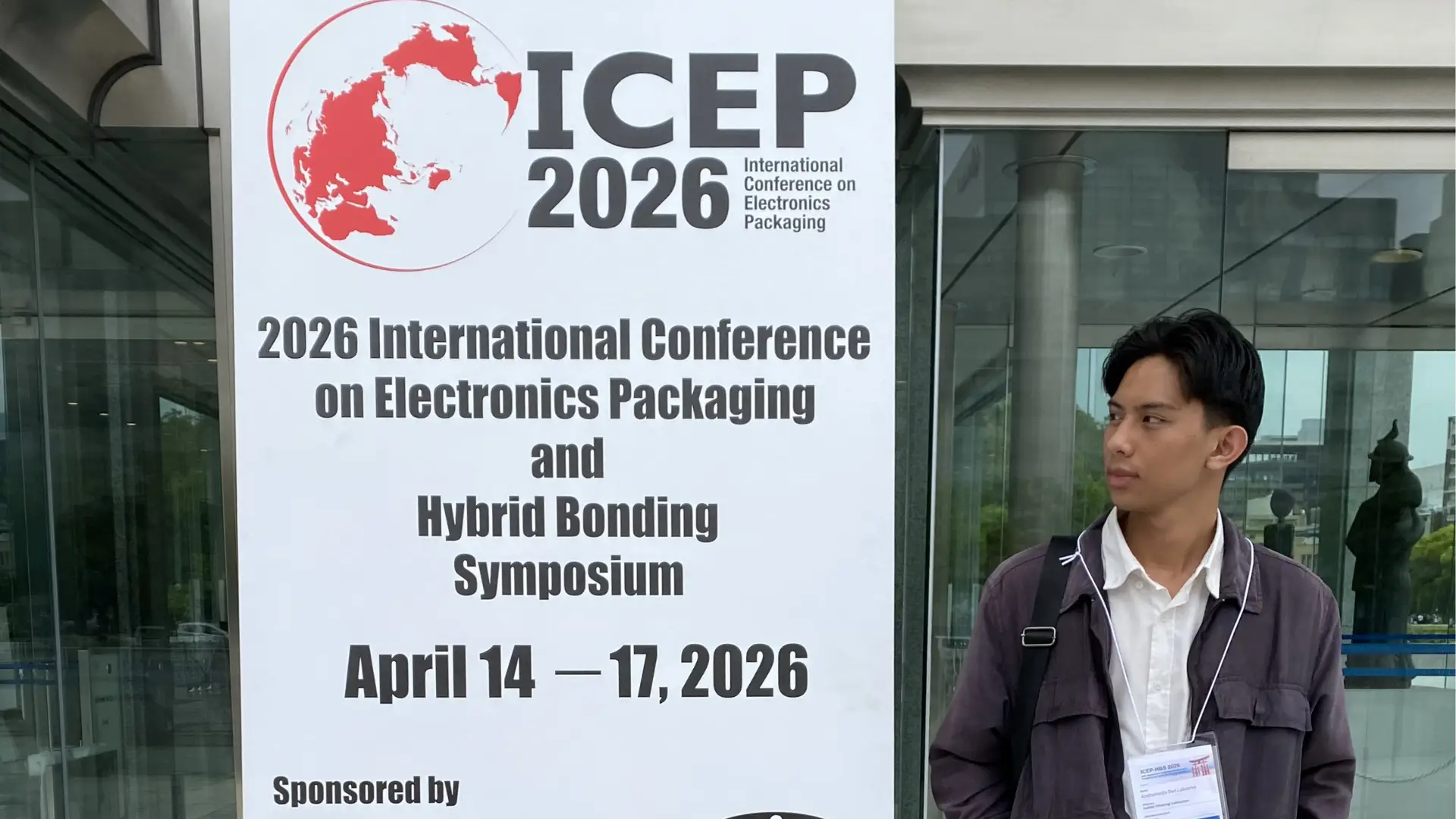
Balikpapan - An eco-friendly materials innovation has once again brought Institut Teknologi Kalimantan (ITK) to the international stage. A team of students from the Materials and Metallurgical Engineering Study Program, led by Muhammad Ramanda Putra, successfully participated as paper presenters at the International Conference on Electronic Packaging and Hybrid Bonding Symposium (ICEP-HBS) at the International Conference Center Hiroshima, Japan.
The team consisted of Muhammad Ramanda Putra, Muhammad Mahessa Ajibasa Syaiban, Devit Velanri Putra, and Nurkholis Majid. Throughout the research and conference preparation process, the team was supervised by Andromeda Dwi Laksono, S.T., M.Sc., Ph.D.
At the international forum, the ITK team presented a scientific paper entitled “Development and Characterization of Eco-Friendly Sn-Ag-Cu-Zn Solder for Electrical Performance on PCB Applications.” The research focuses on developing a lead-free solder material based on Sn–Ag–Cu–Zn (SAC-Zn) alloy as a more environmentally friendly, efficient, and applicable alternative for electronic devices using printed circuit boards (PCBs).
The research was motivated by the issue of lead-based solder, or Sn–Pb, which is widely used in electronic devices such as laptops and smartphones. Although it offers good mechanical performance, lead content poses risks to human health and the environment, causing its use to be restricted under global regulations such as RoHS.
As a solution, the team developed lead-free solder by adding zinc (Zn) to the Sn–Ag–Cu alloy. The addition of Zn is designed to lower the melting point, improve mechanical performance, refine the microstructure, maintain electrical performance, and reduce production costs by lowering dependence on relatively expensive silver content.
The research results show that the SAC-Zn alloy has a relatively low and stable melting range, improved material hardness, a finer microstructure, and good electrical performance through reduced resistance and impedance. This combination makes the material a promising, more sustainable solder alternative for the modern electronics industry.
For Ramanda, participating in this international conference was an entry point to connect with the global academic and industrial ecosystem. Beyond opening opportunities for further study and professional collaboration, the experience also became a way to bring ITK’s name to an international forum through innovative and impactful research.
The journey to the international forum involved a long preparation process. The team conducted literature reviews, concept development, research trials and improvements, as well as presentation material refinement. The research had previously received funding from BIMA and continued to be developed until it was ready to be presented before the international academic and industrial community.
This achievement demonstrates that ITK students are able to contribute to materials technology development that is relevant to the needs of future industries. Through research on lead-free solder that is more environmentally friendly, competitive, and applicable, ITK continues to strengthen its role in promoting sustainable innovation.
Ramanda shared a message that even the smallest opportunity is worth pursuing. For him, as long as the chance is not completely gone, there is always hope to try, move forward, and grow.
Isi Artikel
Berita Terpopuler
Academic Programs
Diktisaintek Berdampak
Tags
Research Research Education University StudentTags
Research Research Education University StudentBerita Terpopuler
Academic Programs
Diktisaintek Berdampak
Berita Terbaru
 Achievement
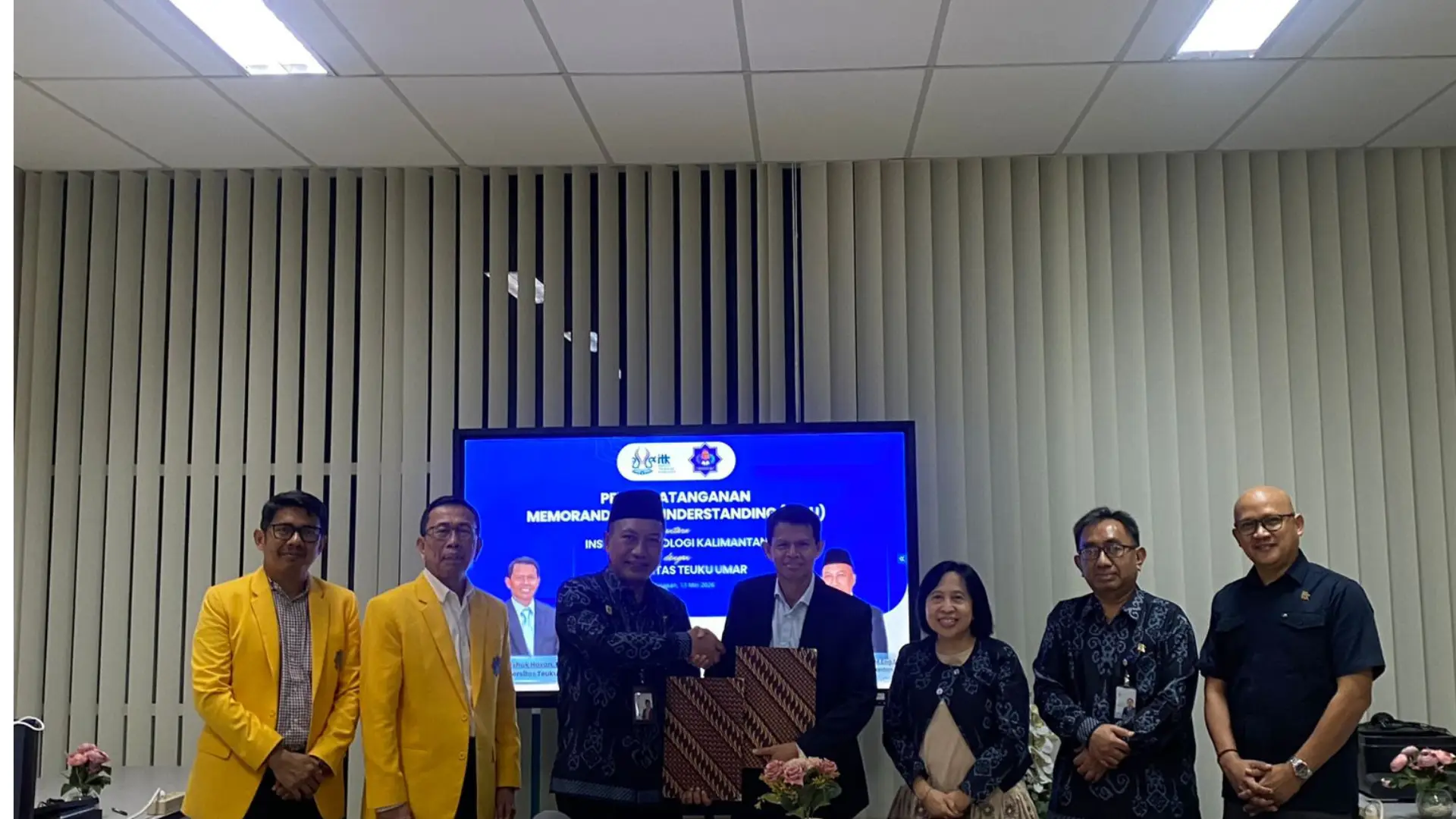
ITK and Universitas Teuku Umar Explore Collaboration
 Achievement
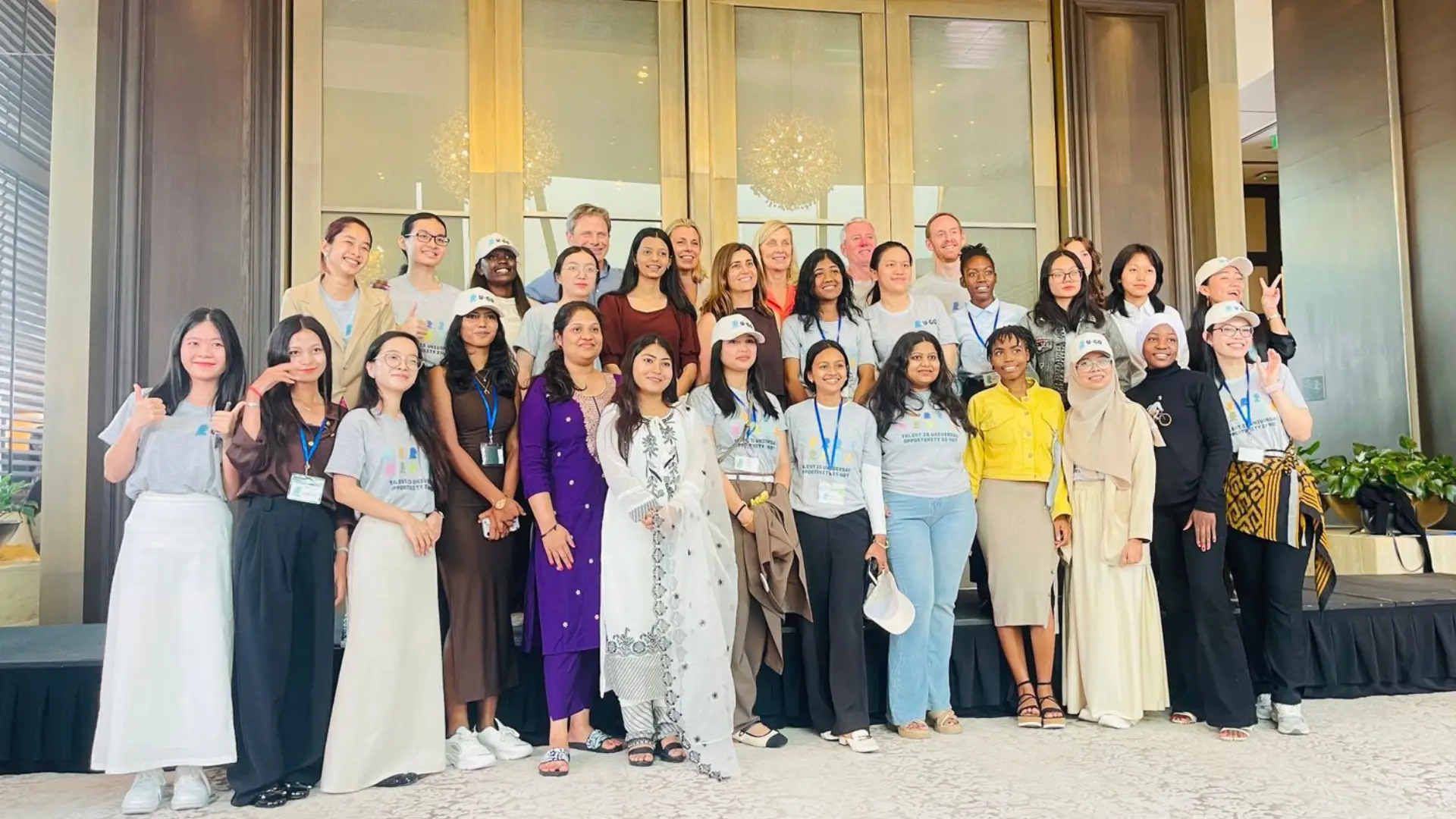
Nadya Azwarelda Haryanto Opens U-GO Ambassadors Offsite 2026 in Cambodia
 Achievement
Paper presenters at the International Conference on Electronic Packaging and Hybrid Bonding Symposium