Detail Berita
ITK Student Innovation: Tofu Waste at SIKS Balikpapan Transformed into Value-Added Food Products
Isi Artikel
Efforts to utilize industrial waste continue to be a key focus in supporting sustainable environmental management. Through a community service program, students of Institut Teknologi Kalimantan (ITK) implemented an initiative to utilize solid tofu waste in the Sentra Industri Kecil Somber (SIKS) area, Balikpapan City. This program aims to process tofu production waste into value-added food products while reducing potential environmental pollution.
SIKS Balikpapan is one of the largest tofu production centers in the city, covering approximately 9 hectares with around 94 production units, of which about 60 are actively operating. The high level of production generates large amounts of solid waste in the form of tofu residue (okara) every day. So far, much of this waste has not been optimally utilized and is often discarded, posing potential environmental and sanitation issues.
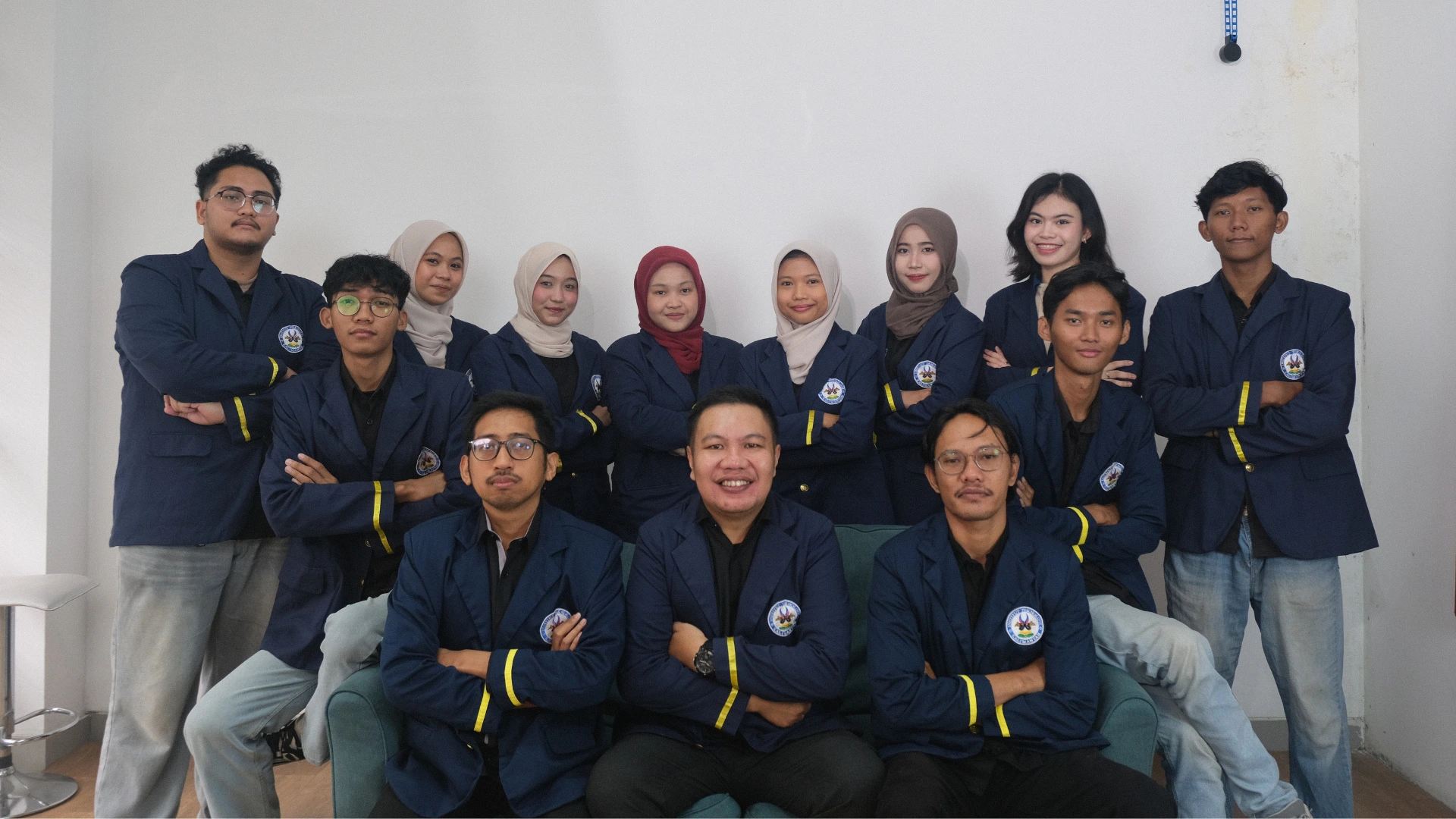
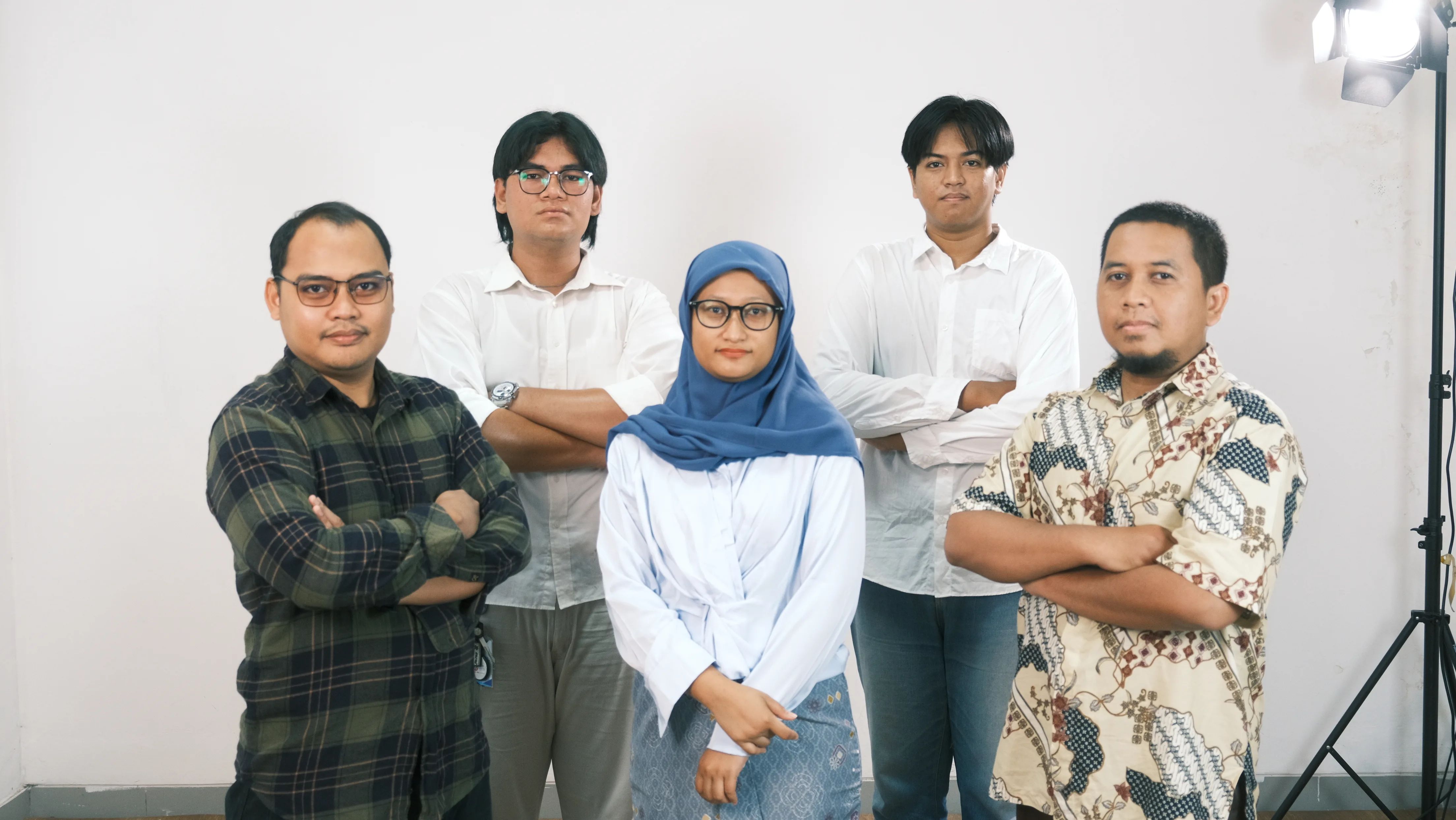
This community service activity was carried out by a team of ITK students consisting of Ahmad Adel Hikam, Bintang Nabila Parahita, Dea Adinda Larasati, Irfan Kairi, Ivan Dwi Arifianto, Muhammad Al Ikhsan, Siti Sabina Hutami, Syafawiyah Malika Rubiati, Nadya Azweralda Haryanto, and Pitriyani, under the supervision of A.M. Adhitya A. Walemma, Muhammad Hudzaly Hatala, and Alvianus Kristian Sumual. The program focuses on community empowerment through the utilization of tofu waste into processed food products.
Transforming Waste into Value-Added Food Products
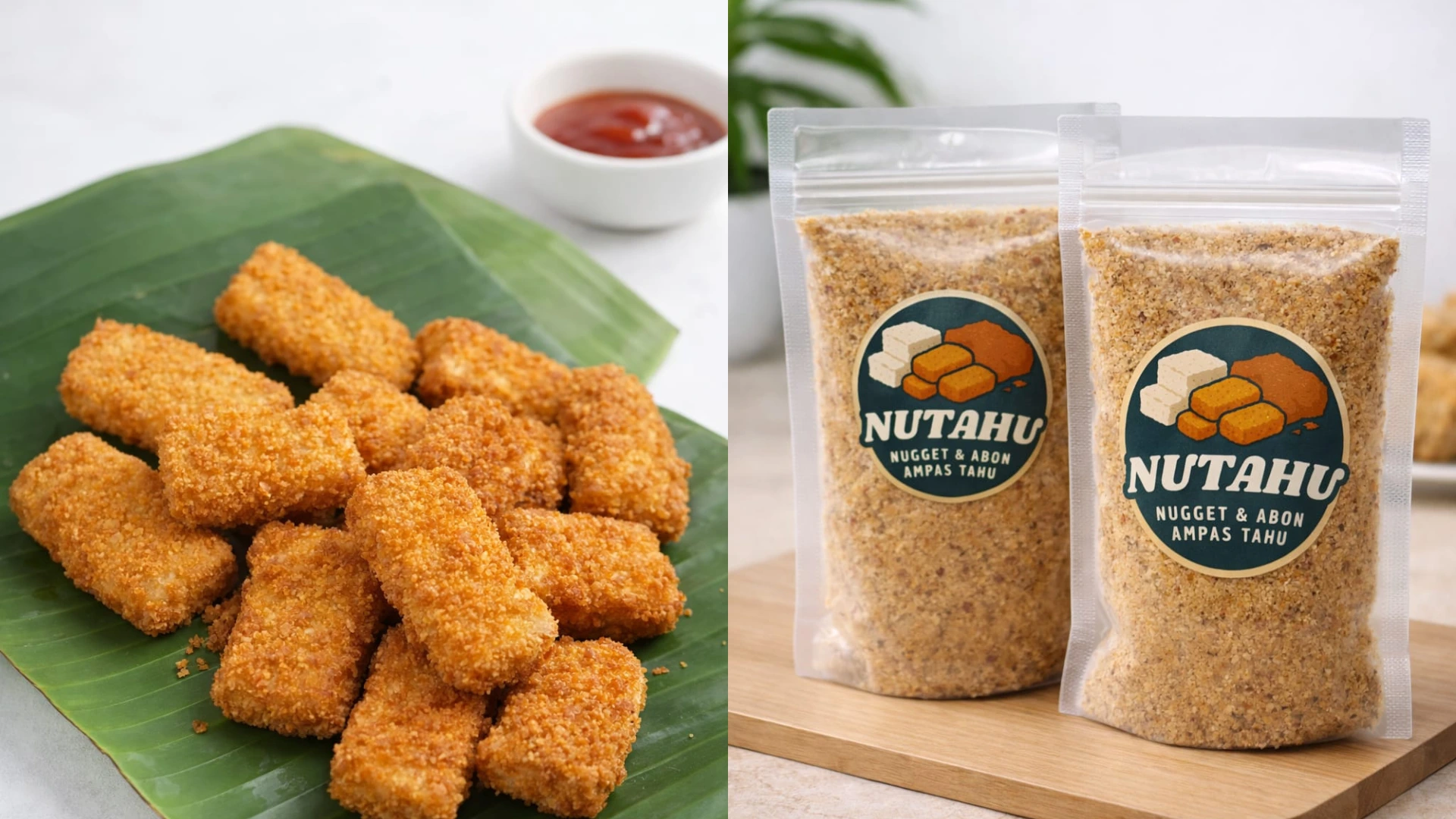
Tofu residue actually contains significant nutritional value, including crude protein and fiber, making it highly potential to be processed into various food products. Through this program, the team introduced two types of tofu waste-based products: soy nuggets and shredded tofu residue (abon ampas tahu).
The activity began with an identification phase through observations and interviews with tofu producers in the SIKS area to understand the volume of waste generated and its current management practices. The team then designed socialization and training programs for producers and the local community on environmentally friendly, affordable, and practical processing techniques.
Training and Workshops on Tofu Waste Processing
During the implementation phase, activities were conducted in the form of socialization sessions and workshops aimed at raising awareness about the environmental impacts of tofu production waste while introducing its economic potential. Participants were then guided through hands-on practice in producing tofu waste-based food products.
In addition to processing techniques, participants were also introduced to basic production cost calculations, product packaging, and potential marketing strategies. The resulting products were evaluated through organoleptic tests to assess taste, texture, and overall quality.
Challenges in Implementation
In practice, the program encountered several challenges, particularly related to the characteristics of tofu waste, which has a high moisture content and requires a lengthy pressing process before it can be processed. Additionally, limited production equipment and storage facilities, such as freezers, posed challenges in maintaining product quality and shelf life.
Nevertheless, the program provided valuable experience for the team and opened opportunities for the community to utilize production waste more productively.
Supporting a Circular Economy in Small-Scale Industries
Through this initiative, the team aims to encourage a shift in mindset among industry players—from merely disposing of waste to utilizing it as a raw material for value-added products. This approach not only helps reduce environmental pollution but also creates additional income opportunities for business owners and the surrounding community.
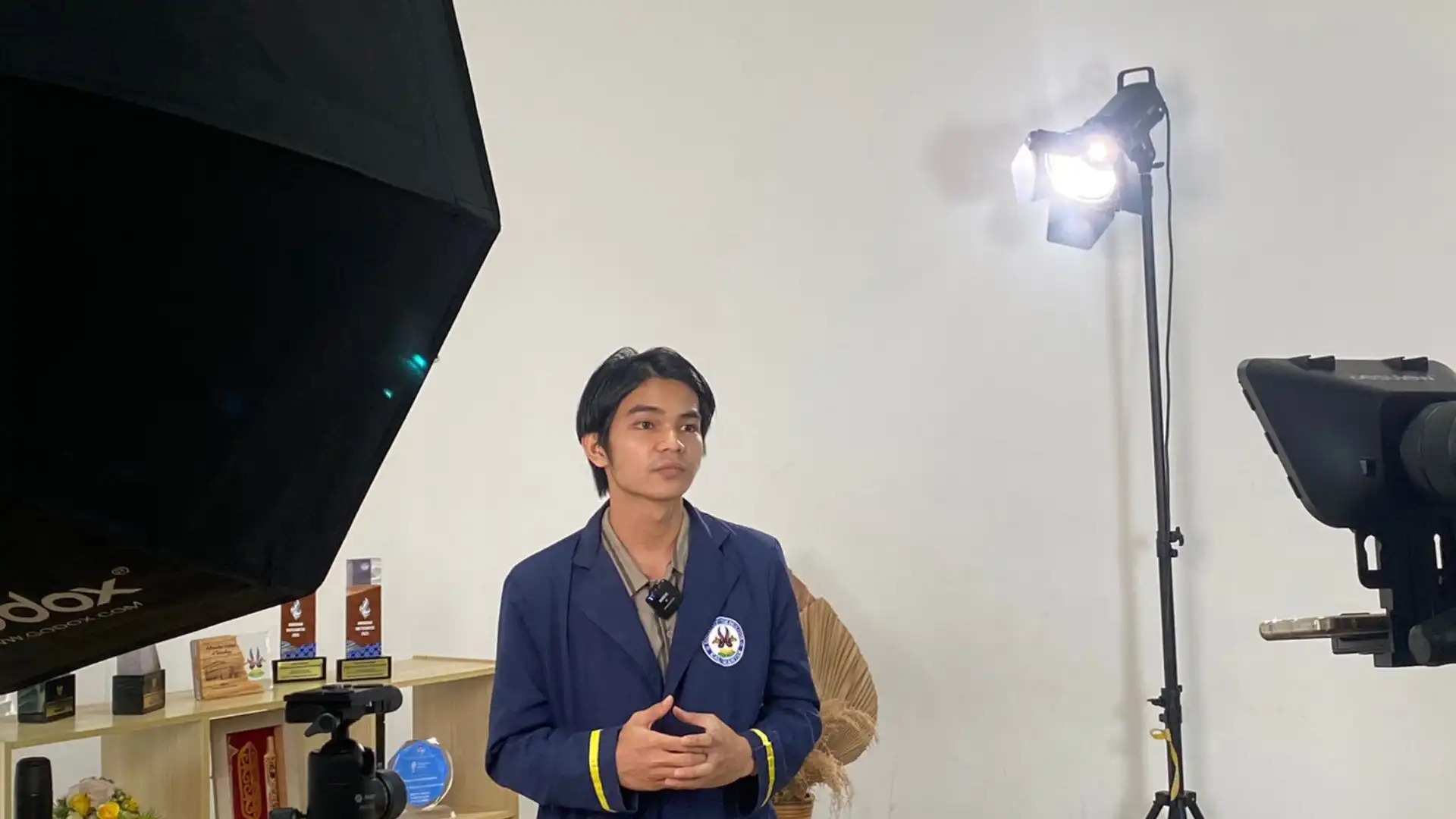
Moving forward, the team plans to conduct laboratory testing on the processed products, develop more attractive packaging designs, and produce video documentation as part of the program’s outputs.
Through this initiative, ITK once again demonstrates its commitment to delivering community-based innovations that support waste management, local economic development, and the implementation of circular economy principles in small-scale industries.
Isi Artikel
Berita Terpopuler
Research and Community Service
Tags
Research Community InovationTags
Research Community InovationBerita Terpopuler
Research and Community Service
Berita Terbaru
 Announcement
BICAME 2026 Officially Opens Call for Papers
 Announcement
Preparation for UTBK-SNBT 2026 at Institut Teknologi Kalimantan
 Alumni
ITK Engineer Muhammad Dipo Nugroho Drives Impact Through Governance and Integrity