Detail Berita
ITK's Rainwater Harvesting and Liquid Organic Fertilizer Innovations Create Impactful Diktisaintek for Balikpapan Farmers' Independence
Isi Artikel
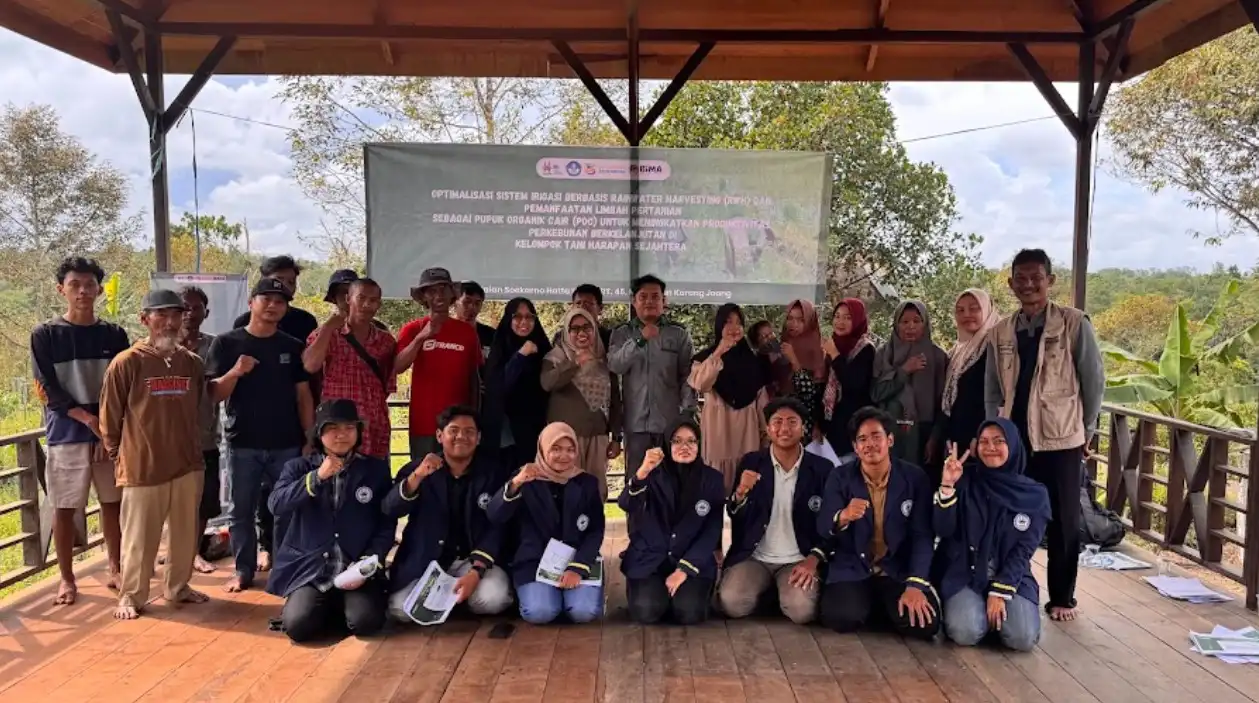
Balikpapan — Limited water availability and the high cost of fertilizers remain critical challenges for farmers in the outskirts of Balikpapan City. These conditions are directly experienced by the Harapan Sejahtera Farmers Group (KTHS), which manages approximately 342.4 hectares of plantation land in Karang Joang Village, North Balikpapan. In response to these challenges, the Community Service Team of the Institut Teknologi Kalimantan (ITK), led by Arif Wicaksono Septyanto, S.Kom., M.Kom., together with Ni’matus Sholihah, S.TP., M.T.P. and Khairunnisa Adhar, S.T., M.Sc., introduced appropriate technology innovations through the PKM BIMA 2025 program.
The program was initiated based on real field problems, particularly the water scarcity during the dry season and the limited availability of quality fertilizers. The main water source, a river located approximately 200 meters from the farmland, experiences a significant decrease in discharge during the dry season. In addition, the absence of electricity access hampers the operation of bore-well water pumps. On the other hand, subsidized fertilizer distribution is insufficient for the extensive plantation area, while commercial fertilizers are relatively expensive, leading to decreased productivity of crops such as guava, dragon fruit, and pepper.
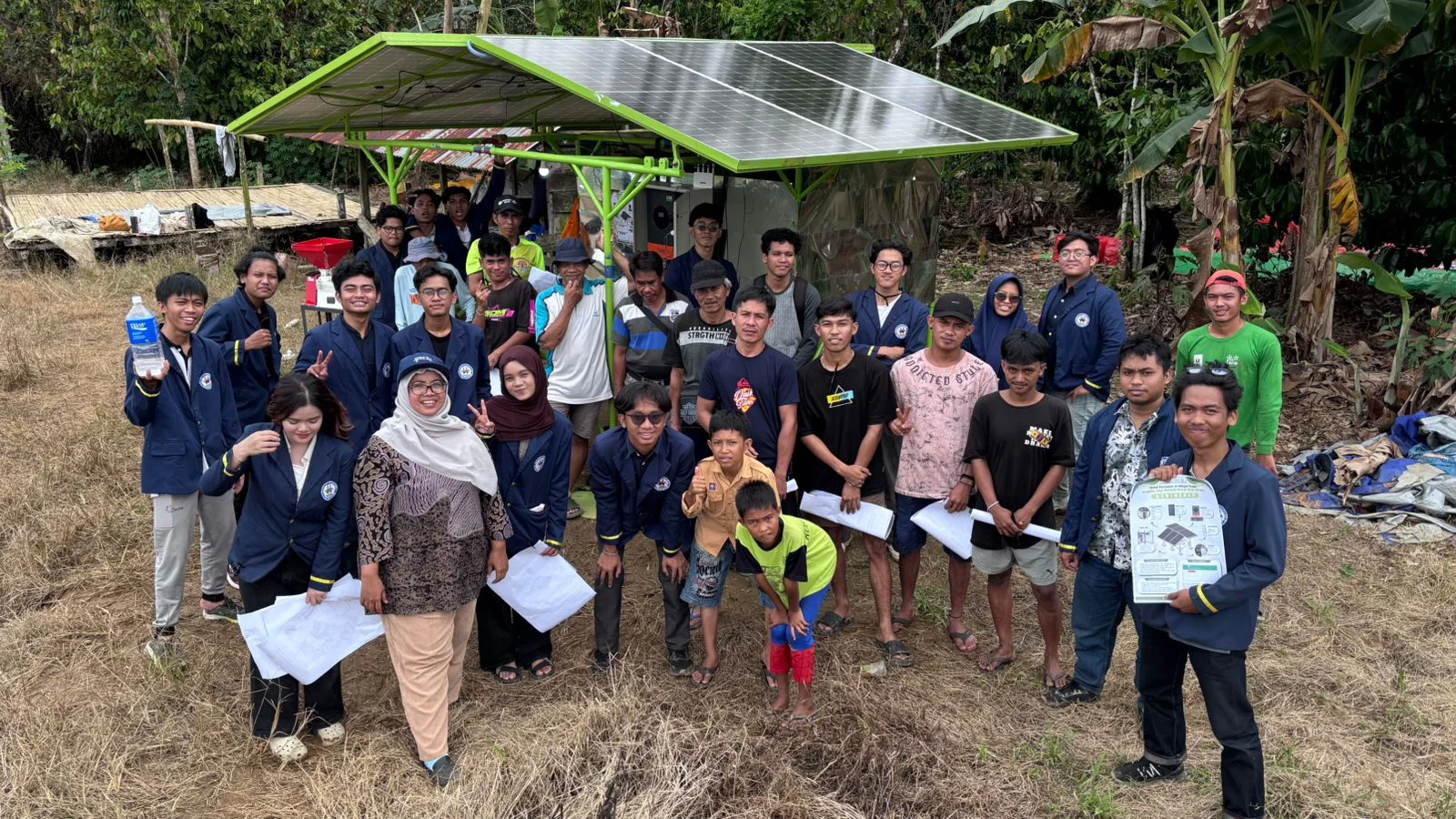
Based on initial surveys, discussions with farmers, and direct field observations, the ITK team developed two main innovations: Rainwater Harvesting (RWH) and Liquid Organic Fertilizer (LOF) derived from agricultural waste. The RWH system was designed by utilizing the roofs of farmers’ shelters as rainwater catchment areas, equipped with storage tanks and multi layer filtration systems consisting of fine sand, coarse sand, gravel, and activated carbon or zeolite. This technology enables farmers to obtain a cleaner, more independent, and sustainable source of irrigation water, particularly during the dry season.
Meanwhile, the LOF innovation was developed by processing vegetable and fruit waste from post-harvest activities into nutrient-rich liquid fertilizer. The resulting LOF contains essential macronutrients such as Nitrogen, Phosphorus, and Potassium, as well as microorganisms that gradually improve soil fertility. The application of this organic fertilizer has the potential to increase crop yields by 20–30 percent and reduce chemical fertilizer costs by up to 50 percent, providing direct economic benefits to farmers.
During implementation, the team encountered several challenges, including the lack of access to the national electricity grid, the potential contamination of rainwater, and farmers’ concerns regarding the productivity of organic farming systems. These challenges were addressed through the use of generator sets to power irrigation pumps, the application of layered filtration systems to maintain water quality, and the optimization of LOF raw materials by incorporating nitrogen-fixing plants and selected organic waste to ensure competitive nutrient quality.
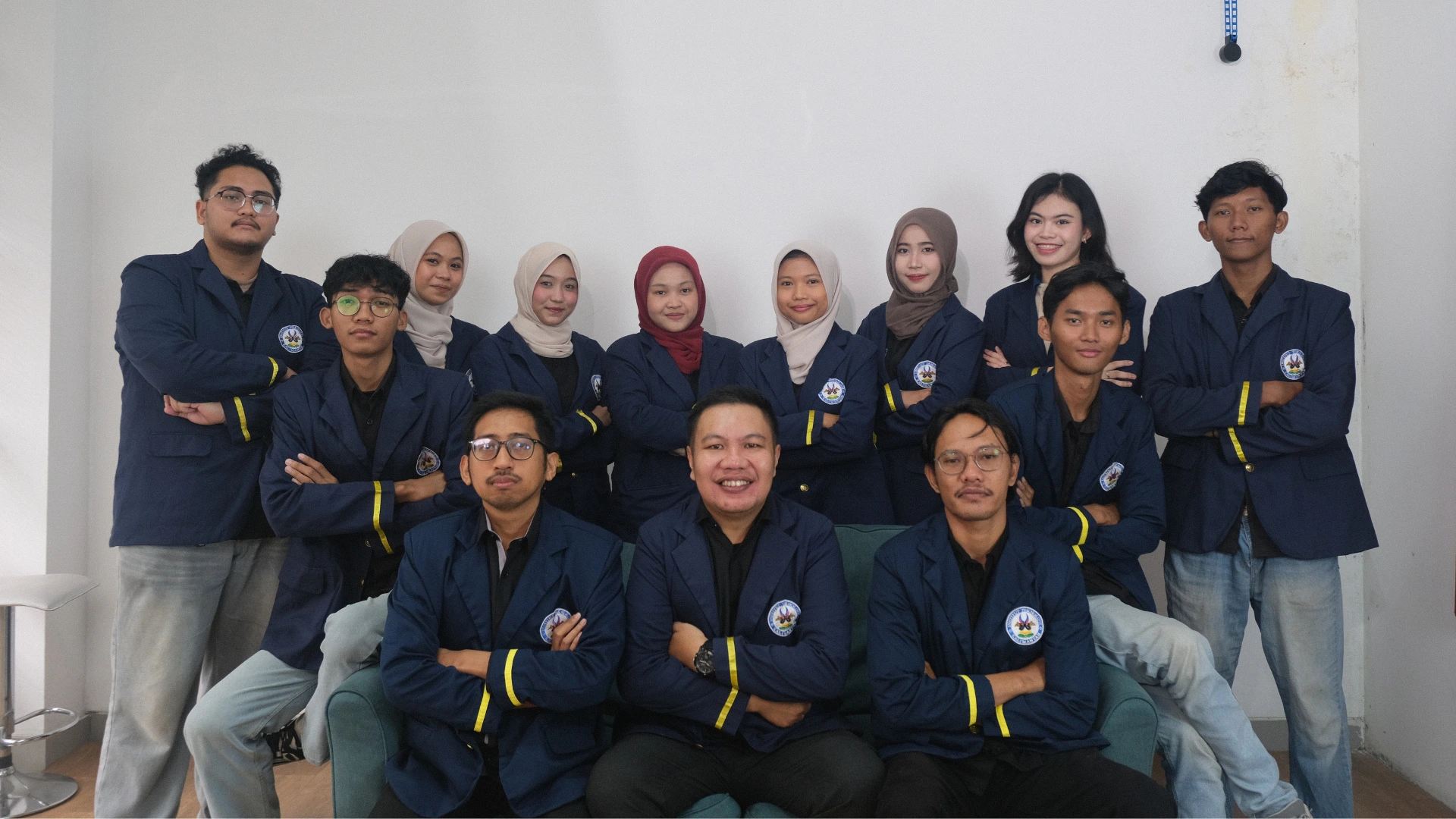
The program involved nine students from various academic programs, namely Ranaya Chintya Mahitsa, Muhammad Ariel Rayhan, Ahmad Daffa Alfattah, Nur Febrinalia, Muhammad Fadly Ardyanti, Meindigo Glenn Gelen, Alif Husain Hizbullah, Fikri Abdurrahman, and Najwa Aidan Yahya. Student involvement not only strengthened the on-site implementation of the technologies but also provided valuable experiential learning in applying academic knowledge to address real-world community challenges.
Farmers’ responses to the implemented innovations were overwhelmingly positive. Members of KTHS gradually shifted from dependence on purchased water and chemical fertilizers toward more self-reliant and sustainable farming practices, utilizing harvested rainwater for irrigation and producing organic fertilizer independently. This behavioral change serves as a key indicator of the program’s success and highlights its potential for replication in other regions with similar characteristics.
The eight-month program conducted in 2025 was funded by BIMA of the Ministry of Higher Education, Science, and Technology, and is expected to deliver long-term benefits for farmer welfare, strengthen the role of ITK students and lecturers, and contribute to the development of sustainable agriculture in East Kalimantan.
Isi Artikel
Berita Terpopuler
Research and Community Service

Research and Community Service
Tags
Community Student Research Education Inovation DIKTISAINTEKBERDAMPAKTags
Community Student Research Education Inovation DIKTISAINTEKBERDAMPAKBerita Terpopuler
Research and Community Service
Research and Community Service
Berita Terbaru
 Achievement
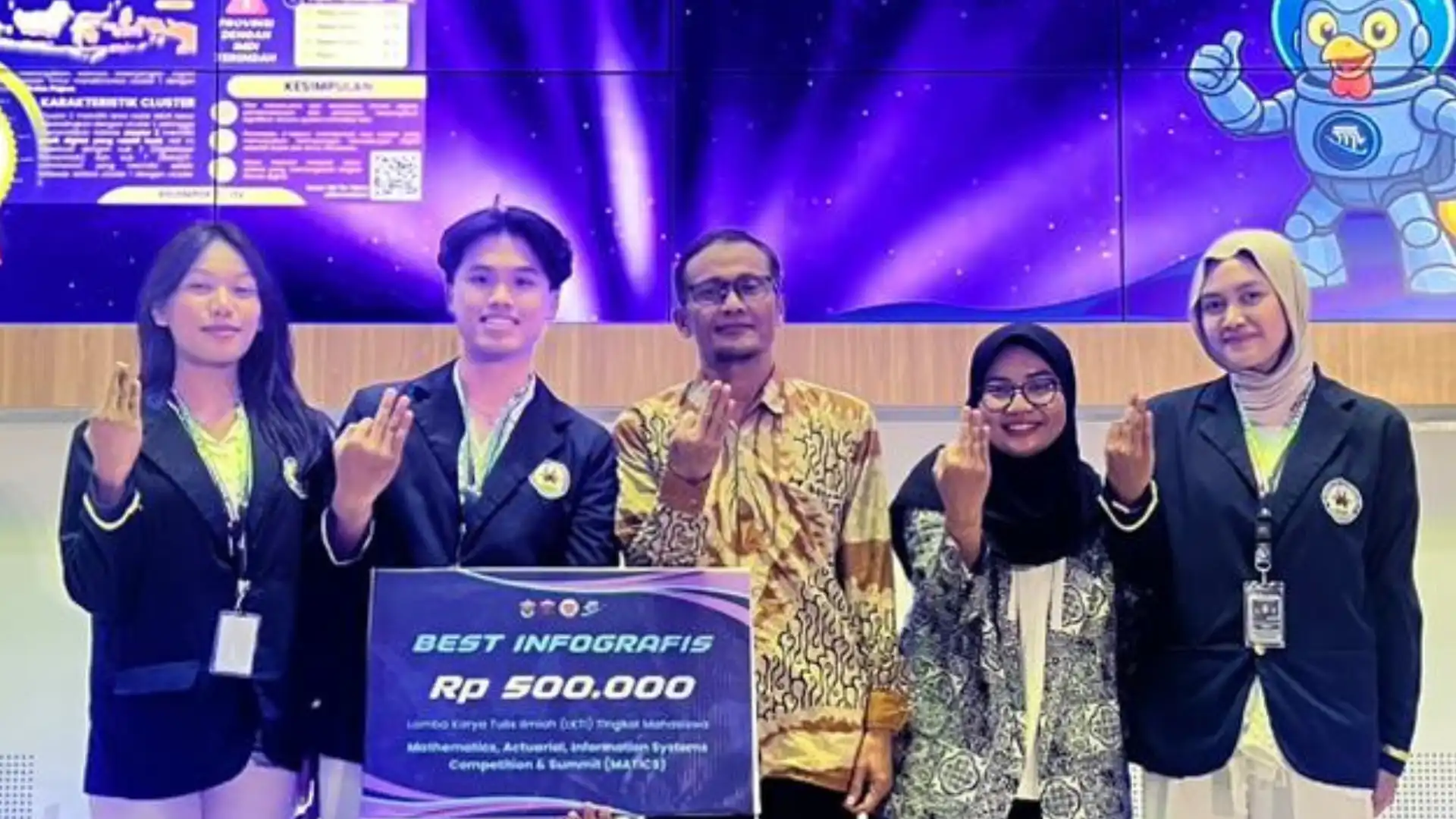
ITK Statistics Students Win Best Infographic Award at MATICS Universitas Hasanuddin
Best Infographic Award at MATICS Universitas Hasanuddin
 Alumni
Dandy Saputra’s Career Journey to Becoming a Site Readiness Supervisor in Upstream Energy
 Research and Community Service
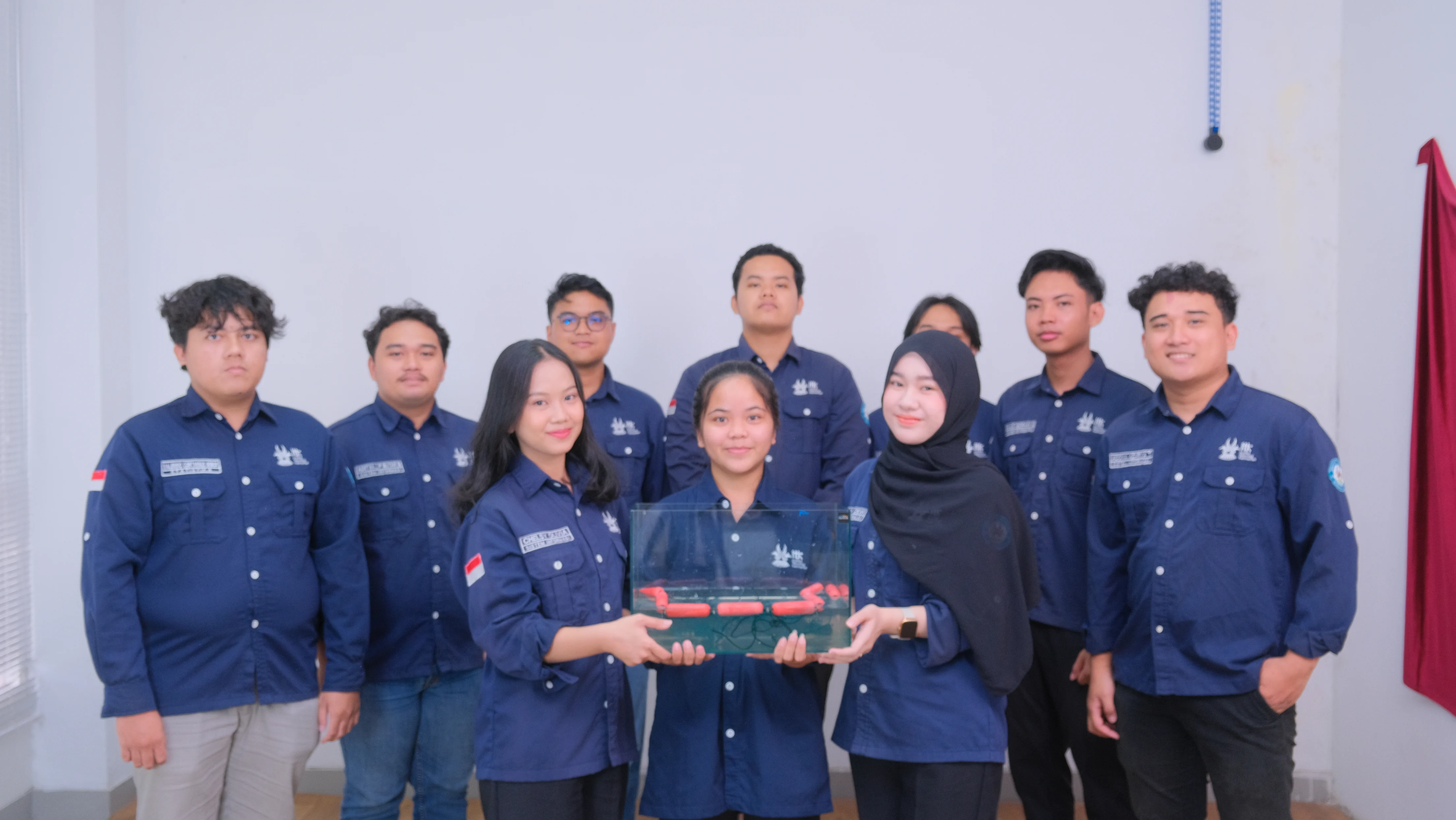
SPI Empowerment-Based Trash Boom: ITK’s Innovation for Sustainable Coastal Waste Management
The SPI empowerment-based Trash Boom program by Institut Teknologi Kalimantan delivers a simple and sustainable innovation to tackle coastal waste through appropriate technology and strengthened coastal community capacity.