Detail Berita
AI: A Shortcut or a Path to Learning?: Reflections on Student Learning in the Artificial Intelligence Era
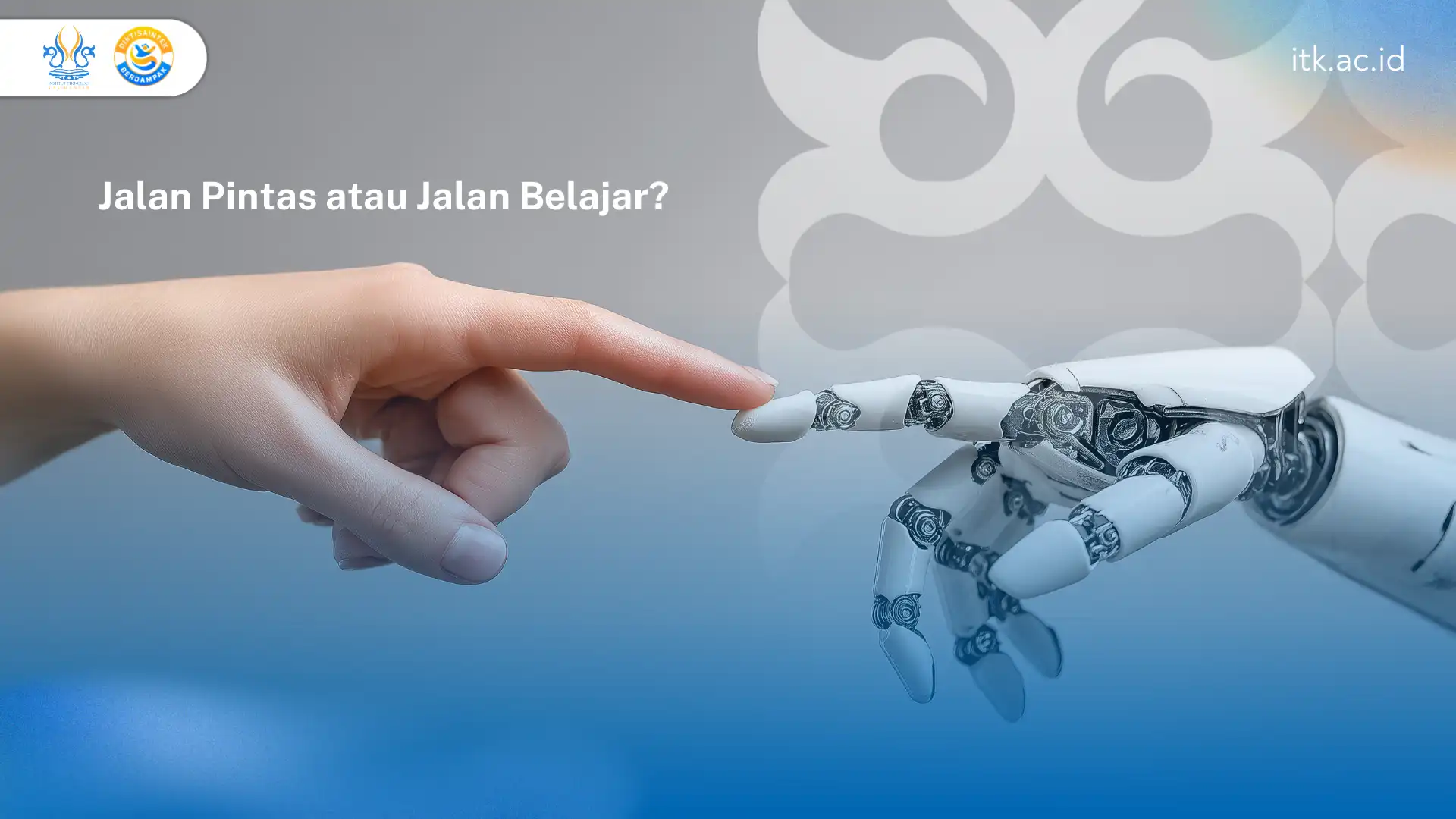
Isi Artikel
Balikpapan - ITK Lecturer Emphasizes Awareness of Learning Processes and Internal Competencies. The development of artificial intelligence technology has brought significant changes to students’ learning patterns in public universities. The increasing use of Large Language Models (LLMs) requires students not only to utilize technology effectively but also to understand their learning objectives and processes reflectively. This perspective was conveyed by Agus Rifani, a Physics lecturer at Institut Teknologi Kalimantan, in his view on learning in the digital era.
According to him, the first step in the learning process is recognizing one’s needs as a learner, such as mastering competencies, understanding course material, seeking feedback, or engaging in academic discussions. The use of AI technology should be directed toward these needs so that it serves not merely as a tool for obtaining answers, but as support for critical thinking and the development of understanding.
He explained that effective learning does not always occur quickly or without mistakes. Errors are an essential part of building students’ internal competencies. By attempting, evaluating, and reflecting on mistakes, students can deepen their conceptual understanding. In this context, AI technology can be used to test comprehension, provide critique, or evaluate responses, rather than simply delivering instant solutions.
Furthermore, the shift toward increasingly autonomous AI systems demands that students develop higher-order thinking skills. The ability to filter information, provide perspective, and evaluate outcomes is becoming increasingly important. Strengthening metacognitive awareness is also necessary so that students do not merely recall information, but understand the learning processes they undergo.
It is equally important for students to continuously train foundational skills such as critical reading, analytical writing, and participation in collaborative activities or field experiments. These real-world experiences cannot be replaced by technology, as they shape social and professional competencies. At the same time, digital literacy including prompt engineering and the use of AI models for personalized learning remains a relevant skill in today’s environment.
In conclusion, he emphasized that students must cultivate the mindset of lifelong learners who consciously and strategically manage knowledge. Higher education is not only about completing academic requirements, but also about building intellectual character capable of adapting to change. By balancing direct experience with technological utilization, students are expected to grow into critical, reflective individuals ready to face future challenges.
Isi Artikel
Berita Terpopuler
Research and Community Service
Academic Programs
Tags
University Student Education Research ResearchTags
University Student Education Research ResearchBerita Terpopuler
Research and Community Service
Academic Programs
Berita Terbaru
 Academic Programs
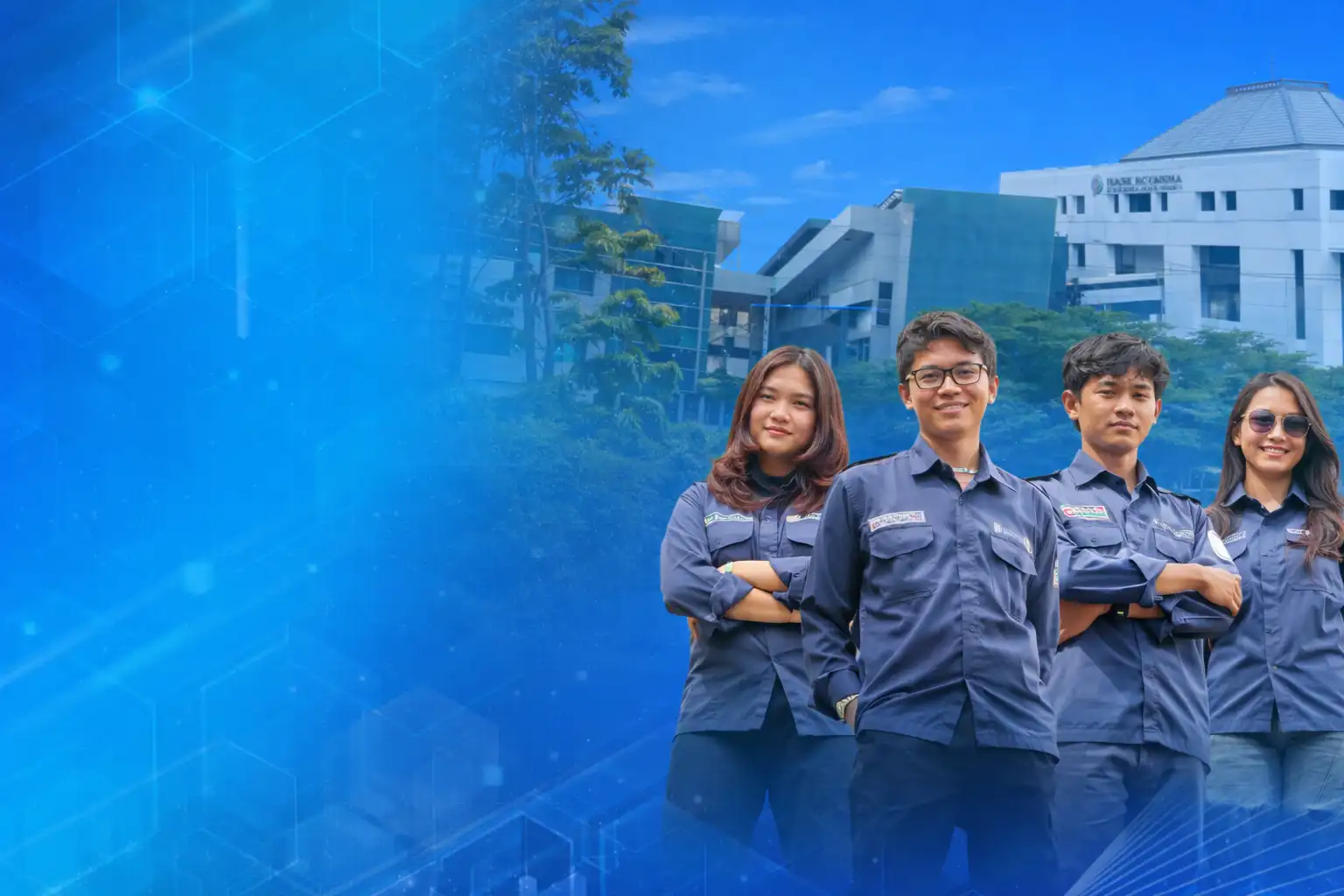
The 2026 ITK Central Banking Education Program is Officially Open
 Diktisaintek Berdampak
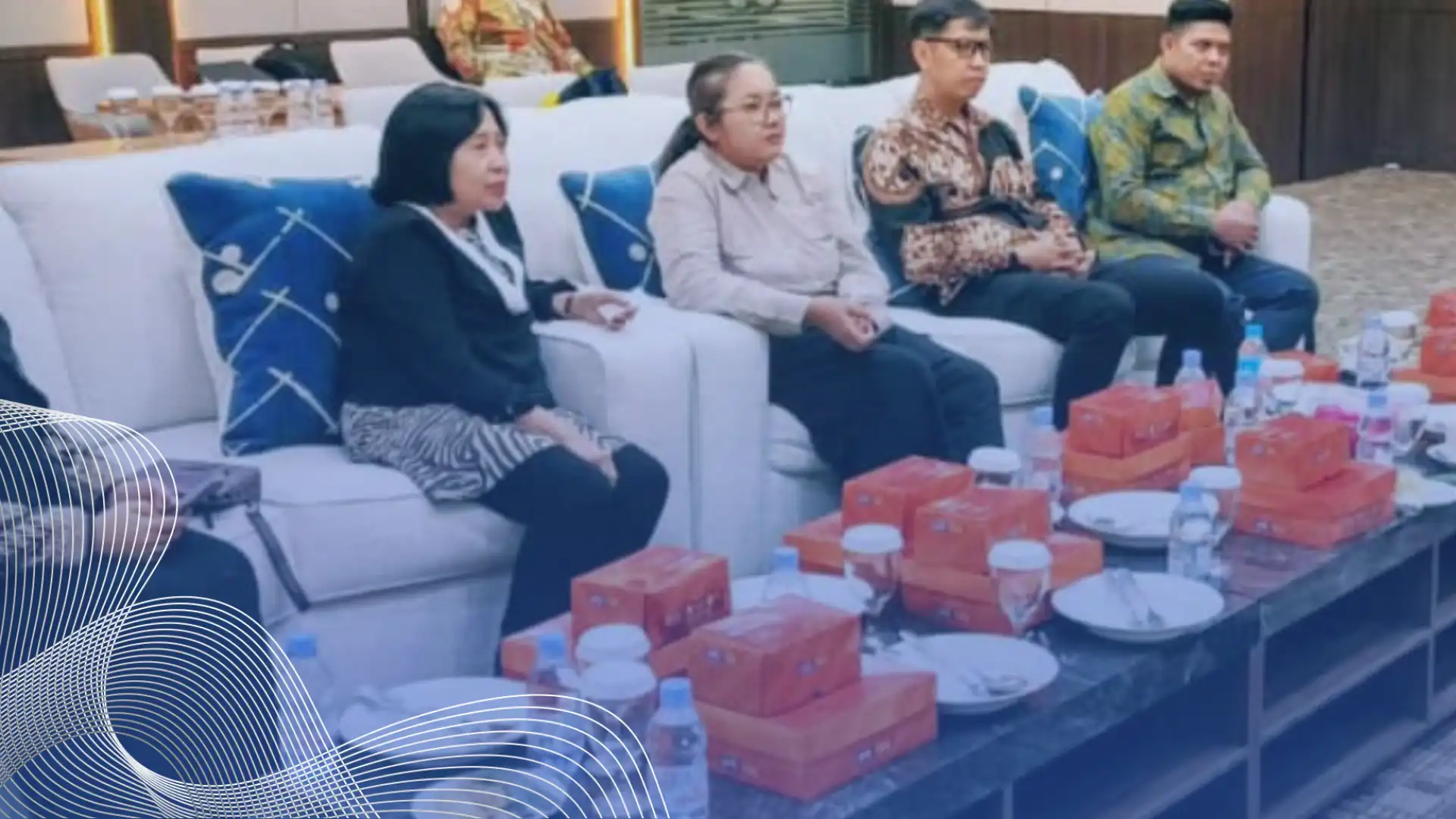
ITK Vice Rector for Academic Affairs and Head of IBT Attend the Ministry of Trade’s Campuspreneur Program
 News
News
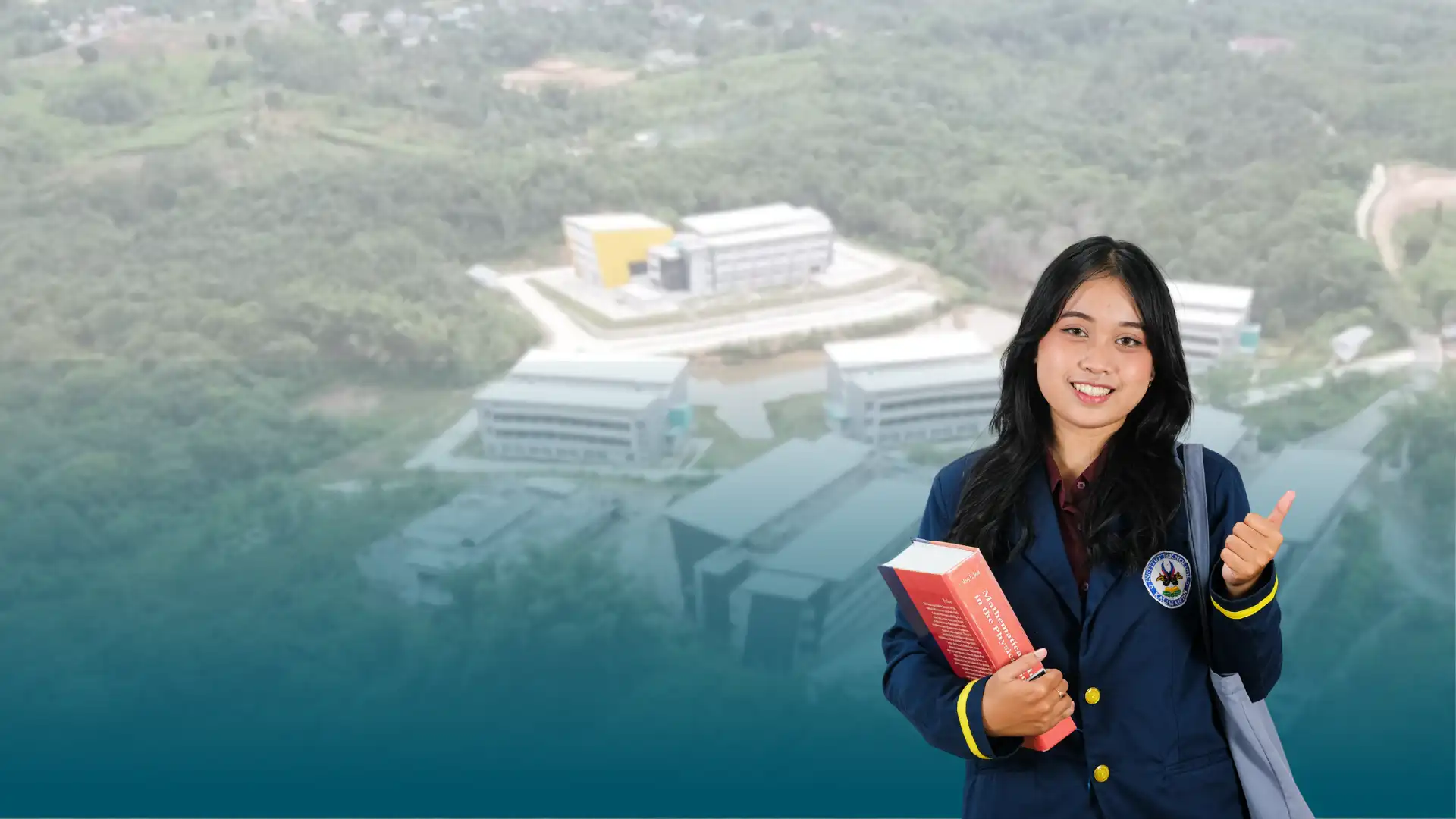
ITK Opens 25 Study Programs with 1,307 Seats in the 2026 SNBT-UTBK
ITK Opens 25 Study Programs SNBT-UTBK 2026