Detail Berita
Harnessing the Potential of Rural Rivers through Archimedes Screw Turbines for Sustainable Electricity Generation

Isi Artikel
Indonesia's demand for electricity continues to grow alongside population increase, economic activities, and technological advancement. Despite this rising demand, fossil fuels still dominate the nation's energy supply. This situation underscores the need for the development of sustainable renewable energy sources, particularly for rural areas that have limited access to the main electricity grid.
One renewable energy source with significant yet underutilized potential is hydropower. Many rivers in rural regions have relatively high and stable flow rates throughout the year, despite having a low hydraulic head. These characteristics make low-head river flows a promising resource for small-scale power generation technologies.
Recognizing this potential, a research team conducted a study entitled “Design and Development of an Archimedes Screw Turbine Prototype for Low-Head Hydropower Flow in Batu Kajang Village, Paser Regency.” The study aims to design and develop an Archimedes screw turbine prototype tailored to the river flow characteristics of Batu Kajang Village, Batu Sopang District, Paser Regency, East Kalimantan.
The Archimedes screw turbine was selected because it can operate effectively under low-head conditions with relatively large flow rates. Unlike conventional turbines, which generally require significant differences in water elevation, this turbine can directly harness the energy of flowing water through a simpler and more environmentally friendly design.
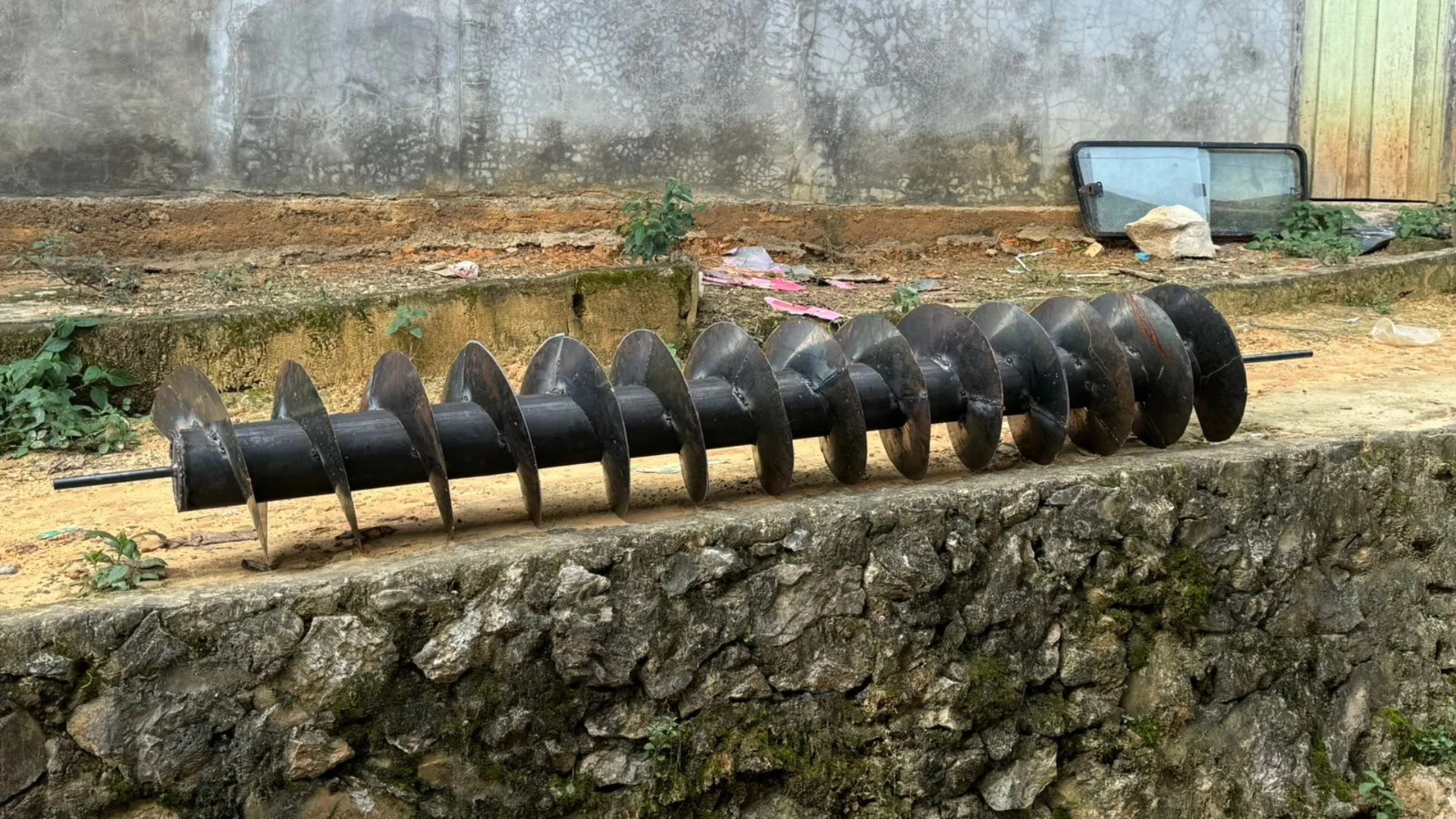
During the fabrication process, the turbine prototype was constructed using metal plates cut according to blade geometries determined through the design calculations. The plates were then shaped and welded to form the screw structure, which serves as the turbine’s main component. This fabrication method was chosen because it is relatively simple, easy to implement, and can potentially be manufactured using equipment commonly available in local areas.
The study focuses not only on prototype development but also on analyzing how different turbine configurations affect performance. Testing was conducted on both single-screw and double-screw turbine designs, with variations in blade pitch and turbine inclination angle, to determine the configuration capable of producing the highest mechanical power output.
Through this research, the team hopes that Archimedes screw turbine technology can become a viable renewable energy solution suited to the geographical conditions of rural Indonesia. In addition to utilizing locally available natural resources, this technology offers a power generation system that is simpler, more cost-effective, and easier to replicate.
The development of the Archimedes screw turbine in Batu Kajang Village demonstrates that low-head rivers, which have often been overlooked, possess significant potential to support community energy independence. With the right innovation, river flows can become more than just part of the rural landscape—they can serve as a sustainable source of clean energy for the future.
Isi Artikel
Berita Terpopuler
Research and Community Service
Research and Community Service
Tags
Research InovationTags
Research InovationBerita Terpopuler
Research and Community Service
Research and Community Service
Berita Terbaru
 Diktisaintek Berdampak
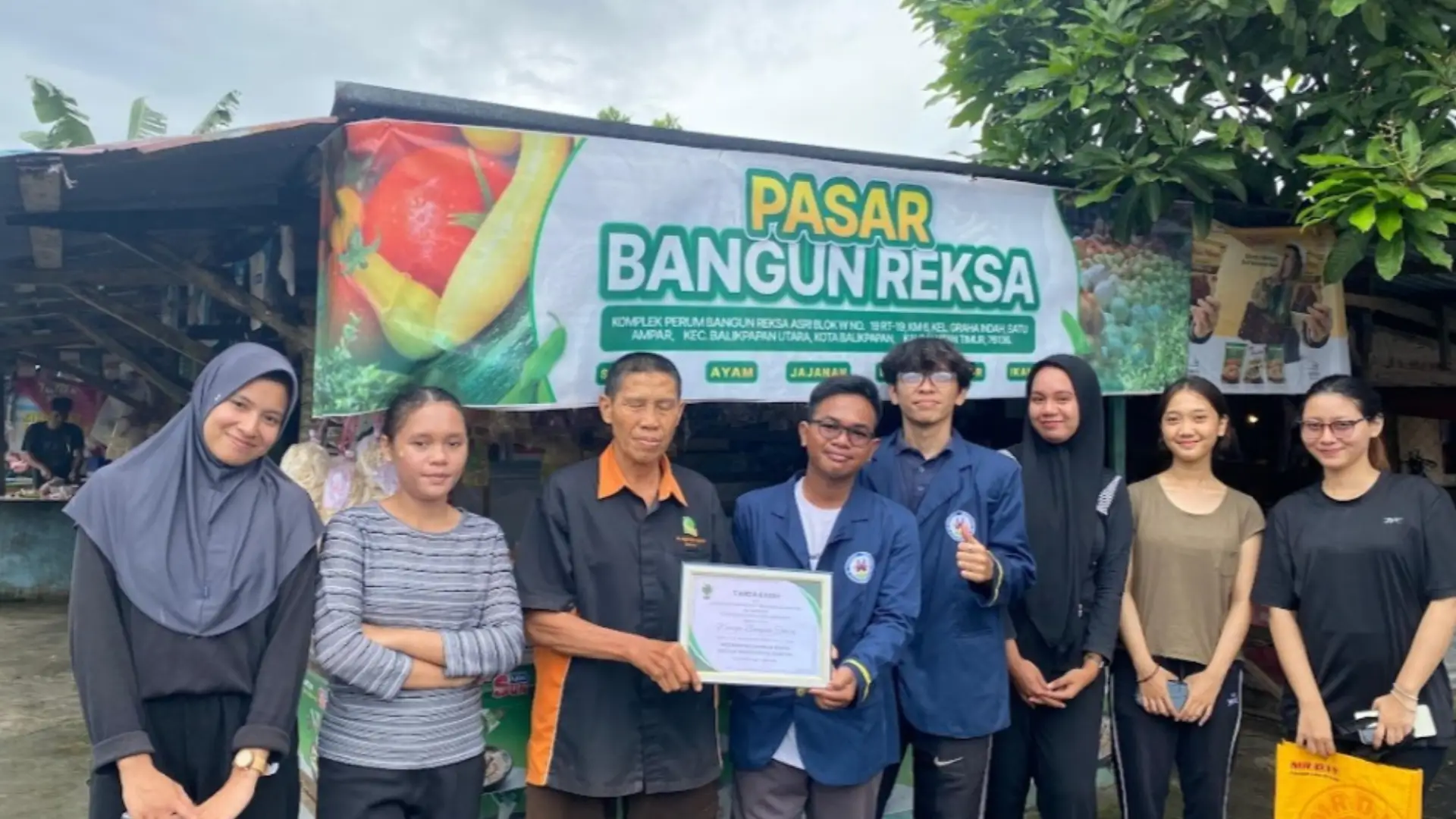
Impact Trail: Learning Through Service and Growing with the Community at Pasar Bangun Reksa
Dari Pasar Bangun Reksa, Mahasiswa ITK Menemukan Makna Pengabdian
 Announcement
PGTC 2026 Offers National Competitions and International Opportunities
 Achievement
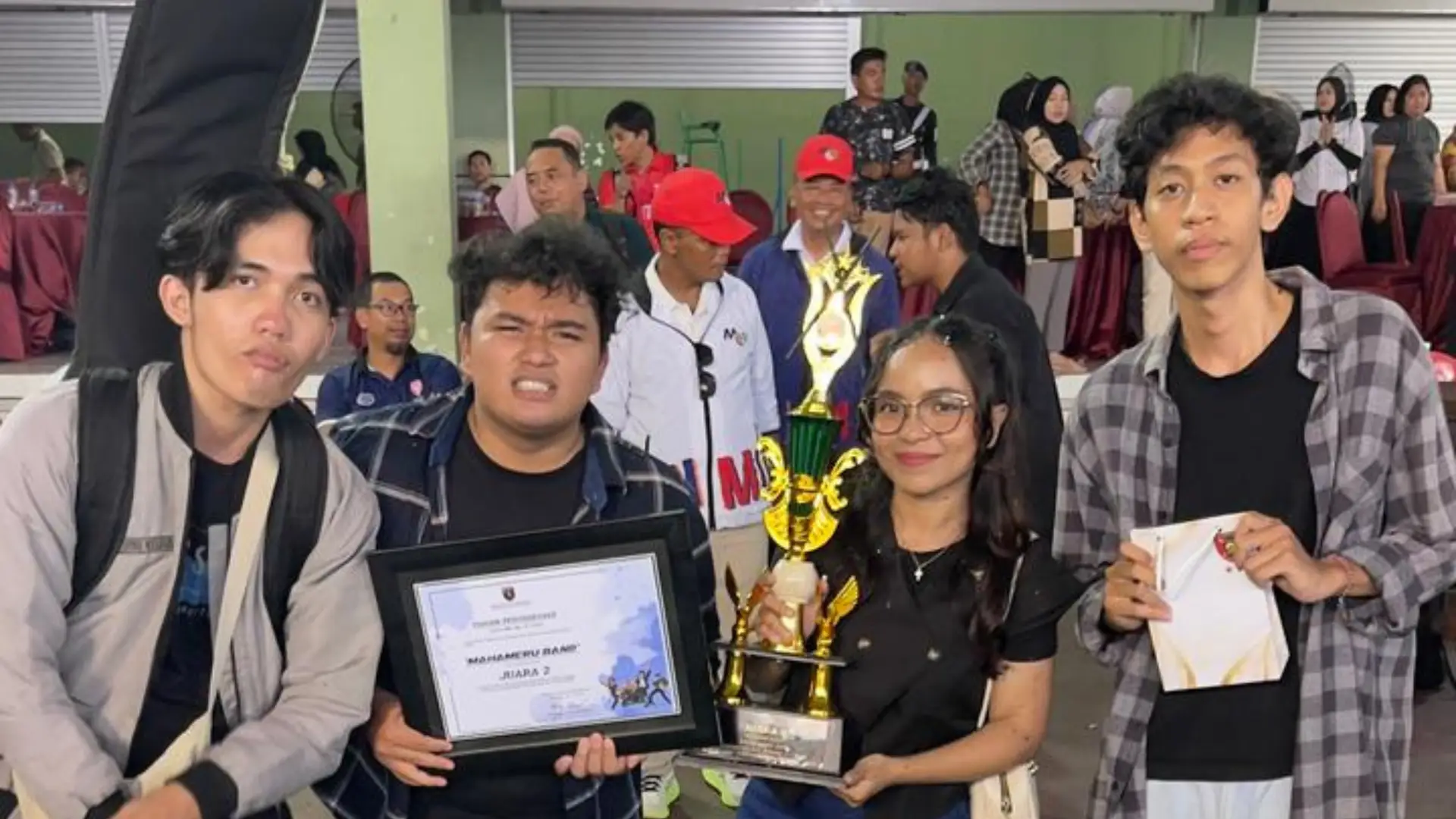
Mahameru Band ITK Secures Second Place at the 2026 Kodam Band Festival