Detail Berita
Eco-Friendly Solder Revolution: Tin-Zinc Solder for the Future of Indonesia’s Electronics Industry
Isi Artikel
Hidden Threats Behind Electronic Components
What if the tiny material that binds millions of electronic components together turns out to be a source of long-term health risks? The use of lead-based solder (Sn–Pb) presents a dilemma between performance and sustainability. Amid the suboptimal implementation of RoHS regulations in Indonesia, developing lead-free solder alternatives is no longer an option—it is an urgent necessity.
Global Challenges and National Urgency
The use of lead-containing solder has been globally restricted under the RoHS regulation since 2006 due to its health and environmental risks. However, Indonesia has not yet fully implemented these standards. As the demand for environmentally friendly electronics continues to grow, the development of lead-free Tin-Zinc Solder has become both crucial and strategic.
Collaborative Research for Future Material Solutions
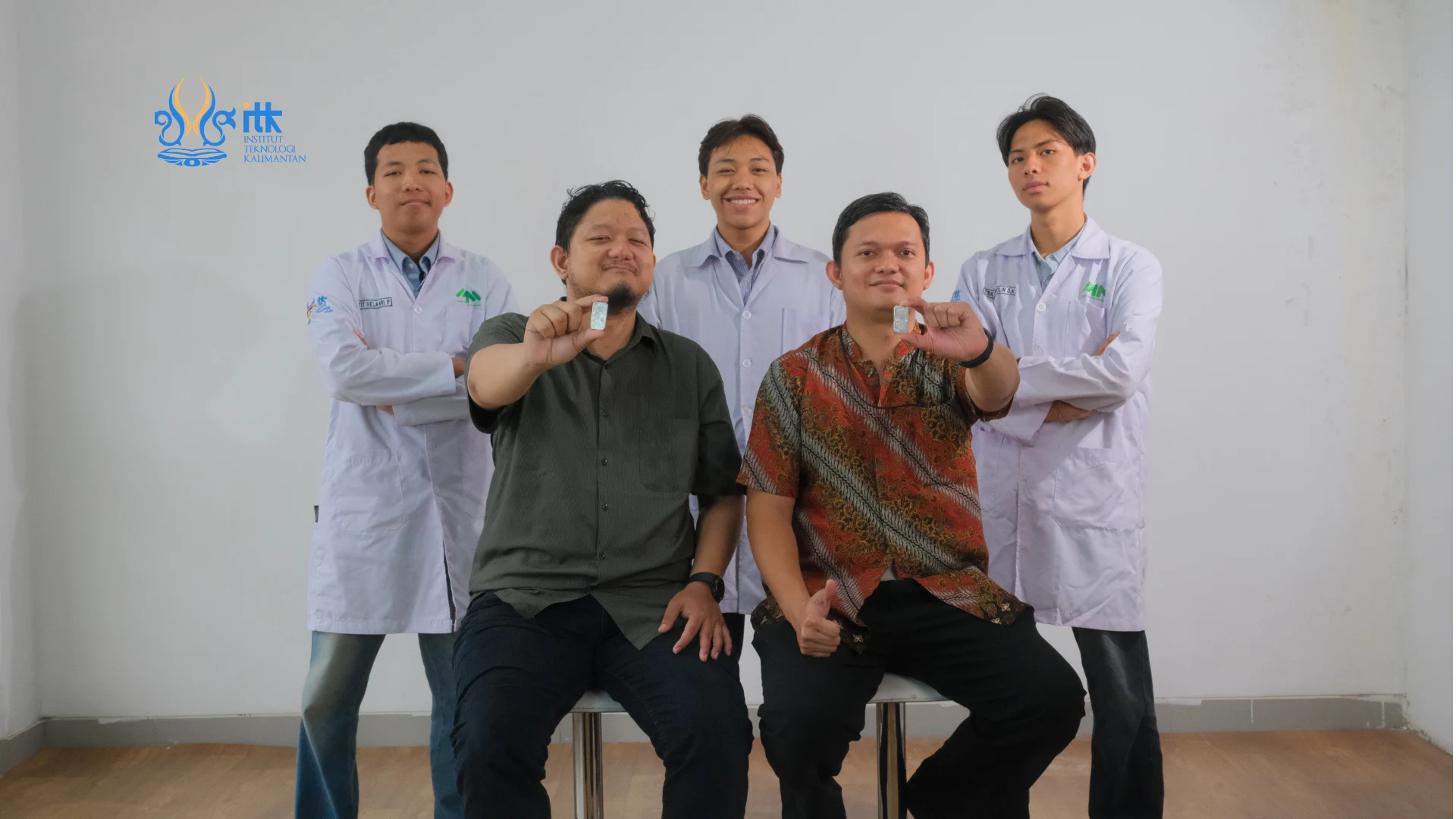
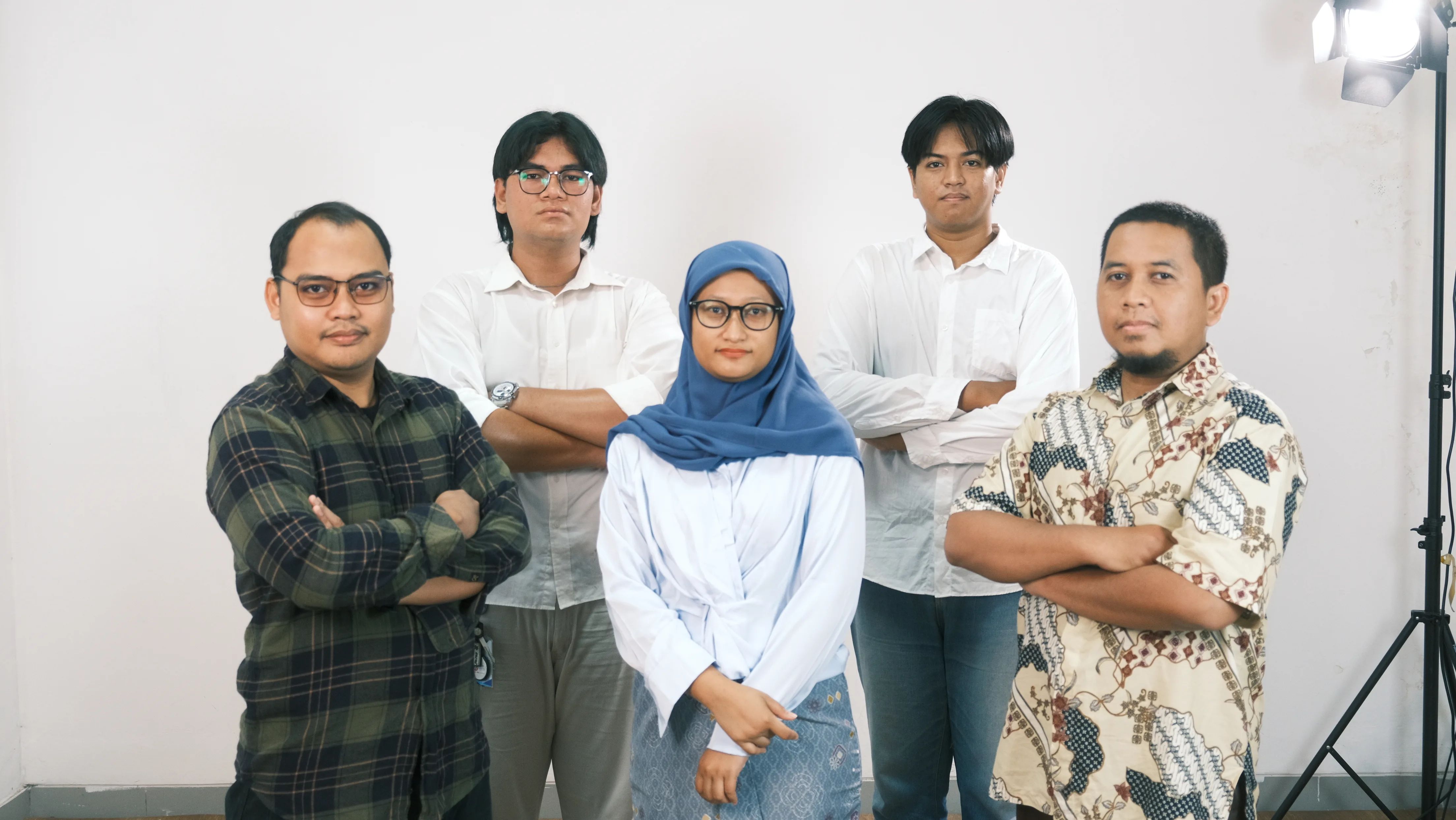
The research led by Andromeda Dwi Laksono, S.T., M.Sc., Ph.D., in collaboration with Dr. Eng. Lusi Ernawati, M.Sc., Kharis Sugiarto, S.T., M.T., Muhammad Ramanda Putra, Devit Velanri Putra, Nurkholis Majid, Muhammad Mahessa Ajibasa Syaiban, Muhammad Fajar Rivaldi, and Maulana Ibrahim focuses on developing lead-free solder based on Sn–Cu–Zn–Ag alloys for the national electronics industry.
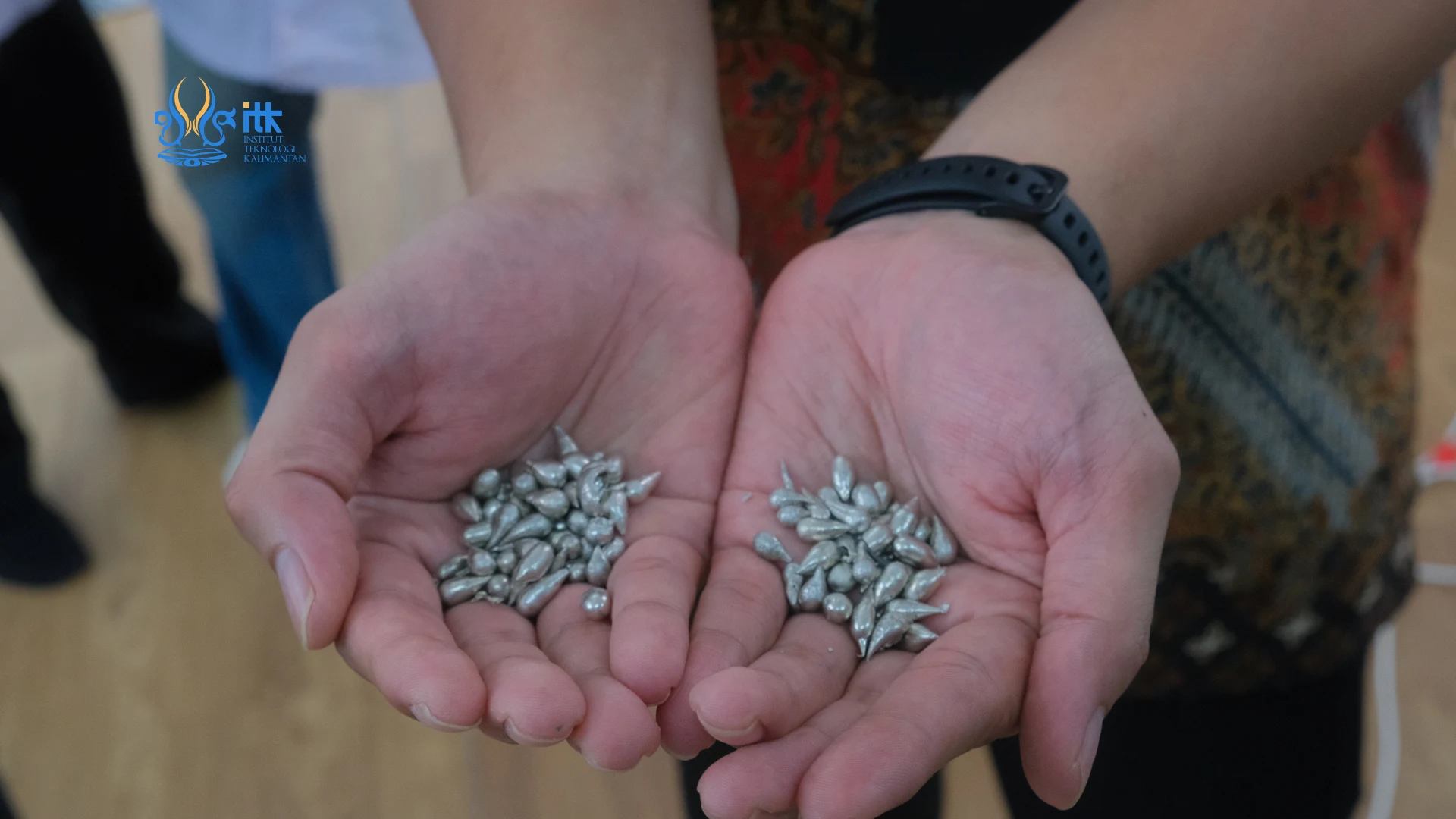
The controlled addition of Zn and Ag elements is designed to reduce the melting point, improve microstructure, and maintain mechanical and electrical performance for modern electronic assembly applications.
Reliable Performance, Ready for Industrial Application
Various compositions of Tin-Zinc Solder were tested through density, hardness, microstructure, thermal, and electrical evaluations. The results show that Tin-Zinc Solder achieves hardness up to 19 HV, a melting point of 199.27°C, and good wettability on copper PCB surfaces. These characteristics indicate that the material is ready for application and has strong potential to enhance the competitiveness of Indonesia’s electronics industry through environmentally friendly technology.
Toward a More Sustainable Electronics Industry
Through the development of Tin-Zinc Solder, this material innovation demonstrates how engineering research can address health, environmental, and industrial challenges simultaneously. It is time to accelerate the adoption of safer and more sustainable materials—so that the technology we rely on today does not become a burden for future generations.
Isi Artikel
Berita Terpopuler
Research and Community Service

Tags
Research Innovation Student ResearchTags
Research Innovation Student ResearchBerita Terpopuler
Research and Community Service
Berita Terbaru
 Announcement
BICAME 2026 Officially Opens Call for Papers
 Announcement
Preparation for UTBK-SNBT 2026 at Institut Teknologi Kalimantan
 Alumni
ITK Engineer Muhammad Dipo Nugroho Drives Impact Through Governance and Integrity