Detail Berita
Breaking the Natural Limits of Turmeric: Cold Plasma Technology for Accelerating the Diffusion of Bioactive Compounds
.webp)
Isi Artikel
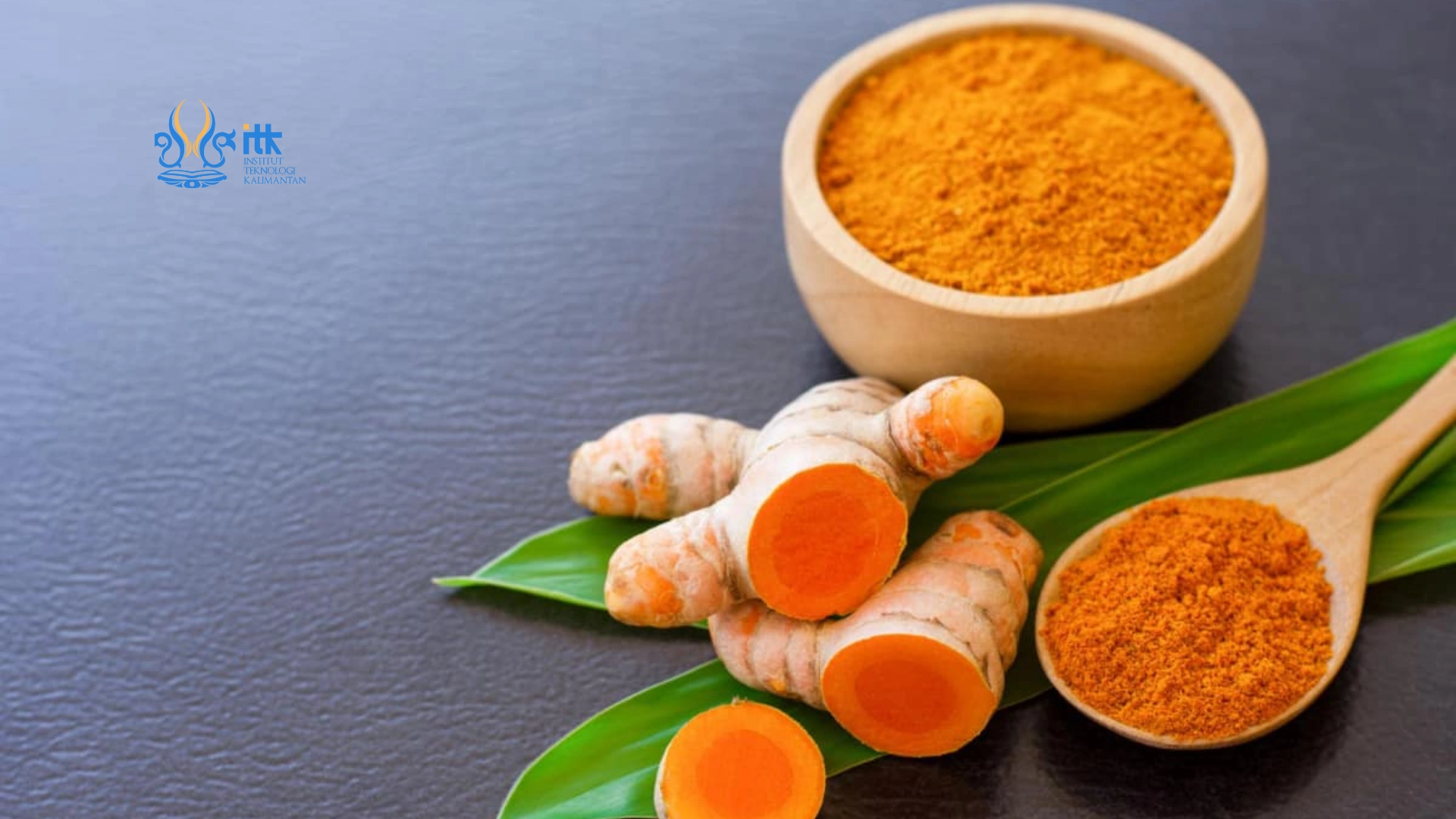
What if active compounds from herbal plants like turmeric could be extracted faster, more efficiently, and without excessive heat—using an almost invisible “cold fire”? Dian Mart Shoodiqin introduces cold plasma technology as an innovative solution capable of accelerating the extraction process without compromising the quality of natural ingredients.
Toward Eco-Friendly Extraction
In recent years, global trends have shown increasing interest in more efficient, environmentally friendly, and sustainable methods for natural material extraction. Techniques that avoid chemical solvents and excessive heating have become the main focus for researchers in the fields of food and health. Responding to this challenge, Dian Mart Shoodiqin has developed research on cold plasma technology, particularly the Dielectric Barrier Discharge (DBD) type. However, in Indonesia, the application of this technology to functional materials such as turmeric (Curcuma longa) remains limited and requires further development.
A Mini Lightning That Transforms Natural Materials
DBD-type cold plasma works like a “mini lightning bolt” capable of altering the surface properties of materials without causing significant temperature increases. When applied to turmeric powder, plasma exposure creates great potential to enhance the solubility of active compounds in water—without the need for chemical solvents or heating processes that could damage bioactive quality. Through his research, Dian demonstrates that cold plasma can become a safer, faster, and more efficient extraction technology.
Direct Impact on the Food and Health Industries
The modification of functional groups by plasma makes turmeric more soluble and more “water-friendly.” As a result, the material becomes easier to process for applications in the food and health industries, especially in the production of herbal beverages and natural supplements. This technology is also energy-efficient and can be developed using local resources, strengthening national innovation independence in natural material technology.
Looking Ahead: Cold Plasma for Innovation and Independence
Cold plasma is not merely a sterilization tool, it is a gateway to smarter and more sustainable innovations in natural material processing. With continuous research and development, this technology holds great potential to support Indonesia’s technological sovereignty and improve public health in the future.
Isi Artikel
Berita Terpopuler
Research and Community Service

Tags
Research InovationTags
Research InovationBerita Terpopuler
Research and Community Service
Berita Terbaru
 Achievement
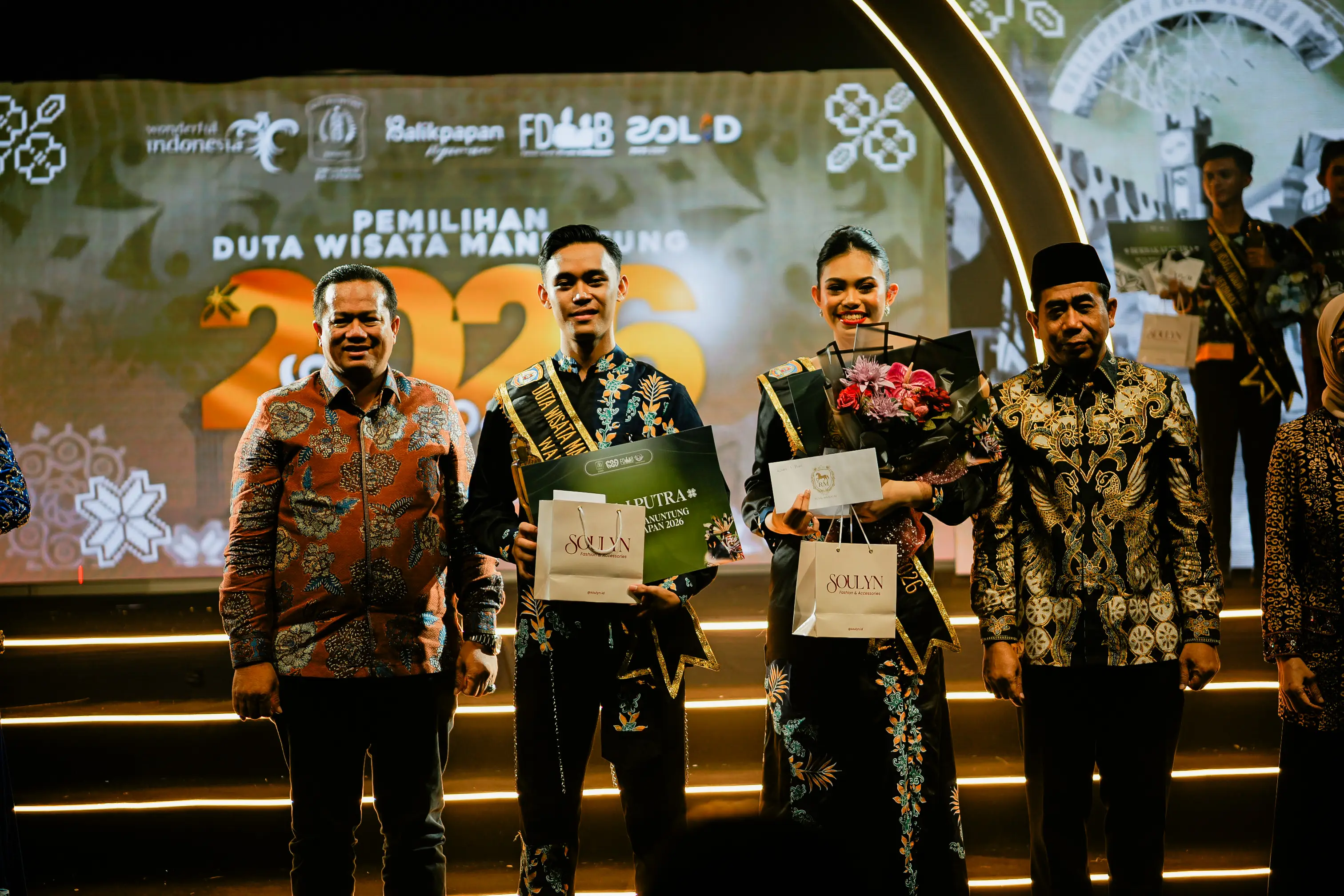
ITK Actuarial Science Student Named 1st Runner-Up Putri Duta Wisata Manuntung Balikpapan 2026
 Academic Programs
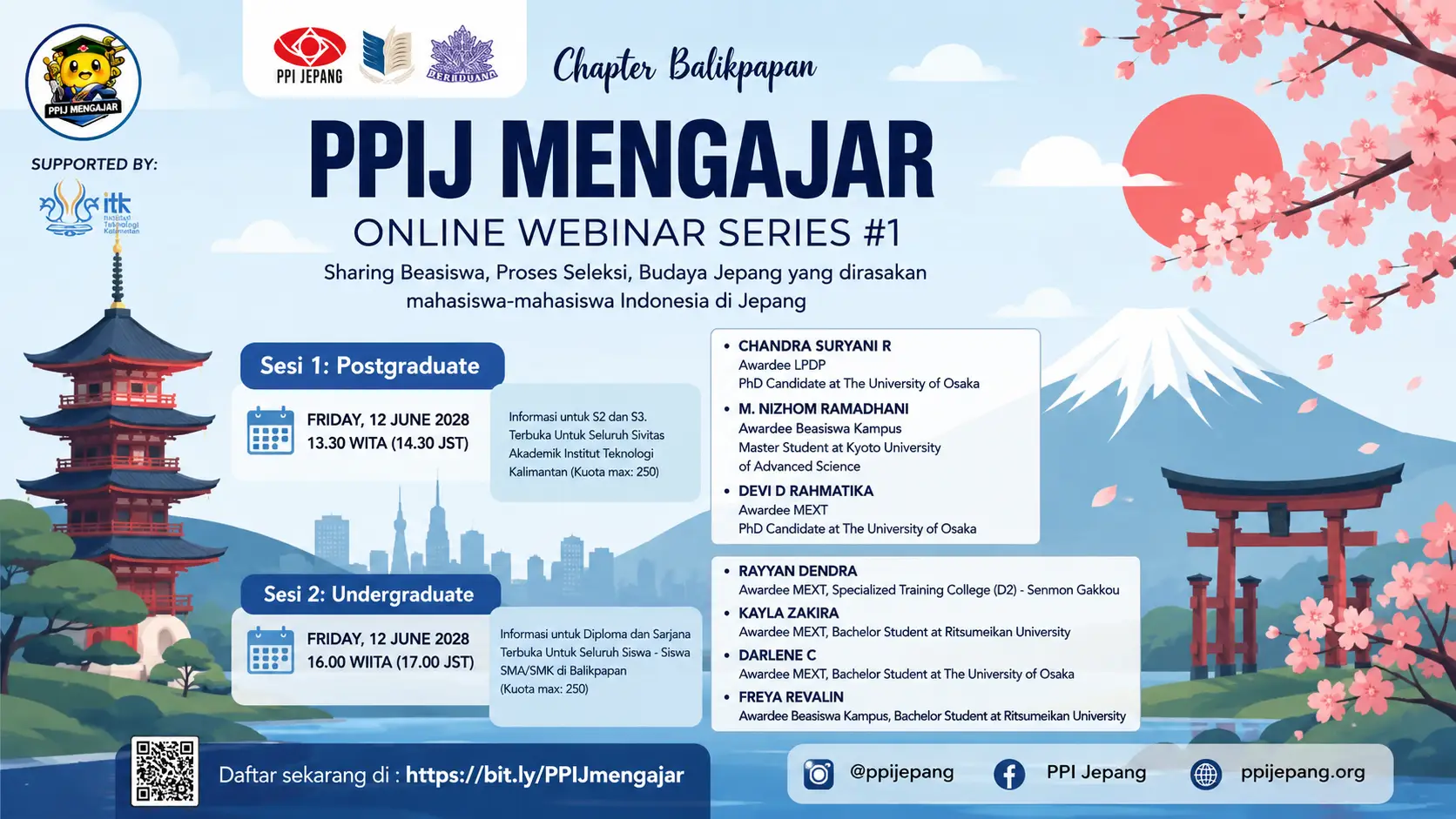
PPIJ Mengajar 2026 Chapter Balikpapan Bridges ITK Students to Global Education
 Diktisaintek Berdampak
Ryan, ITK Digital Business Student, Optimizes Digital Publications at DLH Balikpapan