Detail Berita
Converting Kepok Banana Peels into Electricity: Supercapacitor Innovation from Waste
.webp)
 (1).webp)
Isi Artikel
Who would have thought that kepok banana peels, which appear to be useless waste, could be transformed into electricity. It does not require expensive technology; simply by converting them into activated charcoal, electricity can be generated in a prototype called a supercapacitor.
Why Kepok Bananas in East Kalimantan Could Be a Problem?
The high number of banana plants in East Kalimantan leads to an increase in banana peel waste from the harvest. This is further supported by the East Kalimantan Provincial Government's program for planting a thousand grecek kepok banana seedlings, making the use of kepok banana peels as the primary raw material for supercapacitors a fitting alternative.
Supercapacitors: The Battery of the Future, A Solution to Two Environmental Issues!
In line with the issue of increasing kepok banana peel waste, the supercapacitor prototype is an appropriate solution to overcome this problem.
The supercapacitor prototype is an advanced development of the commonly used lithium-ion battery. The fundamental difference between the two lies in the significantly superior performance of the supercapacitor.
The positive impacts of this innovation on the community are twofold:
- Reducing kepok banana peel waste.
- Reducing lithium battery waste because people can switch to using supercapacitors. Lithium-ion battery waste itself is hazardous (B3) waste that is very dangerous to the environment.
Another interesting fact is that supercapacitors have a longer lifespan than lithium-ion batteries.
Green the Environment, Utilize the Waste!
Kepok banana peel waste proves itself to be a hidden source of electrical energy. Let us create a green environment with superior innovations.
Isi Artikel
Berita Terpopuler
Research and Community Service
Tags
Research InovationTags
Research InovationBerita Terpopuler
Research and Community Service
Berita Terbaru
 Diktisaintek Berdampak
ITK Lecturer Serves as International Guest Lecturer and Drives Impactful Collaboration
 Achievement
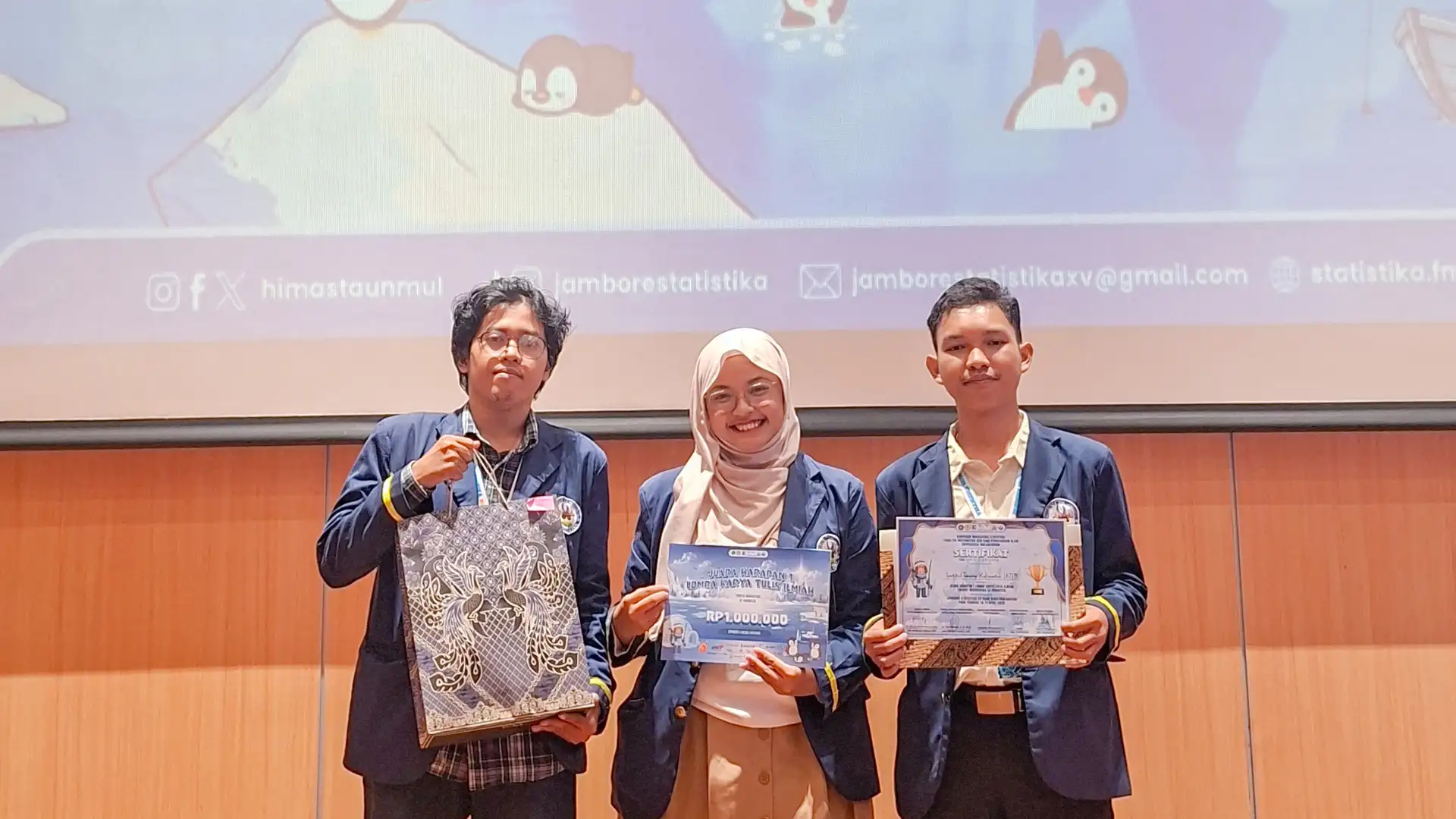
ITK Students Win at the 15th Statistics Jamboree 2026, Promoting SPKLU Solutions in Balikpapan
ITK Students Win at the 15th Statistics Jamboree 2026
 Diktisaintek Berdampak
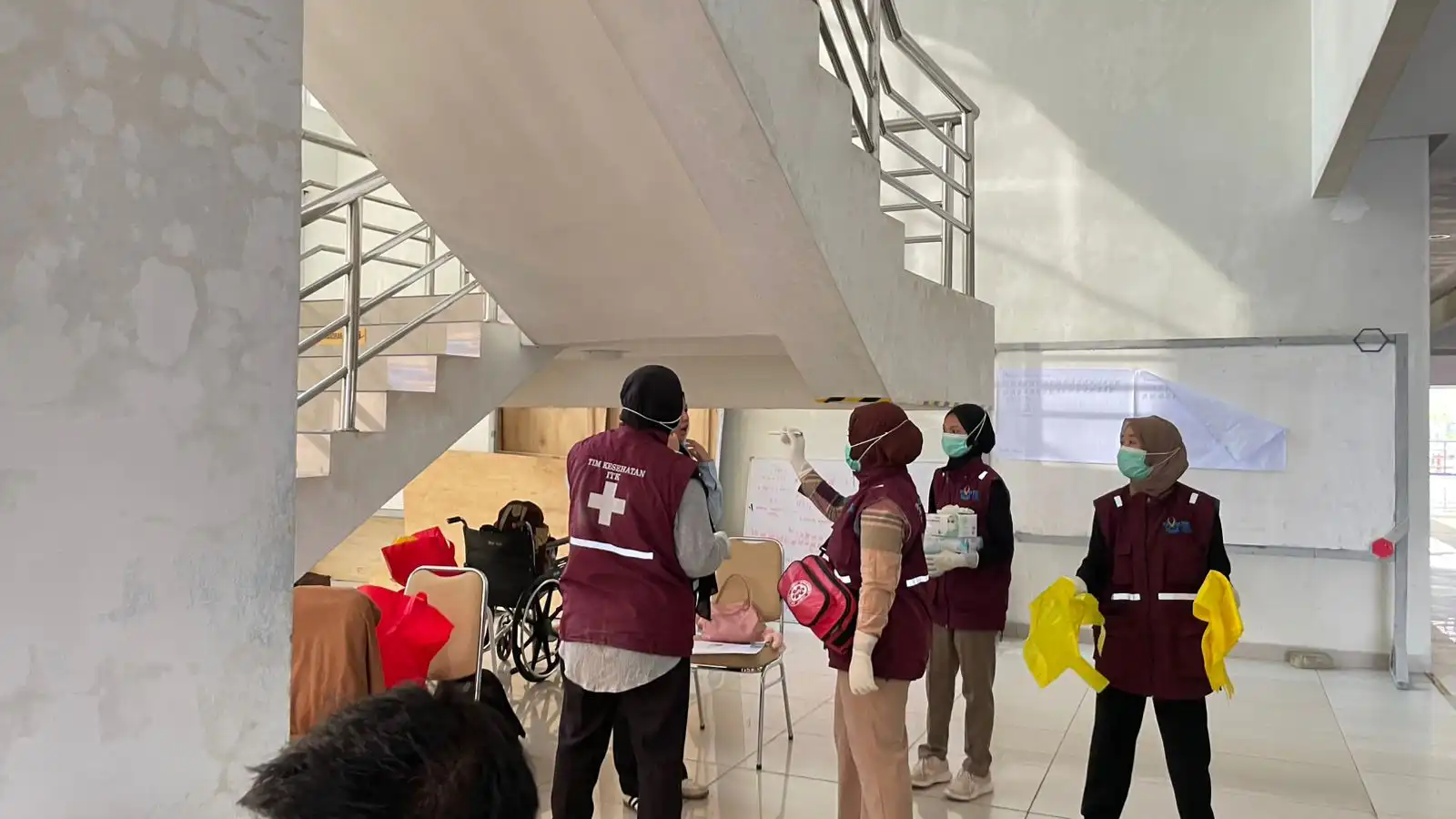
UTBK 2026 at ITK Officially Concludes, Health Services and Inclusivity Ensure Smooth Examination
Health Services and Inclusivity Ensure Smooth Examination UTBK ITK