Detail Berita
As the World Faces an Energy Crisis, Could Materials Derived from Indonesia’s Minerals Be the Answer?
Isi Artikel
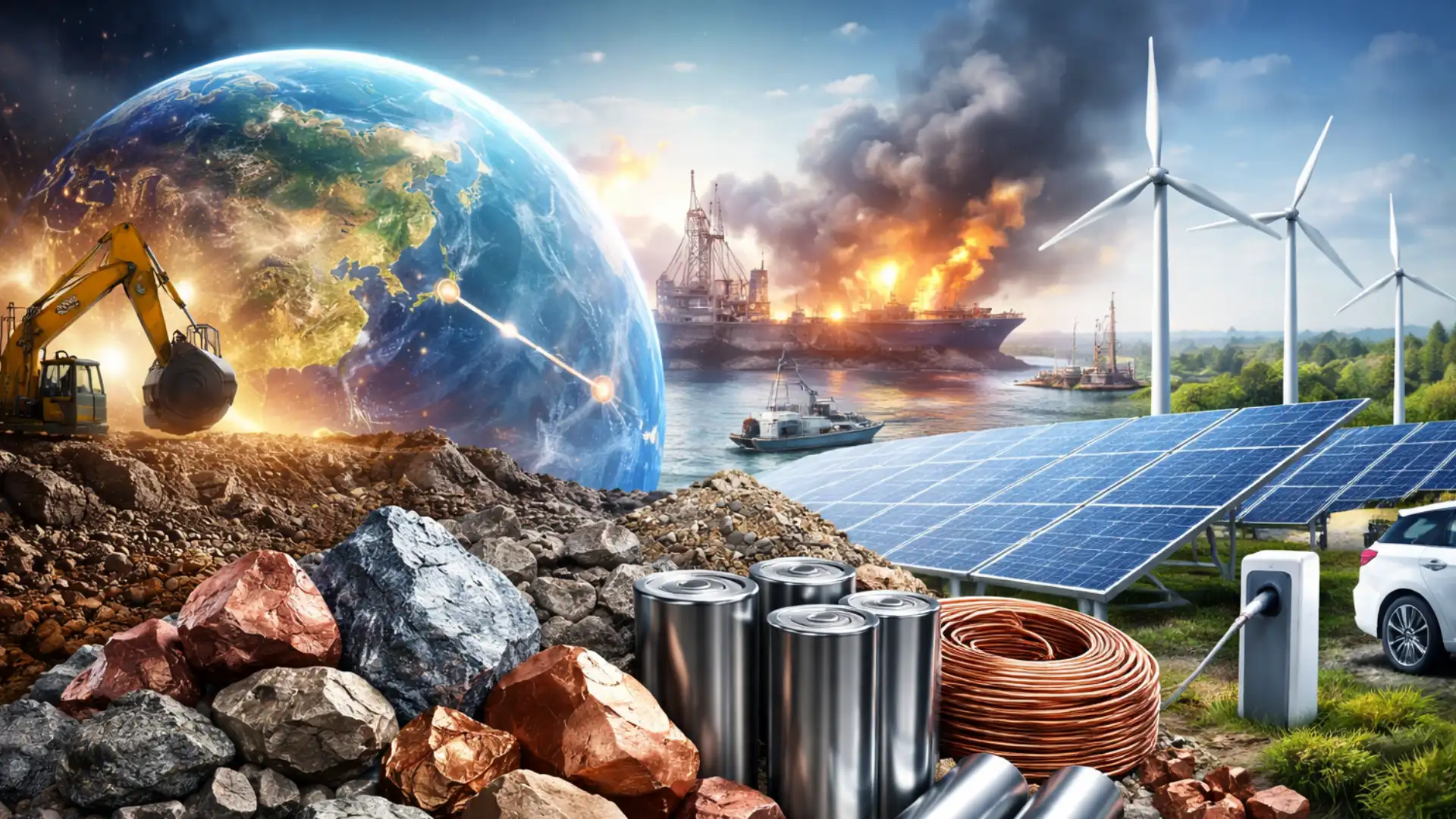
The global energy crisis has once again come under the spotlight. Escalating geopolitical tensions in the Middle East, which have affected shipping through the Strait of Hormuz, have raised concerns over the global oil supply. The route has long been recognized as one of the world’s most critical energy distribution corridors. When its flow is disrupted, the impact is felt not only by oil-producing countries, but also by nations that still depend heavily on fossil fuels, including Indonesia.
Amid this situation, the government has affirmed that Indonesia’s fuel reserves remain secure in the short term. Even so, this condition serves as a reminder that national energy security cannot continue to rely solely on oil. As the world faces the threat of supply disruptions, Indonesia needs to look at the opportunities it has, particularly through the utilization of its mineral resources to support the energy transition.
From the perspective of Materials and Metallurgical Engineering, this situation is not only a challenge, but also a strategic momentum. The energy crisis shows that the future cannot rely merely on the availability of oil reserves, but also on a country’s ability to process natural resources into high-value materials and technologies. In this context, Indonesia holds significant potential.
Indonesia is widely known for its abundance of strategic minerals such as nickel, copper, bauxite, and tin. So far, these resources have often been viewed primarily as mining commodities and raw export materials. In fact, from the perspective of materials science, these minerals play a crucial role in the development of future energy technologies. Nickel, for instance, is an essential component in the supply chain of electric vehicle batteries. Copper is indispensable in electrical systems and energy networks due to its high conductivity. Meanwhile, aluminum derived from processed bauxite plays an important role in technologies that require materials that are lightweight, strong, and corrosion-resistant.
This shows that the strategic value of Indonesia’s minerals does not stop at what lies beneath the ground, but extends to how far these minerals can be processed into functional materials that support sustainable energy systems. In this regard, Materials and Metallurgical Engineering plays a vital role. This field is not only concerned with metals and mining processes, but also with how materials are engineered to possess specific characteristics that meet technological needs.
In the development of new energy technologies, the role of materials engineering is extensive. Advanced materials are needed to improve the efficiency of solar panels, extend battery lifespan, develop energy storage systems, and create catalysts for clean energy processes. Therefore, the energy transition is not only about shifting from fossil fuels to renewable energy, but also about ensuring the readiness of the materials that support those technologies.
For that reason, discussions on energy security should not stop at oil and gas alone. Indonesia needs to recognize that future energy independence depends greatly on its ability to build a strong domestic materials and metallurgical industry. If minerals are sold only in raw or semi-processed forms, the greatest added value will be enjoyed by others. On the other hand, if these minerals are processed further into battery materials, energy storage components, specialty alloys, and high-performance materials, Indonesia will not only serve as a supplier of resources, but also as an important player in the global technology industry chain.
Nevertheless, the path toward this goal is not without challenges. Mineral downstreaming in Indonesia still faces various obstacles, ranging from limited processing technology and high energy demand in refining, to the consistency of raw material quality and the readiness of human resources and research capabilities. Another challenge lies in building an integrated industrial ecosystem from upstream to downstream, covering extraction, refining, material synthesis, component manufacturing, and recycling.
This is where universities and the research sector have a very important role to play. Higher education institutions are not merely places where theories are developed, but also spaces for producing innovations that address the nation’s real needs. Research on nanomaterials, energy storage materials, catalysts, corrosion-resistant materials, and other advanced materials must continue to be encouraged in order to respond to future energy challenges. In the midst of global energy supply uncertainty, the countries that excel will not only be those with abundant resources, but those capable of transforming those resources into technology.
The current global energy crisis should serve as a collective reflection. Indonesia cannot afford to wait until supply pressures become more severe before taking action. Accelerating the energy transition must go hand in hand with strengthening science, industry, and innovation in materials and metallurgical engineering. With its rich mineral resources, Indonesia in fact has substantial capital to become an important part of the future energy solution.
Ultimately, the most important question is no longer simply whether oil reserves will be sufficient for the next decade or so. The more crucial question is whether Indonesia is ready to harness its mineral wealth to build an energy system that is more independent, sustainable, and resilient in the face of global uncertainty. From the perspective of Materials and Metallurgical Engineering, the answer is very likely yes — as long as these resources do not remain mere commodities, but are transformed into the nation’s technological strength.
Authors: Hizkia Alpha Dewanto, S.T., M.Sc.; Fikan Mubarok Rohimsyah, S.T., M.Sc.; Ade Wahyu Yusariarta P. P., S.T., M.T. (Lecturers in Materials and Metallurgical Engineering)
Editor: ITK Public Relations and Protocol Team
Isi Artikel

Tags
Social Project Lecturer Campus Kampus MerdekaTags
Social Project Lecturer Campus Kampus MerdekaBerita Terbaru
 Achievement
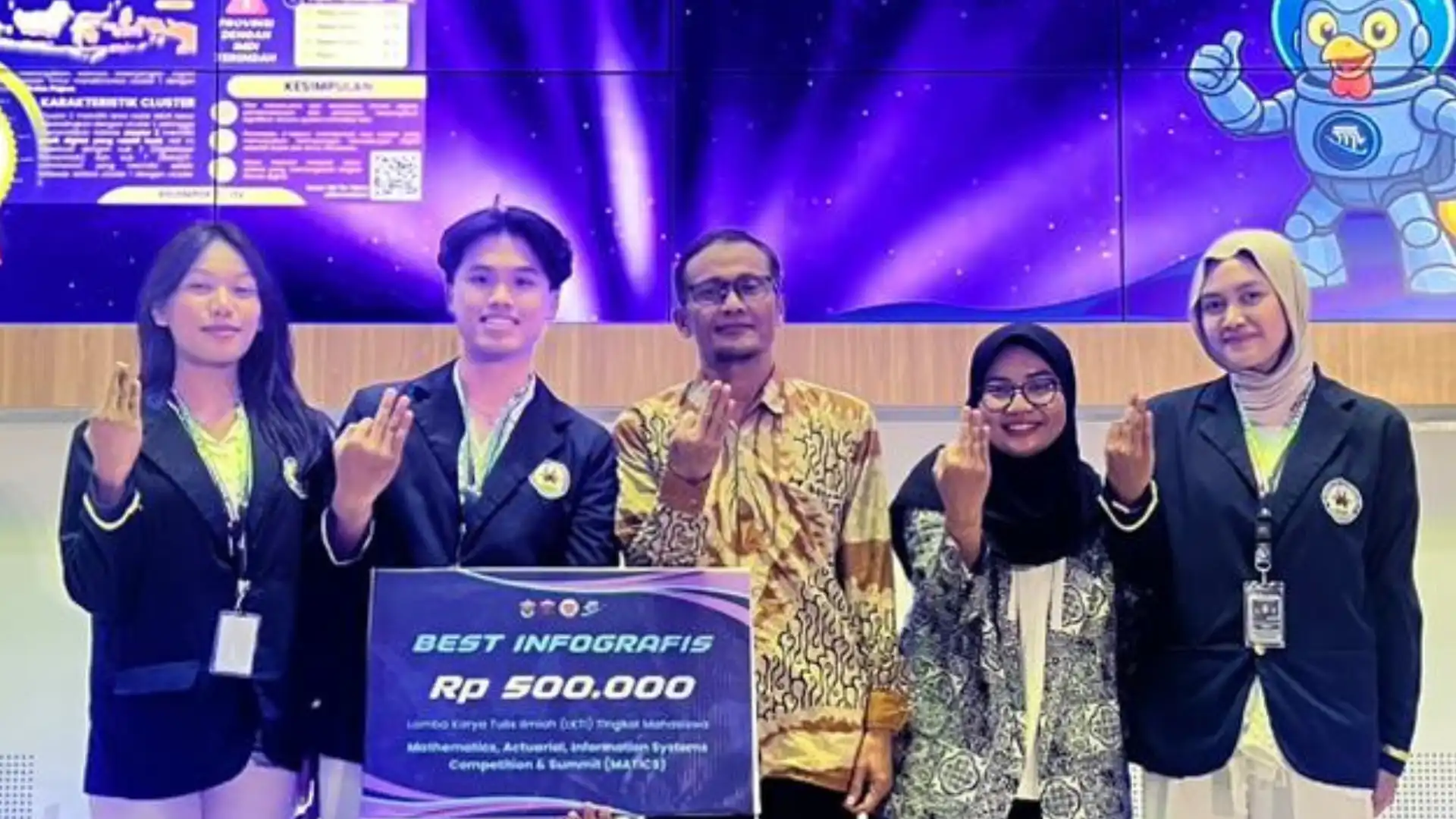
ITK Statistics Students Win Best Infographic Award at MATICS Universitas Hasanuddin
Best Infographic Award at MATICS Universitas Hasanuddin
 Alumni
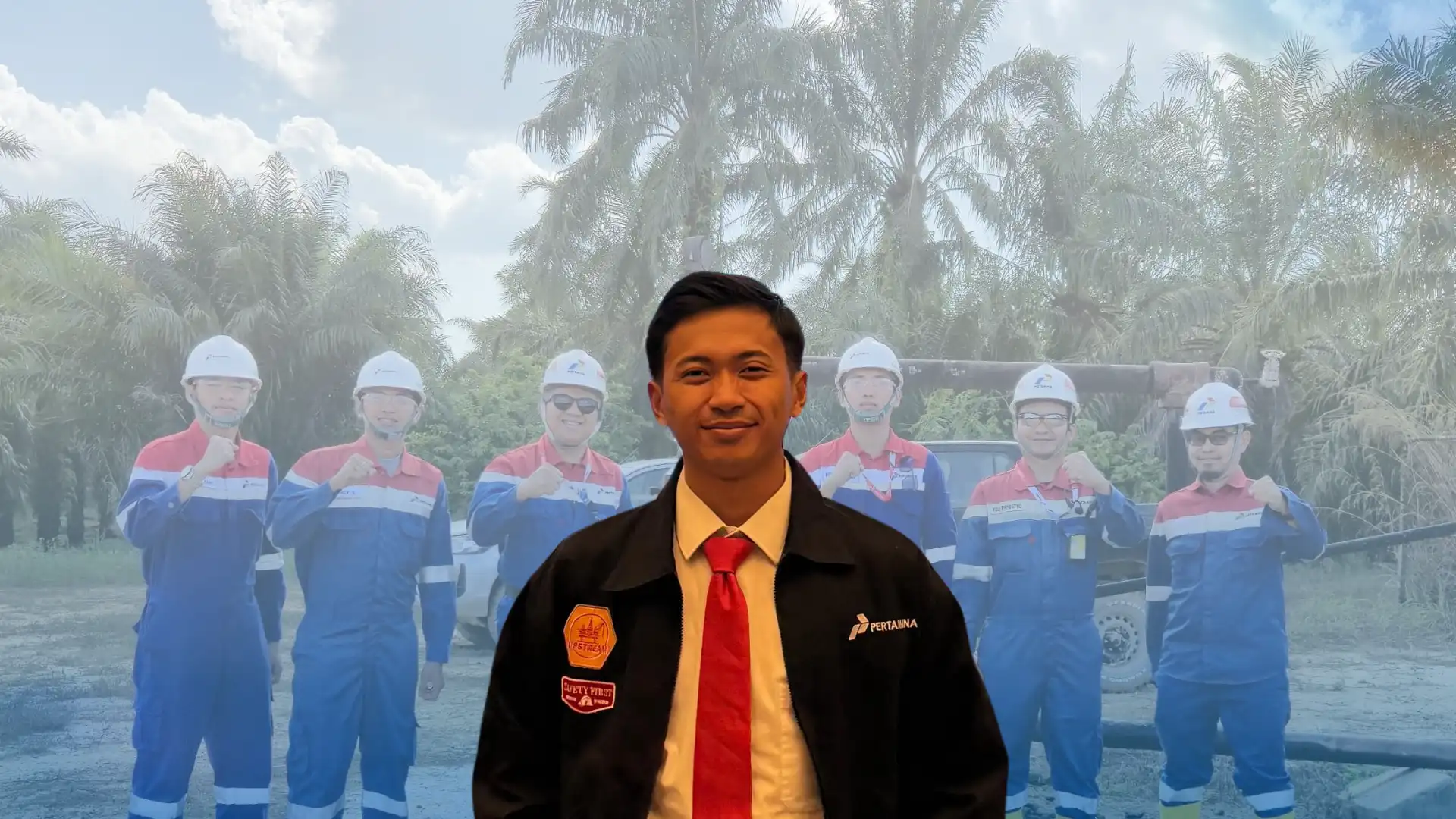
Dandy Saputra’s Career Journey to Becoming a Site Readiness Supervisor in Upstream Energy
 Research and Community Service
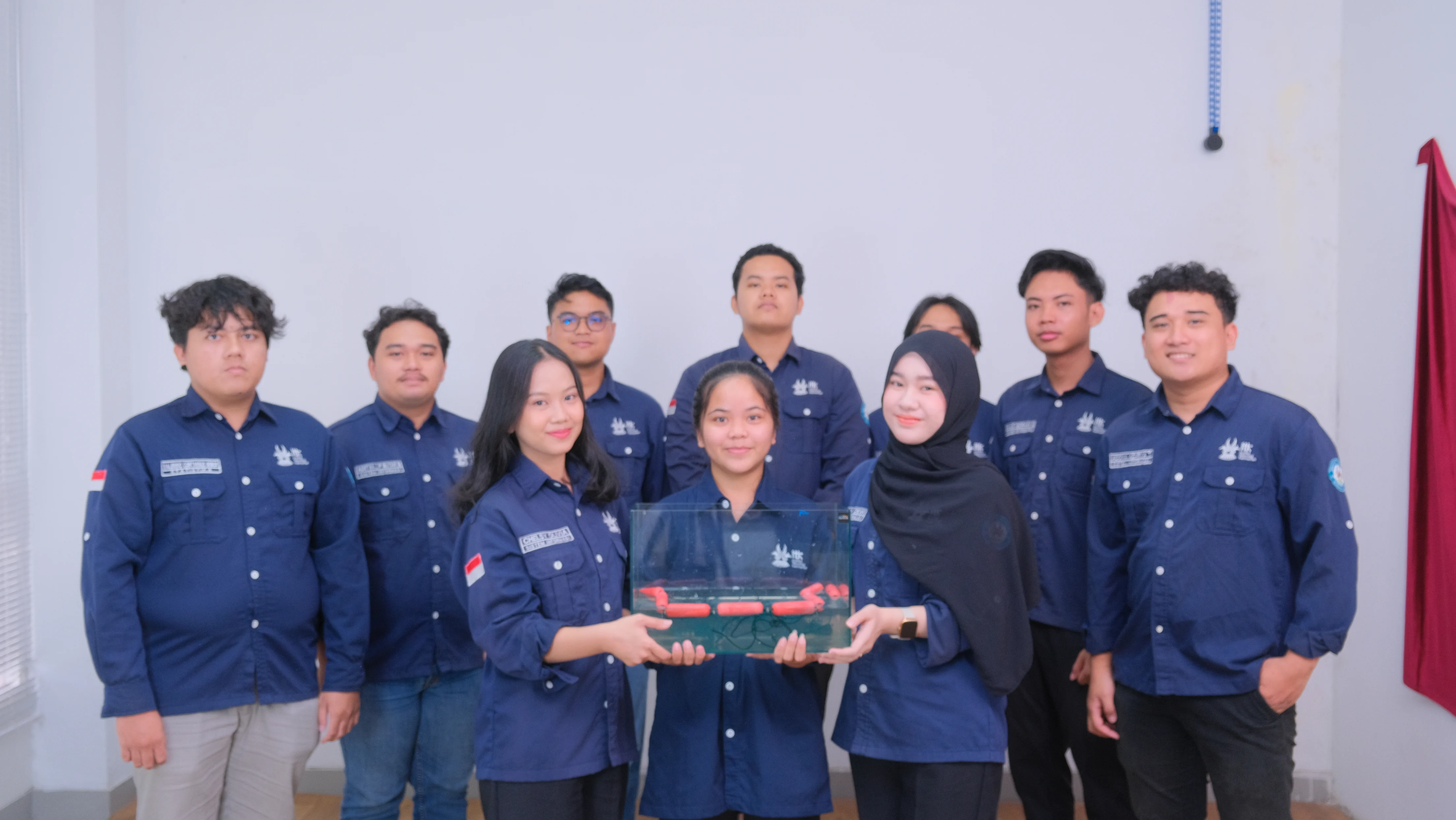
SPI Empowerment-Based Trash Boom: ITK’s Innovation for Sustainable Coastal Waste Management
The SPI empowerment-based Trash Boom program by Institut Teknologi Kalimantan delivers a simple and sustainable innovation to tackle coastal waste through appropriate technology and strengthened coastal community capacity.