Detail Berita
This Herbal Plant Isn’t Just for Tea — It Can Also Capture Solar Energy
.webp)
Isi Artikel
A Clean Energy Innovation from Unexpected Natural Ingredients
Have you ever imagined that moringa leaves, sappanwood, and chamomile flowers could be more than just ingredients for traditional herbal drinks — and actually have the hidden power to capture sunlight? That’s exactly what a research team led by Dr. Musyarofah, S.Pd., M.Si., and Dr. Eng. Lusi Ernawati, S.T., M.Sc. is exploring through an innovative approach called co-sensitization, a smart method that helps solar cells absorb more sunlight.
Clean Energy — But How Do We Make It Cheaper and Eco-Friendly?
In the face of a global climate crisis, renewable energy like solar power holds great promise. But there’s still a challenge: conventional solar cell technologies typically use expensive and less eco-friendly materials. That’s where this clever solution comes in — replacing synthetic dyes with natural pigments derived from local plants. They’re affordable, widely available, and of course, greener.
The Science Behind the Leaves and Flowers
In this research, the scientists created thin films from ZnO-TiO₂, a kind of "canvas" for capturing light. This canvas is then coated with extracts from:
- Moringa leaves (Moringa oleifera) – rich in chlorophyll
- Chamomile flowers (Matricaria chamomilla) – contain flavonoids
- Sappanwood (Biancaea sappan) – loaded with anthocyanins
Each plant contains natural pigments that absorb light at different wavelengths. But what makes this research truly special is the co-sensitization technique — combining two or even three types of dyes at once. The result? A dramatic improvement in light absorption, especially in the ultraviolet range!
Why Does This Matter?
Because the more light a solar cell can absorb, the more energy it can potentially convert into electricity. This is a significant step toward solar cells that are more efficient, cost-effective, and based on local natural resources. There’s no need for costly imported metal materials — just harness the potential of what’s growing around us.
A Brighter (and Greener) Future
This innovation is not only exciting from a scientific standpoint, but also deeply relevant to today’s pressing global issues: energy transition, technological independence, and environmental sustainability. Who would’ve thought that the solution to future energy challenges could come from our own backyard?
So next time you see a moringa leaf or a chamomile flower, remember — they’re not just good for your health, they might also be the clean energy heroes our planet needs.
Isi Artikel
Berita Terpopuler
Research and Community Service
Academic Programs


Tags
Institut Teknologi Kalimantan Research AchievementTags
Institut Teknologi Kalimantan Research AchievementBerita Terpopuler
Research and Community Service
Academic Programs
Berita Terbaru
 Achievement
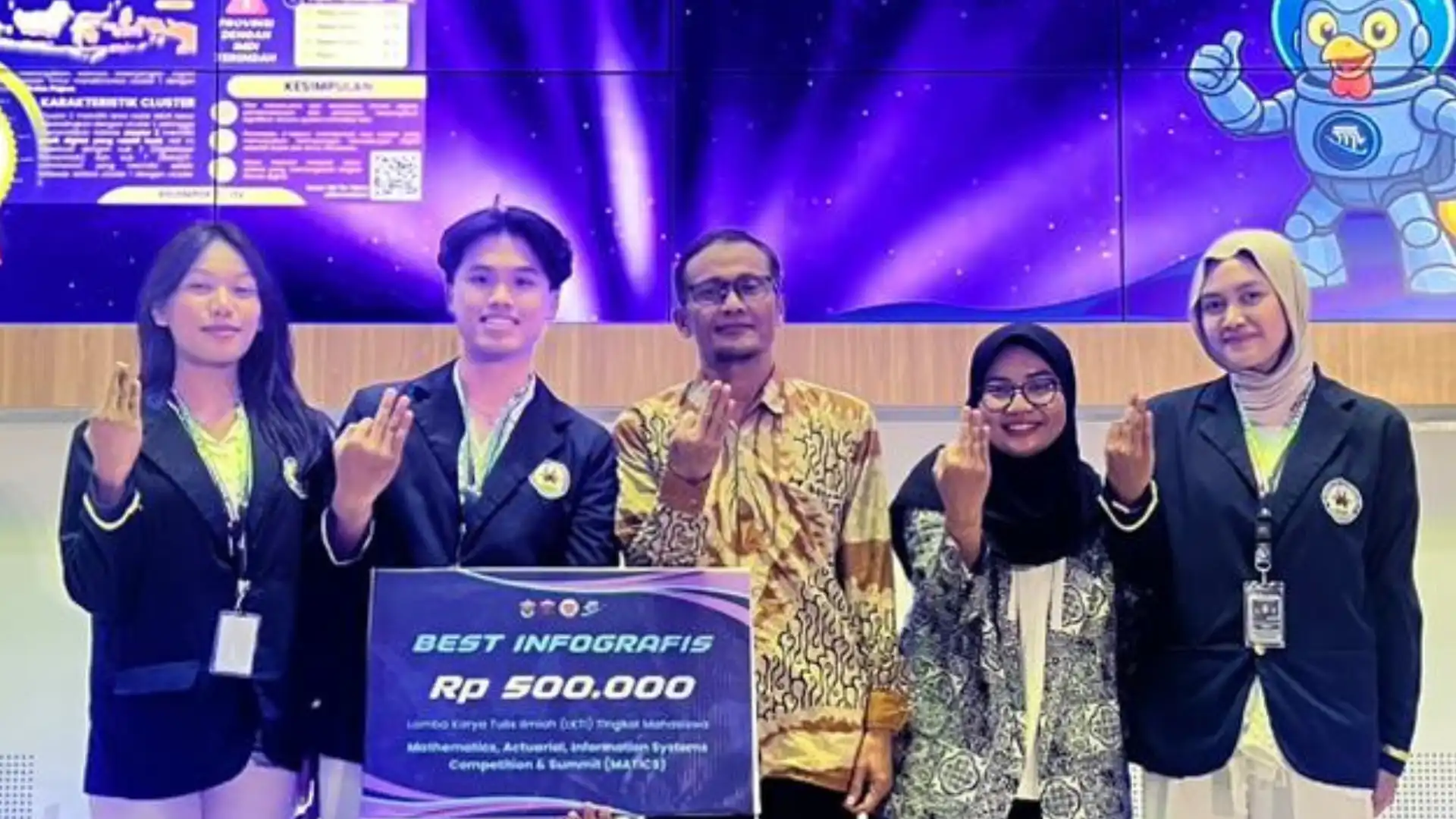
ITK Statistics Students Win Best Infographic Award at MATICS Universitas Hasanuddin
Best Infographic Award at MATICS Universitas Hasanuddin
 Alumni
Dandy Saputra’s Career Journey to Becoming a Site Readiness Supervisor in Upstream Energy
 Research and Community Service
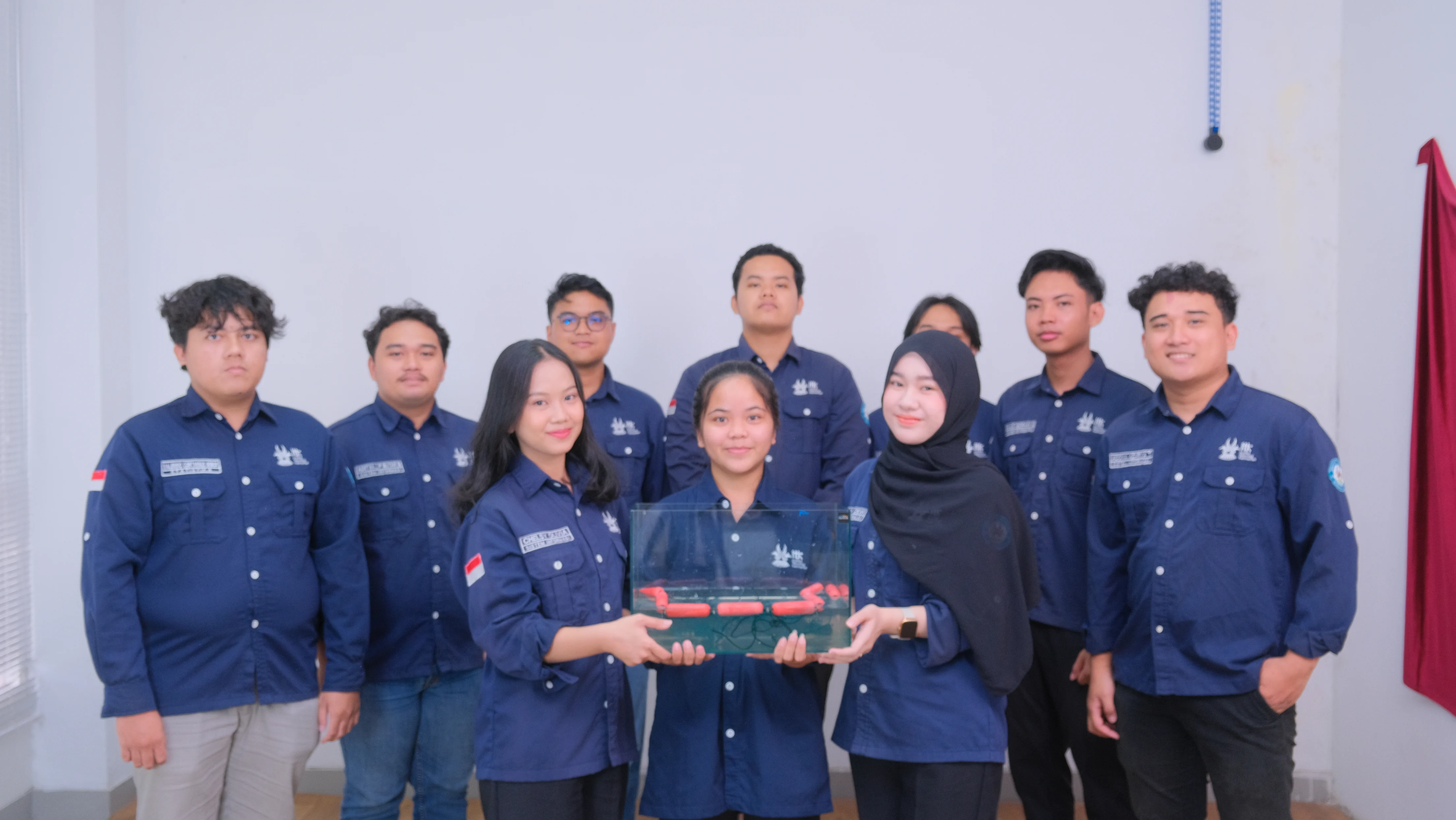
SPI Empowerment-Based Trash Boom: ITK’s Innovation for Sustainable Coastal Waste Management
The SPI empowerment-based Trash Boom program by Institut Teknologi Kalimantan delivers a simple and sustainable innovation to tackle coastal waste through appropriate technology and strengthened coastal community capacity.