Detail Berita
KOBRA: Smart Stove Innovation from Palm Oil Waste for Energy Efficiency

.webp)
.webp)
Isi Artikel
Did you know that palm oil waste, such as empty fruit bunches (EFB) and palm fronds (PF), can be transformed into an alternative fuel? Through the innovation of the Alternative Biobriquette-Based Stove, known as KOBRA, this research demonstrates that waste can ignite hope for the future of energy.
Every year, Indonesia produces millions of tons of palm oil waste. Instead of being utilized, most of it is left to rot. However, waste like EFB and PF contains high carbon content, making them highly potential for solid fuel. This is where biobriquettes come in as a solution to reduce waste and simultaneously provide a clean energy source for household kitchens.
KOBRA utilizes EFB and PF waste, which are compacted using natural adhesives from cassava skin. Without the addition of harmful chemicals, the process is simple, environmentally friendly, and of course, based on easily found local materials. The result? High-quality biobriquettes with a fixed carbon content of almost 90% and a calorific value of 6835 Cal/gr, which is high enough for daily cooking needs.
Not only that, another advantage lies in its durability. This briquette has a burning rate of 1.96 grams/minute, meaning the cooking process is more efficient and long-lasting. A compressive strength of up to 0.91 MPa also ensures the briquettes don't easily crumble during storage or use. The stove itself is made from 6061 aluminum, which is lightweight, heat-resistant, and capable of withstanding high temperatures above 300°C without producing harmful compounds.
What's more unique, KOBRA is equipped with a Thermoelectric Generator (TEG), a small module that converts heat into electricity. With a temperature difference of 100°C, this device can generate up to 1 Watt of power, enough to power a small fan. If used 4 hours a day, the energy saved can reach 437 kWh per year, equivalent to a reduction in carbon emissions of almost 172 kg of CO₂. Imagine if it were used on a massive scale.
From an economic perspective, KOBRA is also promising. The production cost is only around Rp350,000, but it can be sold for Rp450,000, enough to create a healthy business margin. Compared to LPG or electric stoves, KOBRA is much more economical because it uses fuel from virtually free waste and doesn't require an electricity connection.
And most importantly: all development and testing of this stove comply with national standards (SNI 1683:2021) and international standards such as ASTM. This means that KOBRA is not just a laboratory experiment, but a ready-to-use technology that can directly benefit the community.
KOBRA is proof that university research can address the nation's real challenges: waste and the energy crisis. This is not just a cooking appliance, but a small step towards a more sustainable future, and it all starts from a pile of palm oil waste.
Isi Artikel
Tags
Activity InovationTags
Activity InovationBerita Terbaru
 Achievement
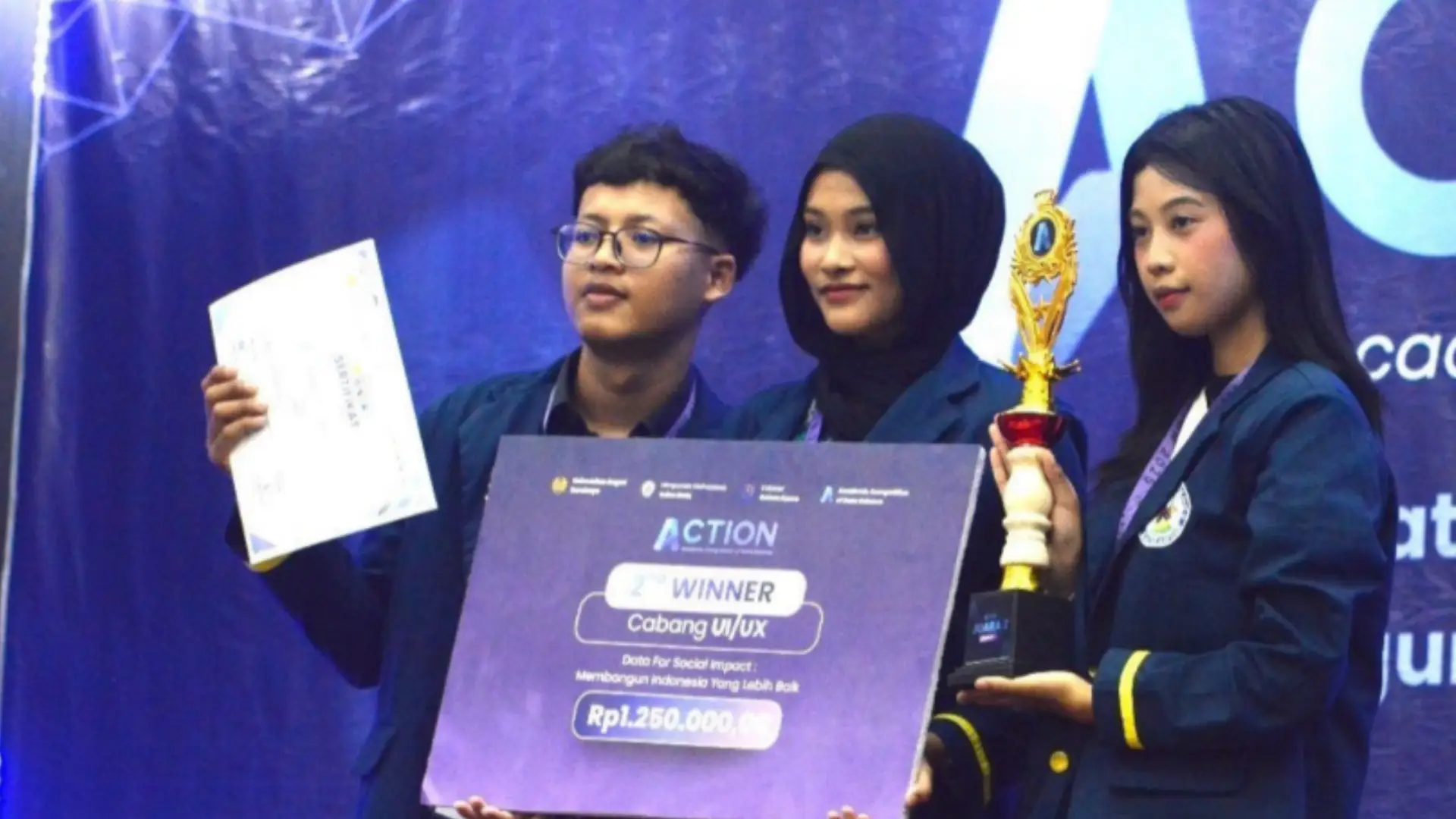
ITK Digital Business Students Win 2nd Place at National UI/UX Competition Held by HIMADASA UNESA
ITK Digital Business Students Win 2nd Place
 News
News
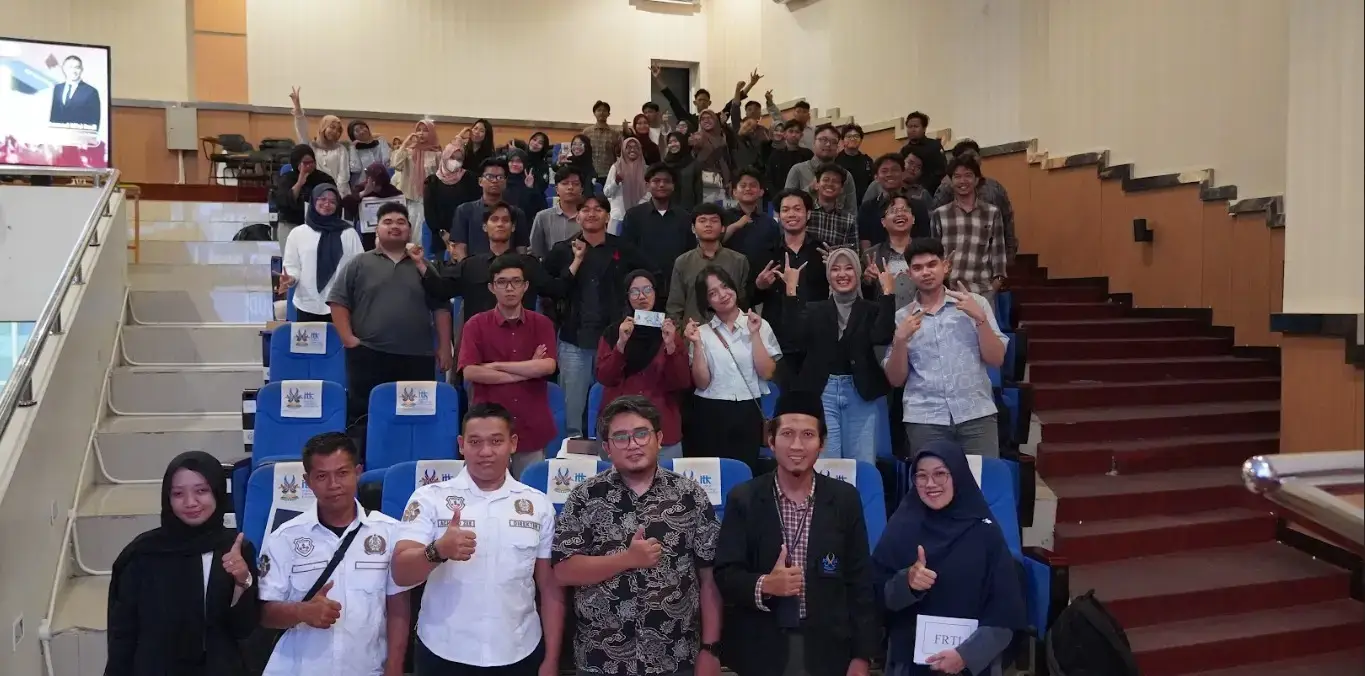
FRTI ITK Holds Graduation Briefing and Yudisium Ceremony
 Research and Community Service
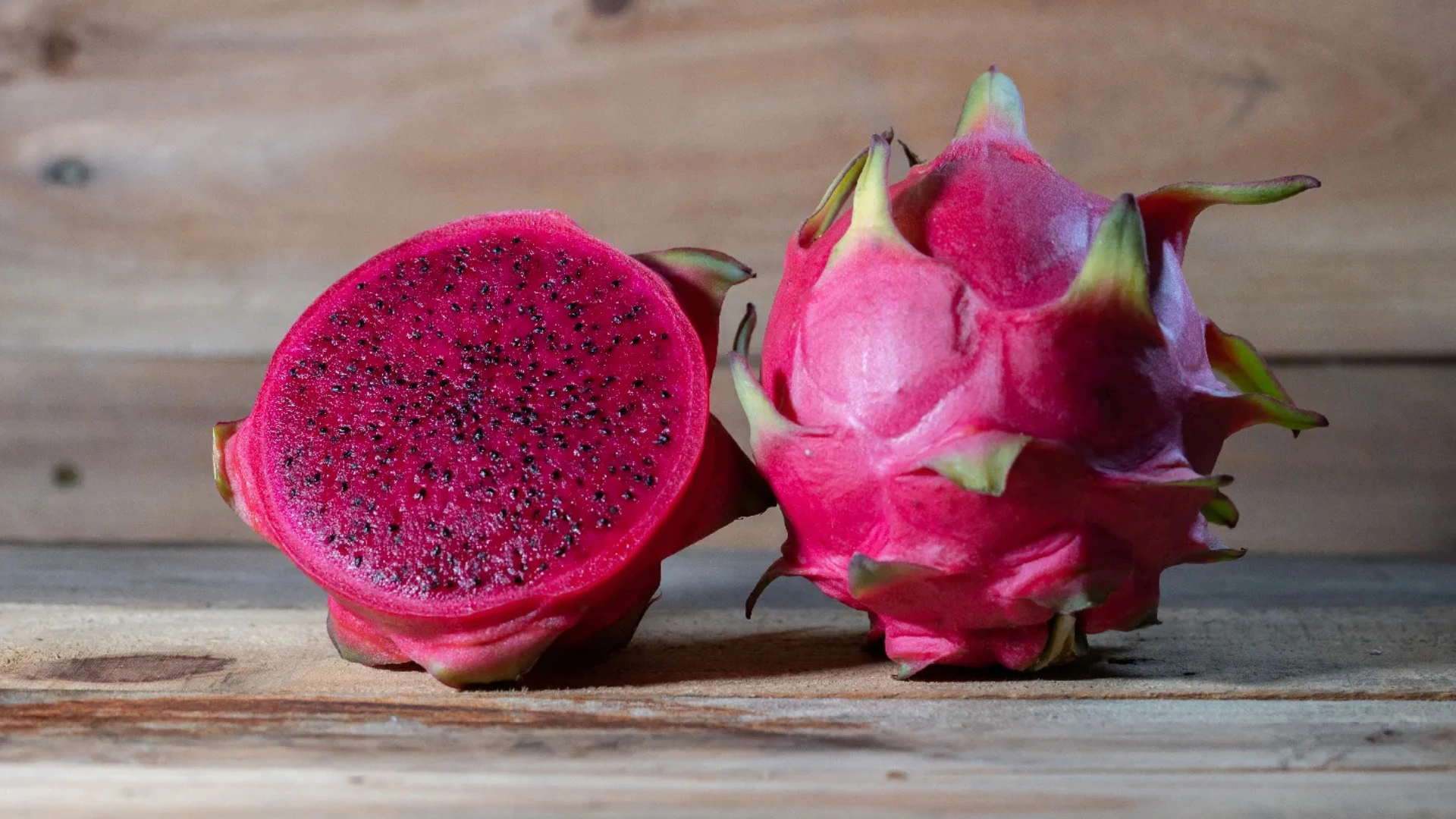
Natural Beauty from Nature: Dragon Fruit Lip Balm for Healthier Lips
An innovative dragon fruit extract-based lip balm offers a safe, healthy, and eco-friendly natural colorant for cosmetic use.