Detail Berita
Maintaining the Freshness of Oyster Mushrooms: The Strategic Role of Temperature and Postharvest Packaging
Isi Artikel
Oyster Mushrooms as a Highly Perishable Food Commodity
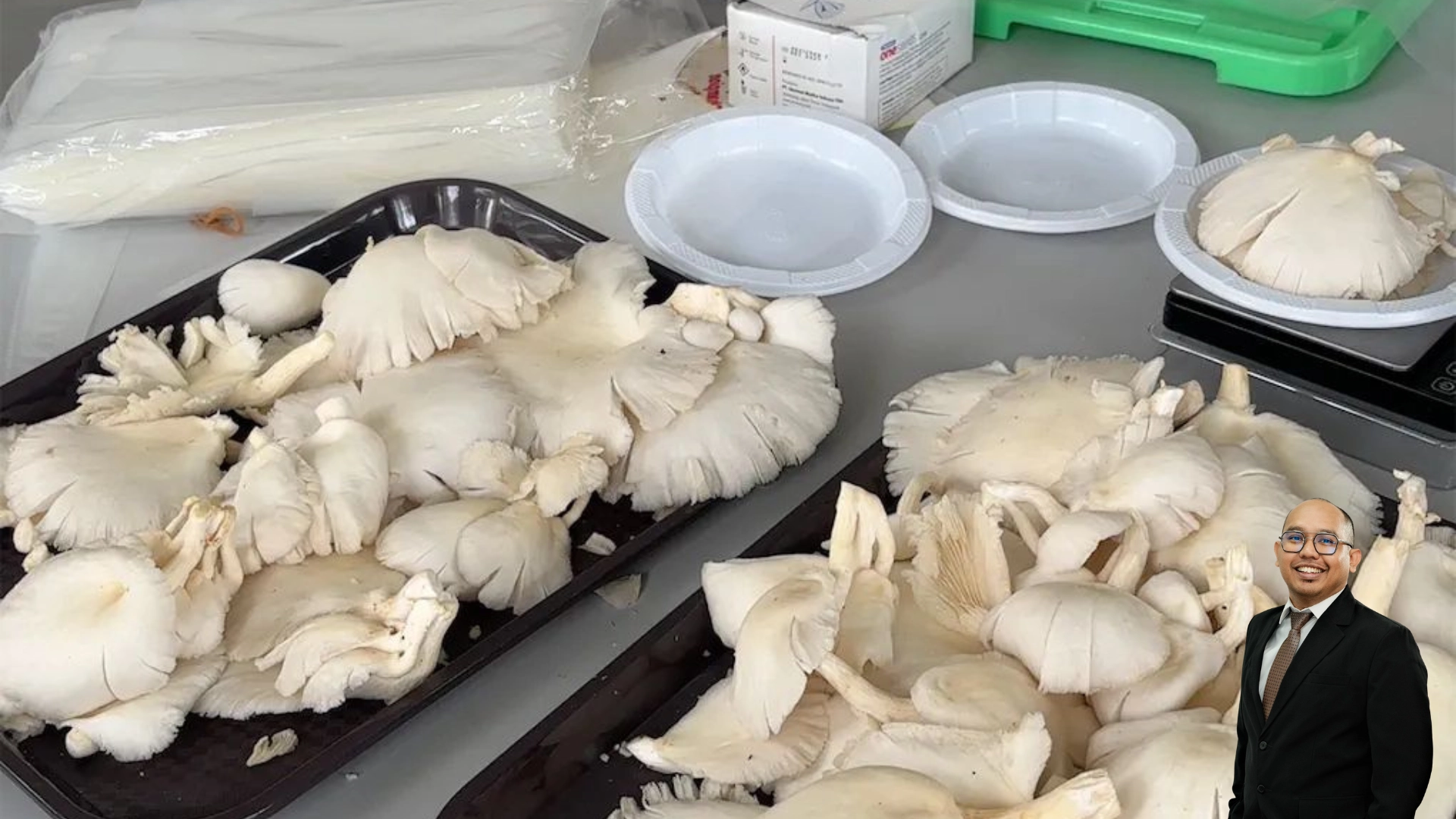
Oyster mushrooms are a popular food commodity due to their high nutritional value and ease of preparation. However, their biological characteristics make them highly perishable after harvest. Michael Alexander Hutabarat, through his study, revealed that without proper postharvest handling, the quality of oyster mushrooms can decline rapidly, potentially causing losses for farmers, traders, and consumers.
High Water Content and Rapid Respiration Rate
According to Michael Alexander Hutabarat, oyster mushrooms contain a very high level of moisture and have a fast respiration rate. These conditions make them prone to water loss, textural changes such as softening, and discoloration during storage. Improper storage practices, such as keeping mushrooms at room temperature without suitable packaging, are still common and accelerate quality deterioration before the product reaches consumers.
The Role of Temperature in Slowing Deterioration
In his research, Michael Alexander Hutabarat describes oyster mushrooms as fresh produce that continues to “breathe” even after being harvested. At room temperature, the respiration process occurs more rapidly, leading to faster spoilage. Cold storage is considered effective in slowing down this respiration process, allowing the mushrooms to retain their freshness longer and reducing the rate of deterioration.
Packaging as a Quality Protector for Oyster Mushrooms
In addition to temperature, packaging plays a crucial role in maintaining the quality of oyster mushrooms. Michael Alexander Hutabarat explains that packaging acts as a protective barrier that must balance moisture retention and air circulation. Overly sealed packaging can trap excessive moisture and accelerate spoilage, while unpackaged mushrooms tend to lose water quickly and dry out.
The Combination of Cold Storage and PP Packaging
Based on the study, the use of polypropylene (PP) plastic packaging is considered more effective because it allows for air exchange while minimizing moisture loss. The combination of PP packaging and cold storage has been proven to better preserve the texture, color, and aroma of oyster mushrooms throughout their shelf life.
A Practical Solution to Reduce Postharvest Losses
Through this study, Michael Alexander Hutabarat emphasizes that maintaining the quality of oyster mushrooms does not always require complex technology or high costs. Proper temperature management and appropriate packaging selection can serve as practical solutions to extend shelf life, maintain product quality, and reduce postharvest losses. These findings are expected to serve as a reference for businesses and the public in enhancing the value of oyster mushroom commodities.
Isi Artikel
Berita Terpopuler

Research and Community Service

Research and Community Service
Tags
Research InovationTags
Research InovationBerita Terpopuler
Research and Community Service
Research and Community Service
Berita Terbaru
 Announcement
ITSF Opens 2026 Research Grant and Science & Technology Award Programs
ITK Lecturers Invited to Join the 33rd ITSF Program 2026
 Diktisaintek Berdampak
ITK Students Promote Plastic Waste Management through EcoBrick Innovation at Miftakhul Huda Mosque
ITK Students Introduce EcoBrick Innovation to Manage Plastic Waste in Balikpapan
 Research and Community Service
Urban Parks: A Natural Remedy for Stress Among Balikpapan Residents
This study highlights the potential of urban parks as restorative environments that help alleviate stress caused by urban living.